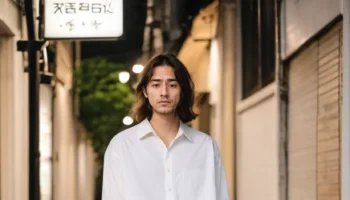
Japanese Femboy Fashion: Harajuku, Visual Kei & Soft Aesthetics
Japanese femboy fashion has quietly become one of the most influential style movements to emerge from Tokyo’s street culture, blending the playful experimentation of Harajuku with the dramatic flair of visual kei and the tender palette of soft aesthetics. Far from a passing trend, it’s a carefully constructed visual language that challenges rigid ideas about masculinity while celebrating craftsmanship, silhouette, and self-expression. Whether it manifests as a pleated skirt layered over tailored trousers, a sailor-collar blouse paired with oversized cardigans, or pastel separates styled with precision, the look rewards those who study its history and details. In this guide, we’ll unpack where the style comes from, what to wear, which subcultures shape it today, and where to source the real pieces that make the aesthetic sing.
Japanese Femboy Fashion: A Cultural and Style Overview
To understand japanese femboy fashion, you have to understand that Japan has long had a more fluid relationship with gender-coded dress than many Western cultures. From the onnagata performers of kabuki theatre to the bishōnen (beautiful boy) archetype celebrated in manga and J-pop, softness and delicacy in men’s appearance have been aesthetically valued for centuries. Modern femboy style draws from this lineage, but it also layers in post-war youth rebellion, the decorative excess of Lolita fashion, the gothic theatricality of visual kei, and the global pastel softboy movement that spread through social media in the 2010s.
What makes the japanese feminine boy style distinct from other femme-presenting looks is its commitment to silhouette and finishing. Rather than simply borrowing women’s garments, practitioners curate pieces that play with proportion: cropped blouses over high-waisted pleats, oversized knits balanced with slim tights, or school-uniform references reworked with grown-up tailoring. Color plays a central role, with blush pinks, dusty lavenders, creams, soft navy, and pale mint recurring across the genre. Fabric matters too — chiffon, fine cotton, wool blends, and structured cotton twill replace the stiff polyester that dominates fast fashion.
Attitude is the final ingredient. The wearer isn’t performing femininity as caricature; they’re constructing a gentle, romantic version of themselves that feels considered and calm. That quiet confidence is what separates authentic japanese femboy fashion from costume. It’s a daily practice of dressing with intention, where every pleat, ribbon, and collar has been chosen because it feels right — not because it shocks.
Gallery: Japanese Femboy Fashion Looks That Define the Genre
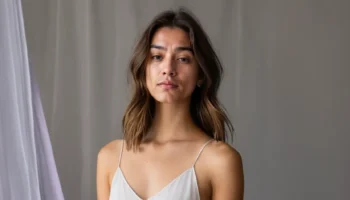
Nothing communicates the feeling of this aesthetic better than seeing it worn in full. The looks below capture the sweet spot where schoolboy nostalgia, Harajuku edge, and studio-perfect styling meet. Notice the layered pastel schoolboy-inspired outfit, anchored by a pleated cream skirt that falls just above the knee and paired with a fitted sailor-collar blouse in crisp white and deep navy. The sailor collar is a recurring motif in japanese femboy fashion because it references the seifuku (Japanese school uniform) while softening the shoulders and drawing the eye upward to the face. Against the neon noir studio backdrop with holographic accents, the cream and navy palette reads both innocent and cinematic — a reminder that softness can still feel futuristic.
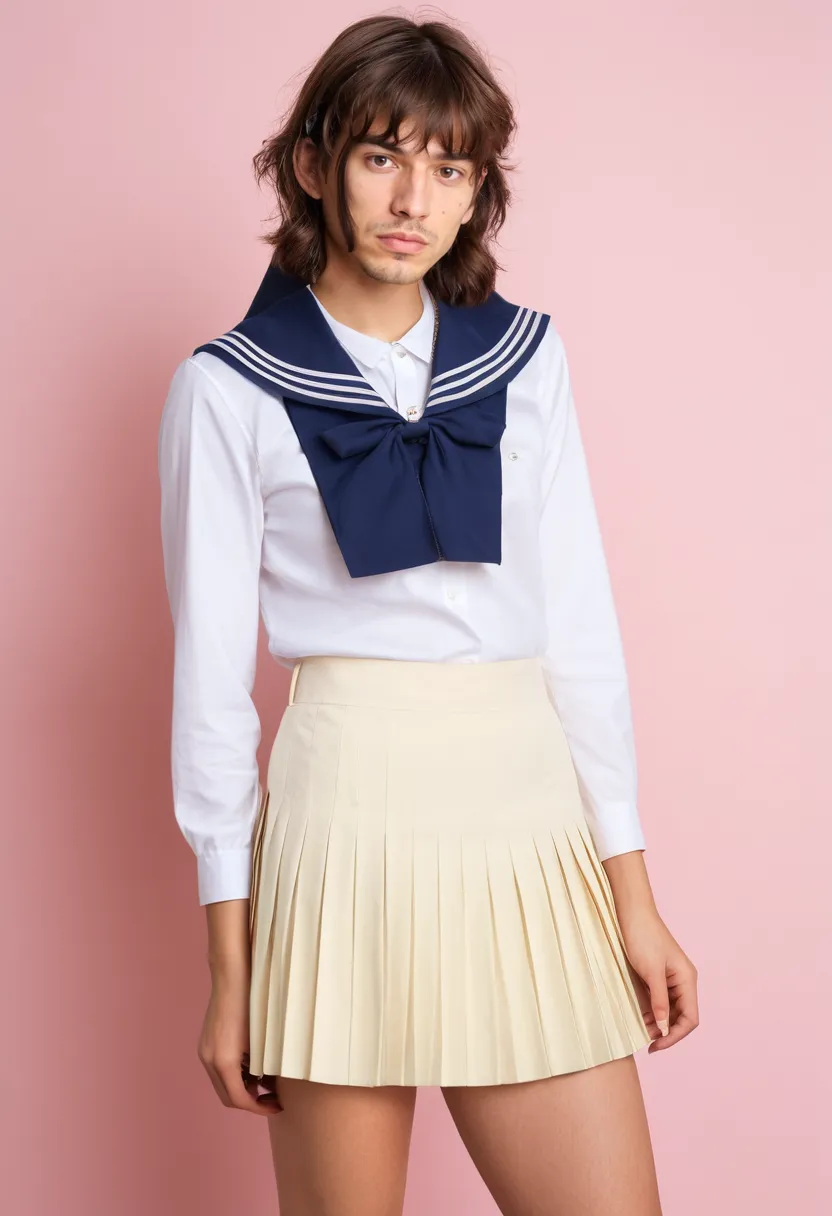
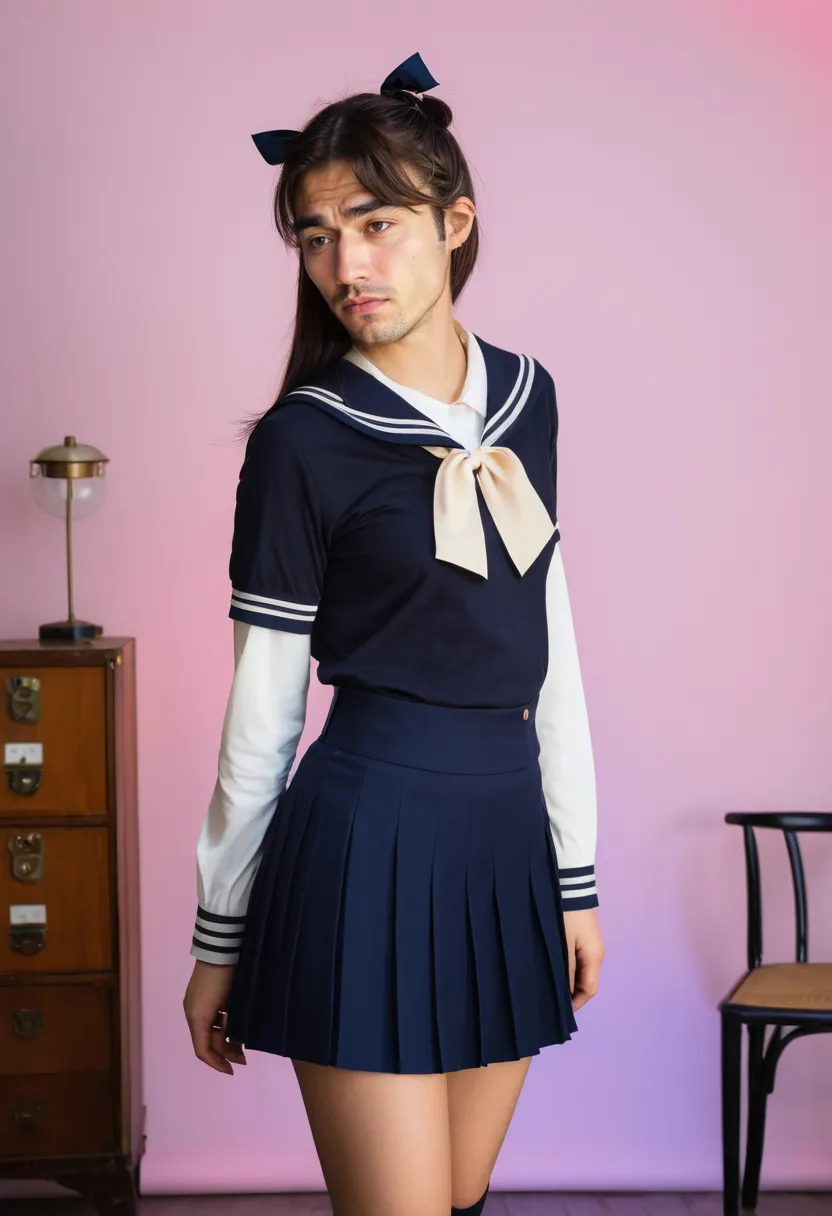
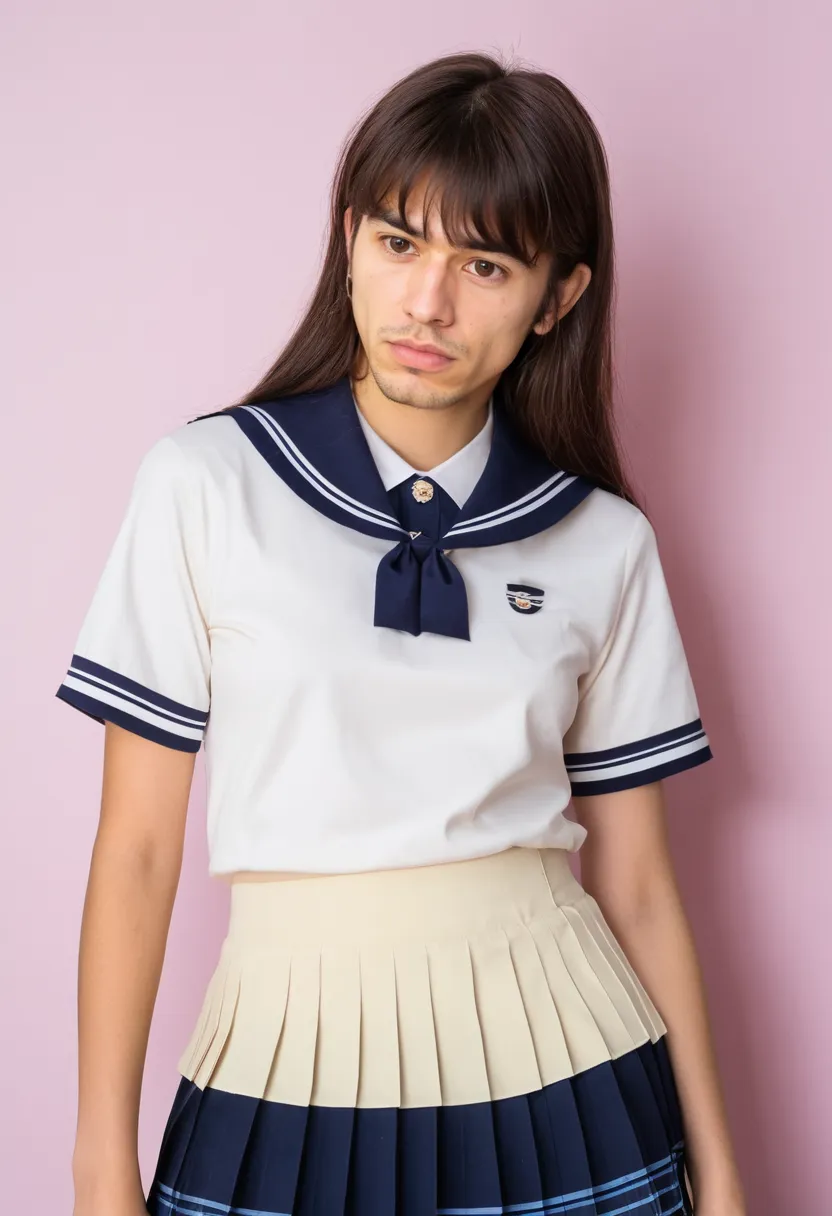
Styling details in looks like these reward close inspection. The pleats on the skirt are typically knife-pleated or box-pleated, stitched down at the hip for a flatter front that flatters a straighter frame. The blouse is tucked cleanly, and sleeves are often cuffed at a precise length to expose slim wrists — another way the silhouette is feminized without resorting to body-modifying shapewear. Hair, makeup, and accessories stay tonal, letting the garments do the talking. This is styling as quiet theatre, and it’s the foundation every femboy wardrobe should build on.
Key Garments in Japanese Feminine Man Style: What to Know and Own
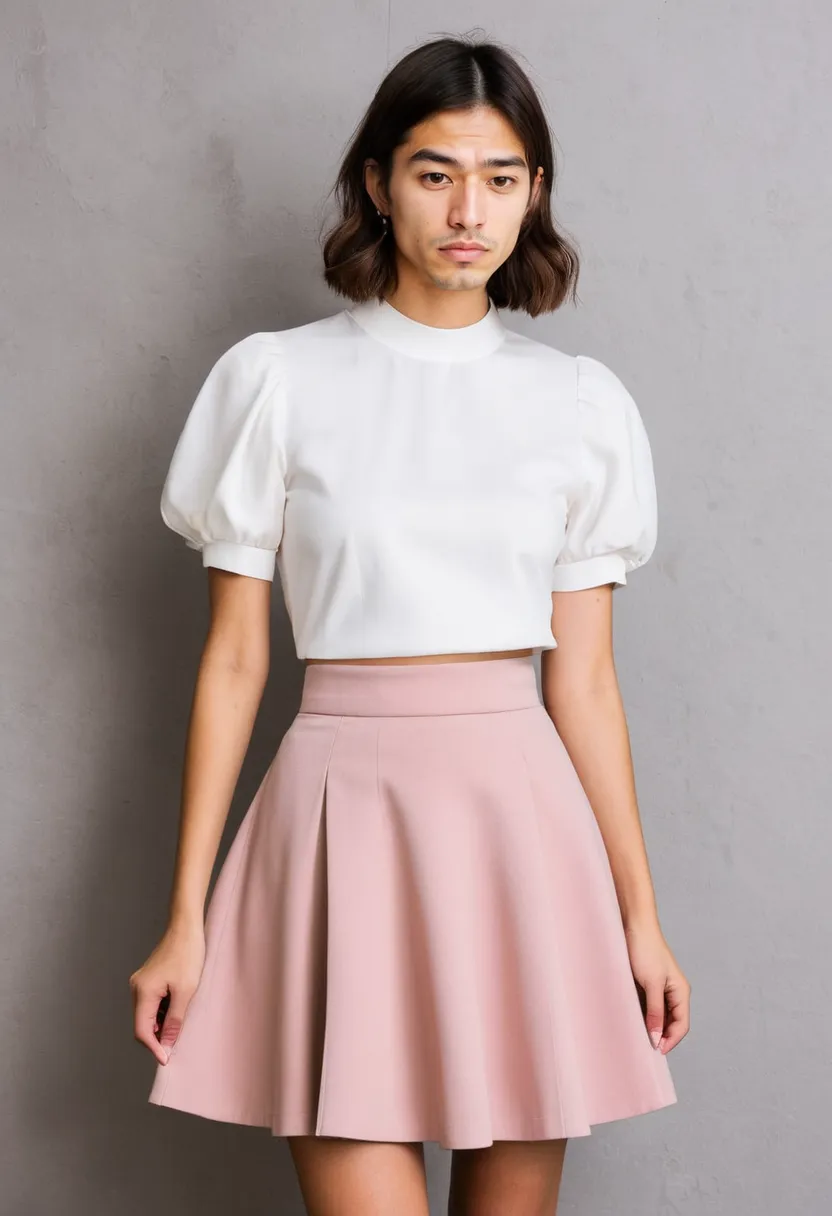
Building a functional japanese feminine boy style wardrobe starts with understanding the core garments that appear again and again across the scene. The flared skirt is the non-negotiable first purchase. Look for A-line, pleated, or circle cuts in soft pink, cream, black, or plaid — the exact shade and fit matter more than the price. A flared skirt in soft pink, paired with a fitted blouse featuring a large structured collar, is practically the uniform of the modern femboy look, and for good reason: the skirt’s movement offsets the tailored top to create a silhouette that reads balanced and intentional rather than random.
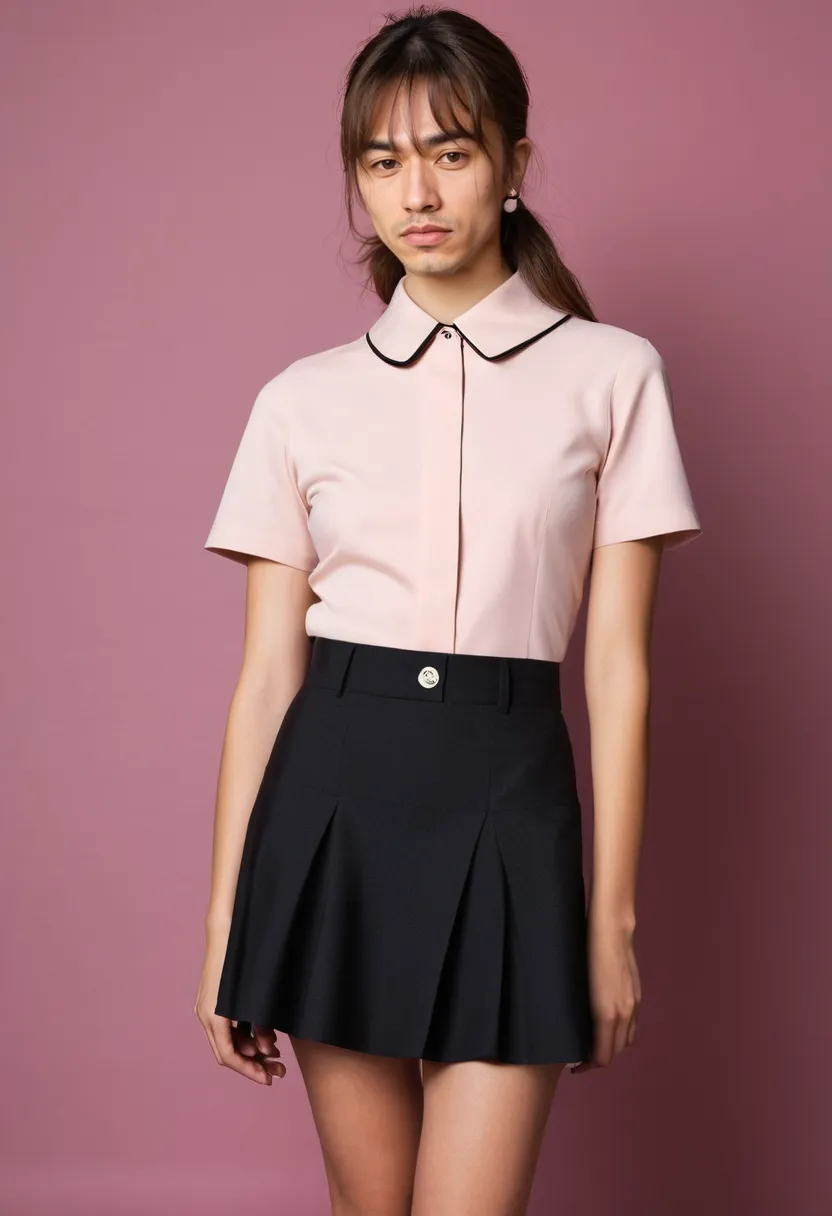
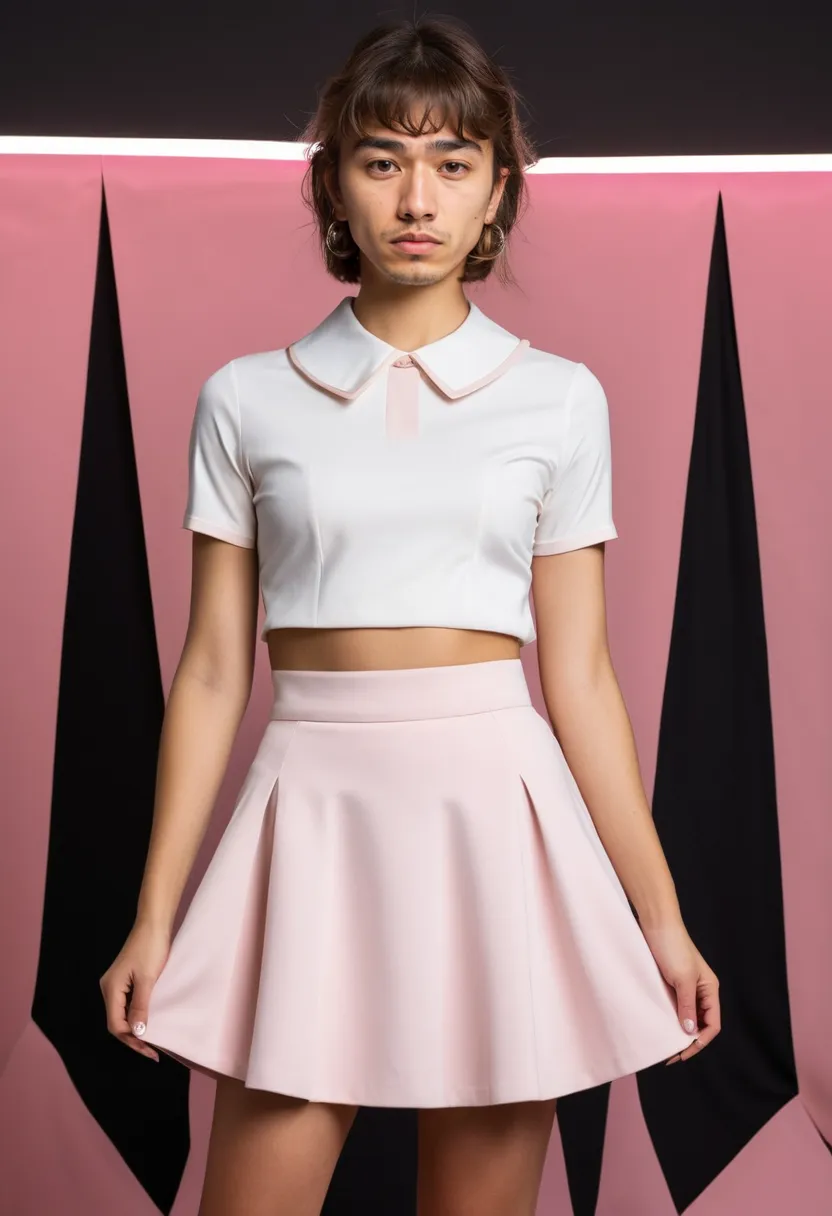
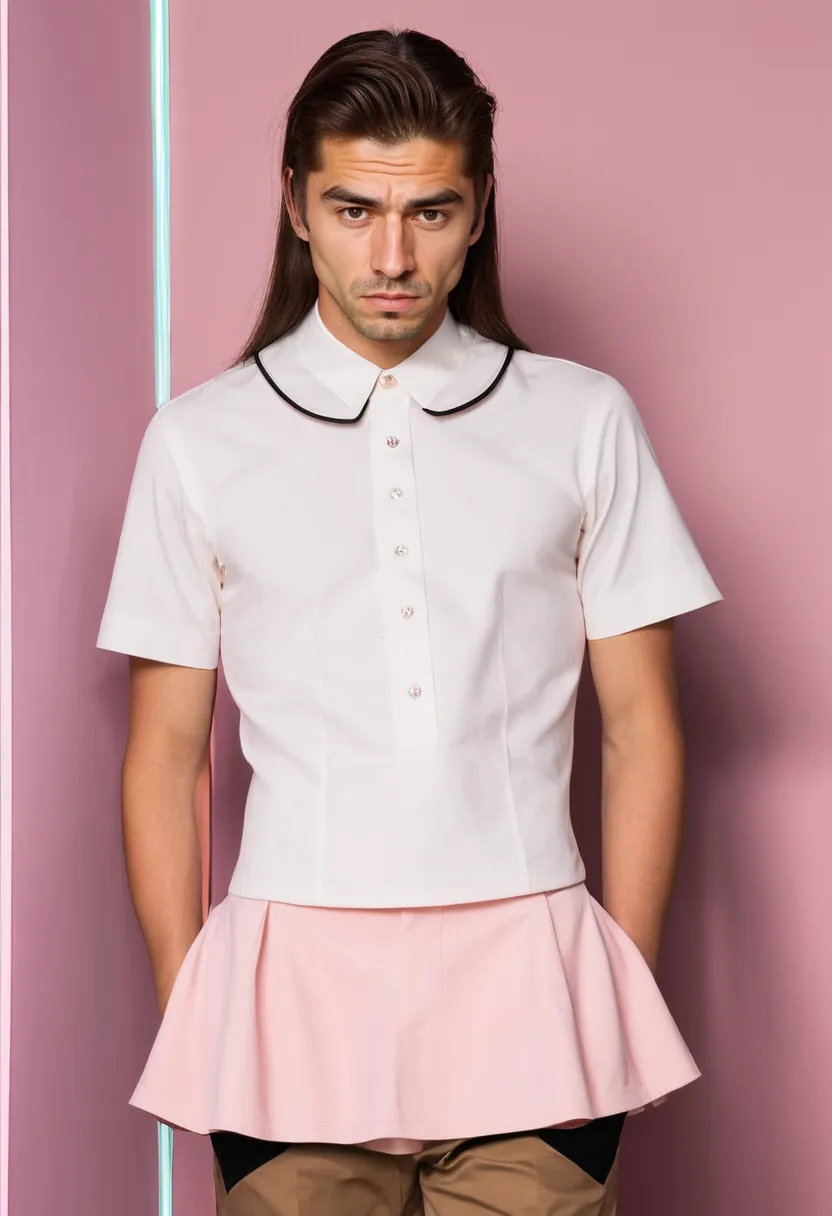
Beyond the skirt, the blouse is where craftsmanship shows. Structured collars — whether Peter Pan, sailor, or oversized pointed — frame the face and define the upper body. Aim for fine cotton, lightweight twill, or crisp poplin. Avoid polyester that wrinkles into limp folds; the whole aesthetic depends on clean lines and precise construction. Puff sleeves, bishop sleeves, and subtly gathered shoulders add volume without fuss.
A well-fitted cardigan is the third pillar. Cropped, waist-length, or oversized in mohair or merino blends, cardigans in pastel or neutral tones soften a strict skirt-and-blouse combination and carry the look into cooler seasons. Tights — black opaque, white ribbed, or sheer with small patterns — finish the legs and let you control the level of skin on display.
Finally, accessories: thin belts, satin ribbons, delicate chain necklaces, stud earrings, and Mary Jane shoes or loafers. The temptation to over-accessorize is real, but restraint is what separates a polished look from a costume. Two well-chosen pieces almost always beat five.
How Harajuku Subcultures Influence Femboy Looks Today
Harajuku is less a neighborhood than an idea — a permission slip to dress however your imagination allows. Walk down Takeshita Street on any weekend and you’ll see every decade of Japanese youth style coexisting, and modern harajuku femboy looks borrow freely from all of them. From Lolita comes the attention to layering, petticoats, and lace. From visual kei comes the dramatic eye makeup, the willingness to use black and silver, and the rock-star confidence. From fairy kei comes the pastel obsession and the toy-box accessories. From decora comes the maximalist impulse, though most contemporary femboys pull back from full-on decora density.
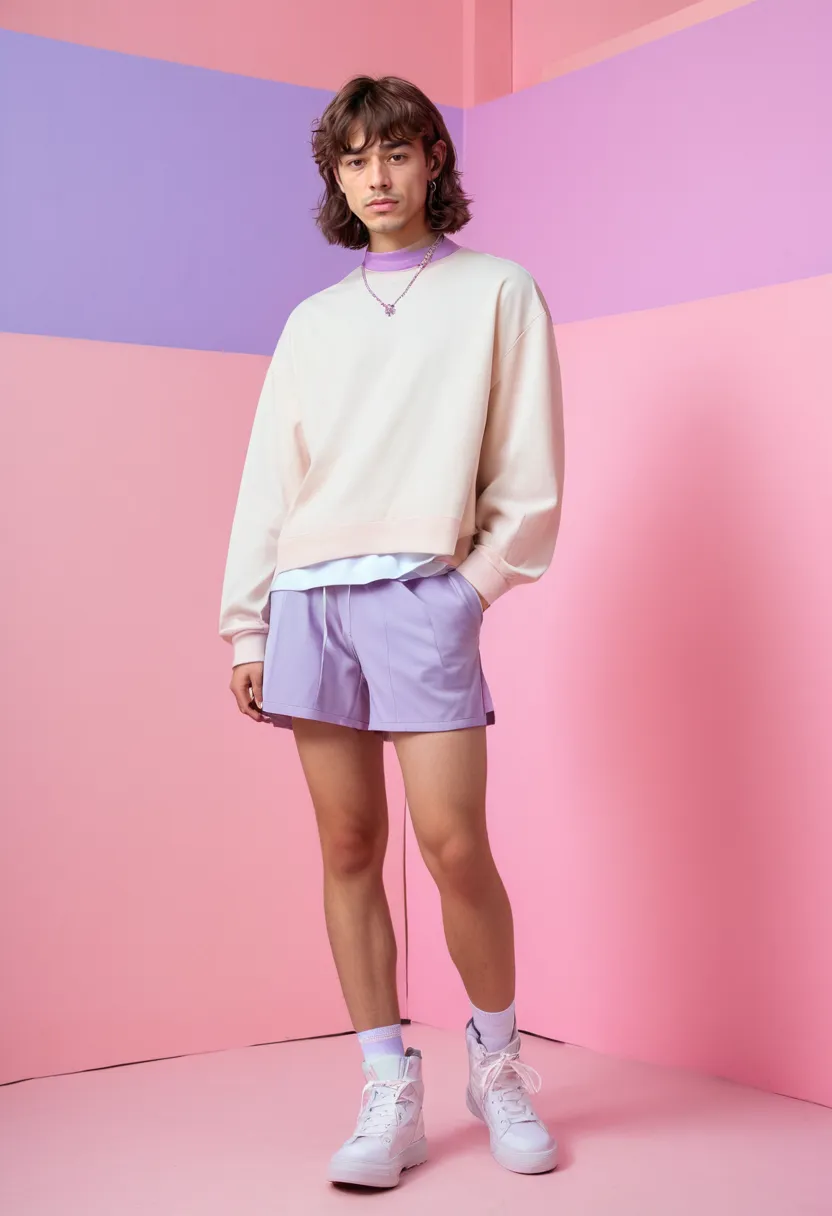
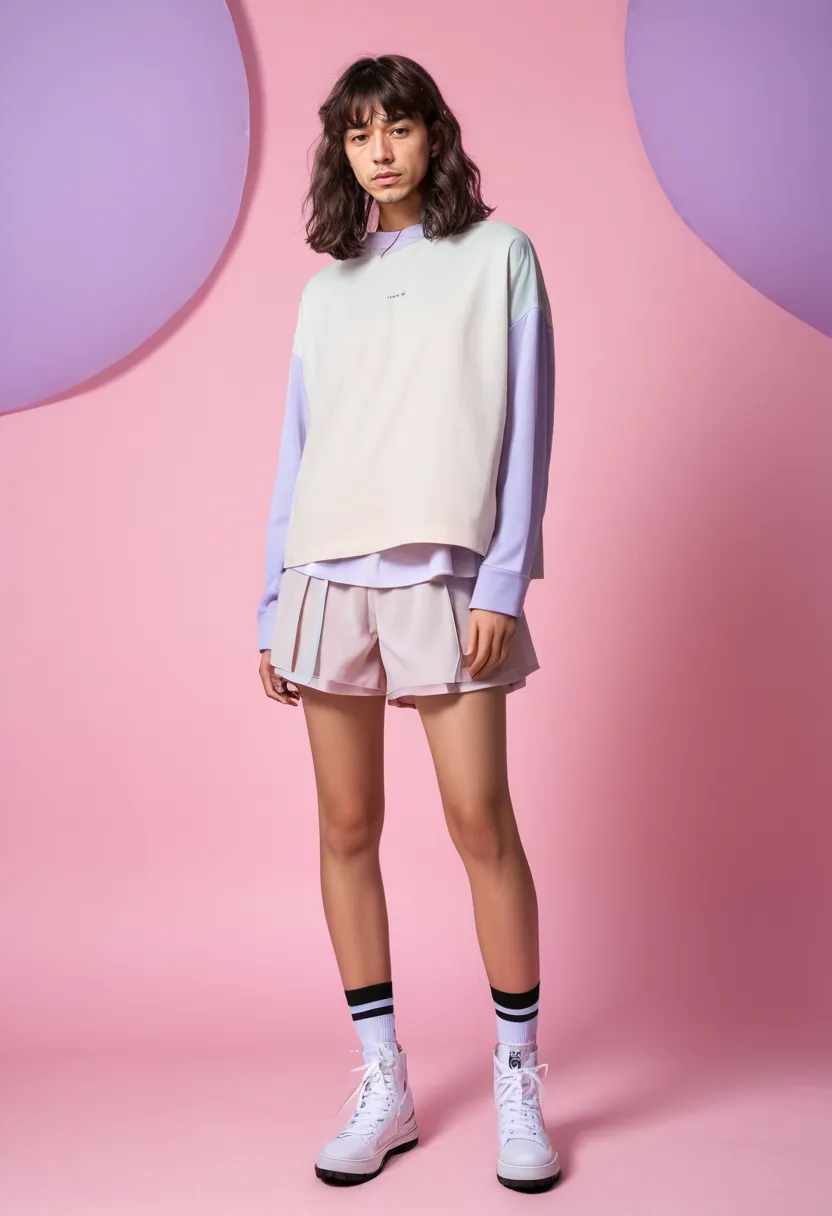
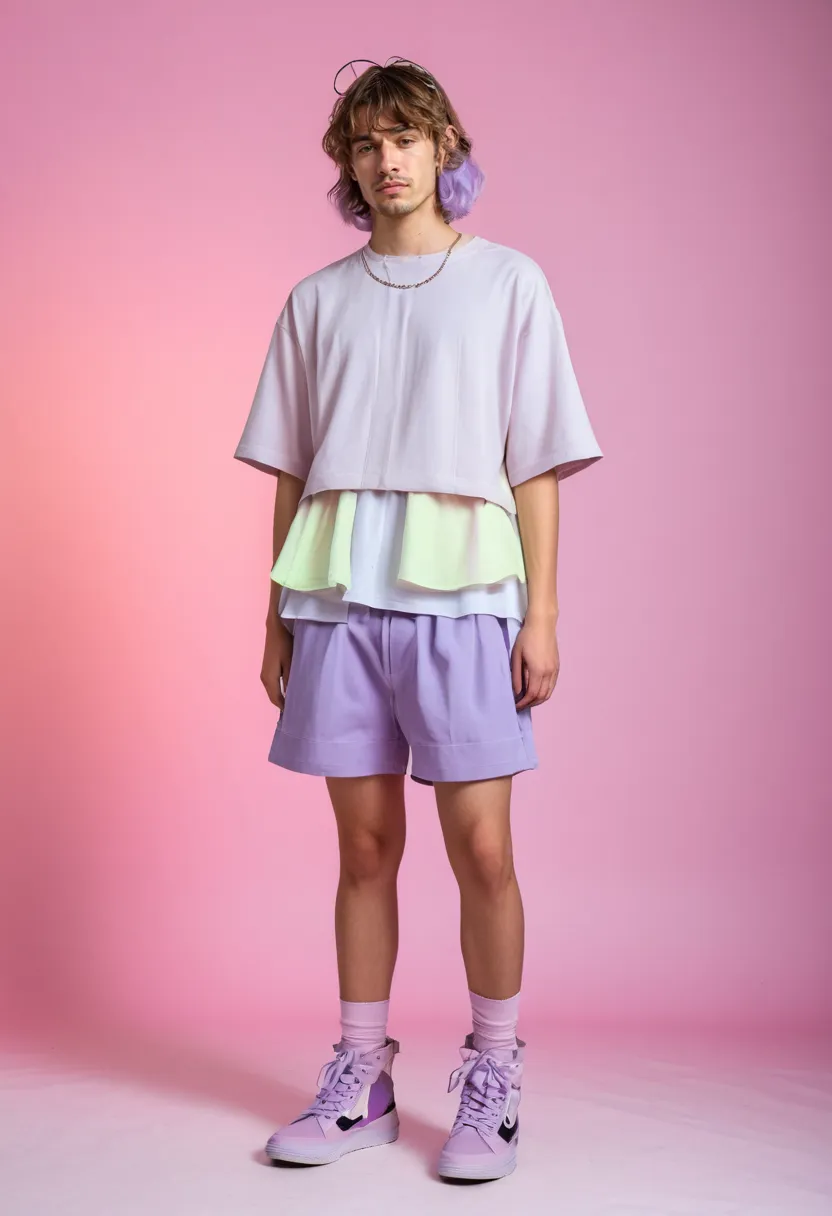
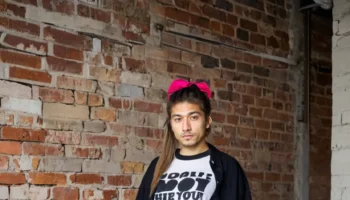
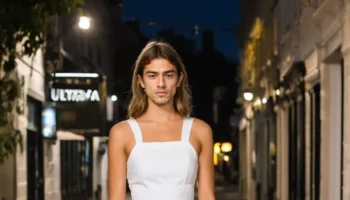
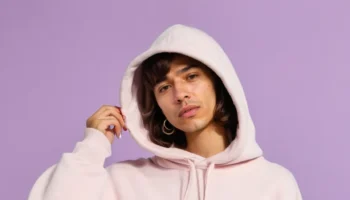
Look at a well-constructed Harajuku-influenced outfit and you’ll see the influence play out in fabric and scale. Layered pastel separates with oversized silhouettes — think a chiffon blouse under an oversized cotton pullover, or a longline cardigan over a pleated skirt — create a cloud-like effect that photographs beautifully and moves with the body. Blush and lavender tones dominate this softer strain of the aesthetic, chosen because they flatter most skin tones and because they feel emotionally gentle in a way saturated colors don’t.
The visual kei influence sneaks in through details: a leather harness worn over a lace blouse, platform boots paired with a tulle skirt, or smoky eyeliner against a pastel palette. This tension — sweet fabric with sharp styling — is what keeps the japanese androgynous fashion boys scene feeling fresh rather than precious. It reminds the viewer that softness isn’t weakness; it’s a deliberate choice made by someone who could dress any way they wanted.
For newcomers, the best way to absorb Harajuku’s lessons is to follow Tokyo street-style photographers on Instagram, watch how outfits are layered through the seasons, and notice which elements are exaggerated versus restrained in each look.
Where to Buy Authentic Japanese Feminine Fashion Online
Sourcing real Japanese-made pieces transforms the look. Fast-fashion approximations rarely nail the construction, the fabric hand, or the precise proportions that make the aesthetic work. The good news: the internet has made authentic japanese femboy fashion more accessible than ever, even for shoppers outside Japan.
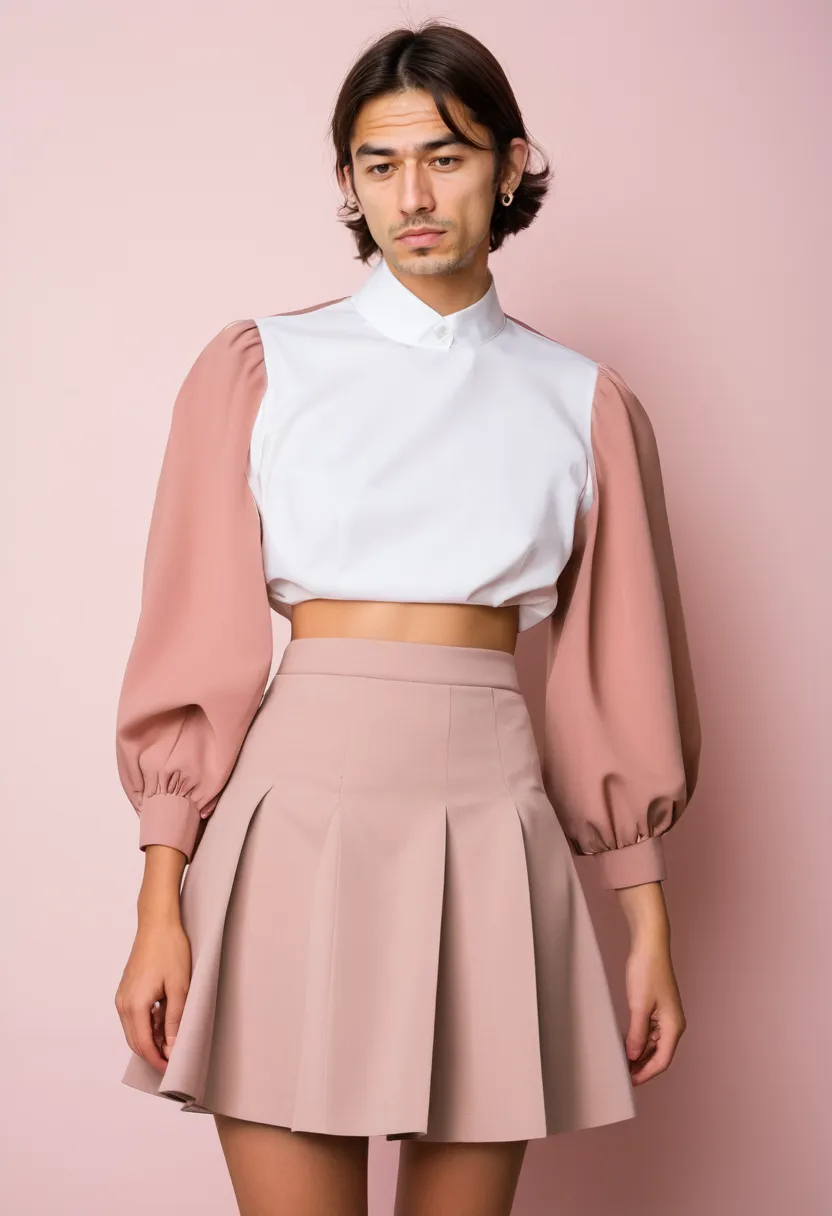
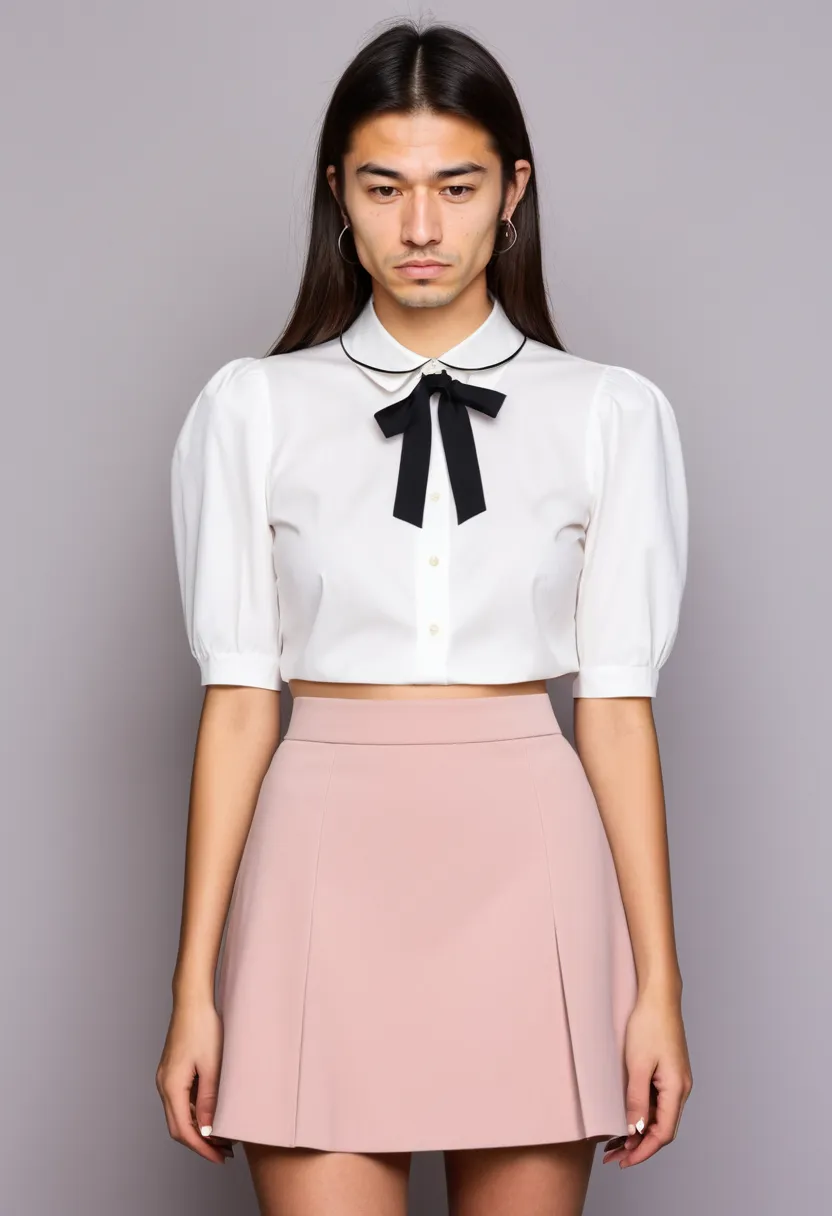
Rakuten Global Market and Rakuten Fashion remain the biggest gateways to Japanese domestic brands, with English-language checkout and international shipping on most listings. Search for brands like Axes Femme, Liz Lisa, Ank Rouge, and Honey Cinnamon for sweet silhouettes that translate perfectly to femboy styling. For a slightly edgier, more Harajuku-leaning wardrobe, look at Milklim, Listen Flavor, and Ehca Sora. The key details to verify are fabric content, garment length measurements, and construction photos — a structured A-line skirt in dusty pink with precise clean seam lines will look radically different from a cheap imitation made in thin polyester.
Secondhand is a secret weapon. Mercari Japan, 2nd Street, and Closet Child specialize in gently-used Lolita, visual kei, and Harajuku pieces at a fraction of retail. Forwarding services like Buyee, ZenMarket, and FromJapan let non-Japanese residents bid on listings and have packages consolidated and shipped internationally. For visual kei and gothic-leaning pieces, Closet Child is legendary, while Wunderwelt focuses on Lolita and fairy-kei crossover items that work beautifully in femboy wardrobes.
If you want to invest in a single hero garment, start with a blouse. A well-made blouse with puffed sleeves or a structured collar, in crisp white cotton, will anchor dozens of outfits for years. From there, add one skirt, one cardigan, and one pair of shoes, then let the wardrobe grow slowly. The japanese soft boy outfits that look effortless on social media are almost never the product of a single shopping spree — they’re the result of patient, deliberate curation.
Finally, a word on fit. Japanese sizing runs smaller than Western sizing, and many pieces are cut for narrower shoulders and shorter torsos. Always check the garment measurements rather than relying on size letters, and consider a local tailor for small adjustments. A skirt taken in at the waist or a blouse tapered slightly at the sides can elevate an off-the-rack piece into something that feels custom-made.
Japanese femboy fashion is, at its heart, a study in intentional softness. It rewards patience, research, and an openness to playing with proportion, fabric, and color until the reflection in the mirror feels like yourself. Whether you gravitate toward the sailor-collar schoolboy look, the pastel Harajuku haze, or the visual-kei-tinged romantic goth end of the spectrum, the fundamentals stay the same: pick pieces that are well made, style them with restraint, and let the small details — a ribbon, a pleat, a perfectly cuffed sleeve — carry the story. Start with one garment you love, wear it with confidence, and let the wardrobe build itself from there. The aesthetic isn’t a destination; it’s a conversation between you, your closet, and a long lineage of beautiful boys who decided softness was worth dressing for.
Author: Emma. Photos: Alex Neuron. The material was prepared with the assistance of AI and has undergone quality review.