Photoshoot Ideas for Feminine Men: Poses, Settings & Visual Inspiration
A photoshoot is more than a collection of pictures — it’s a creative space where personality, style, and self-expression come together in a single frame. For men who love feminine fashion, a styled shoot can be one of the most rewarding ways to explore that side of themselves visually. Whether you’re drawn to flowing chiffon, delicate satin, or soft pastel florals, the camera gives you permission to experiment, document, and celebrate the version of yourself that feels the most authentic. This guide walks through every step of planning a feminine photoshoot for men, from mood boards and outfit selection to posing, lighting, hair, makeup, and editing. Whether you’re working with a professional photographer or setting up a self-timer in your bedroom, these ideas will help you create images that feel considered, beautiful, and entirely your own.
Why a Styled Photoshoot Is the Best Way to Explore Feminine Fashion
There’s something powerful about setting aside a day to be photographed exactly as you want to be seen. A styled photoshoot is a deliberate act of visibility — a chance to pull together outfits, accessories, and a concept that represents how you feel on the inside. For many men exploring feminine fashion, the mirror alone doesn’t always capture the full effect of a flowing skirt, a sheer sleeve catching the light, or the gentle drape of a slip dress across the shoulders. The camera, however, sees all of it.
Photoshoots also give structure to experimentation. When you know the images will exist beyond the moment, you pay attention to the details: the way a ribbon is tied, the softness of a pleat, the colour pairing of shoes and hem. That focus often leads to new discoveries about your personal style. Many men find that after one feminine photoshoot, they return with a much clearer sense of which silhouettes suit them, which fabrics make them feel the most comfortable, and which palette truly feels like theirs.
There’s also an emotional benefit. Seeing yourself depicted carefully, thoughtfully, and beautifully in a feminine context can be quietly affirming. The images become a reference point — something to revisit during moments of doubt and something to share with friends, communities, or even your future self. Photoshoots aren’t only for models or influencers; they’re for anyone who wants to honour the way they look when they feel most like themselves. Approached with care, a feminine-styled shoot becomes both a creative project and a deeply personal celebration.
Planning Your Feminine Boy Photoshoot: Concept, Mood and Setting
Before any camera comes out, the most important work happens in the planning stage. Every memorable photoshoot starts with a concept — a guiding feeling or story that informs every decision from wardrobe to location. Begin by asking what mood you want the images to capture. Is it ethereal and dreamy? Bold and editorial? Soft and romantic? Moody and cinematic? Pinning down that tone early helps every subsequent choice feel intentional.
Mood boards are your best friend at this stage. Gather references from Pinterest, fashion editorials, film stills, and artists whose work resonates with you. Look for recurring elements — soft pastel palettes, sheer fabrics, dramatic lighting, specific colour contrasts — and arrange them visually so you can see the aesthetic take shape. A strong mood board acts as a visual contract between you and your photographer (or yourself) so that nothing drifts off-tone on the day.
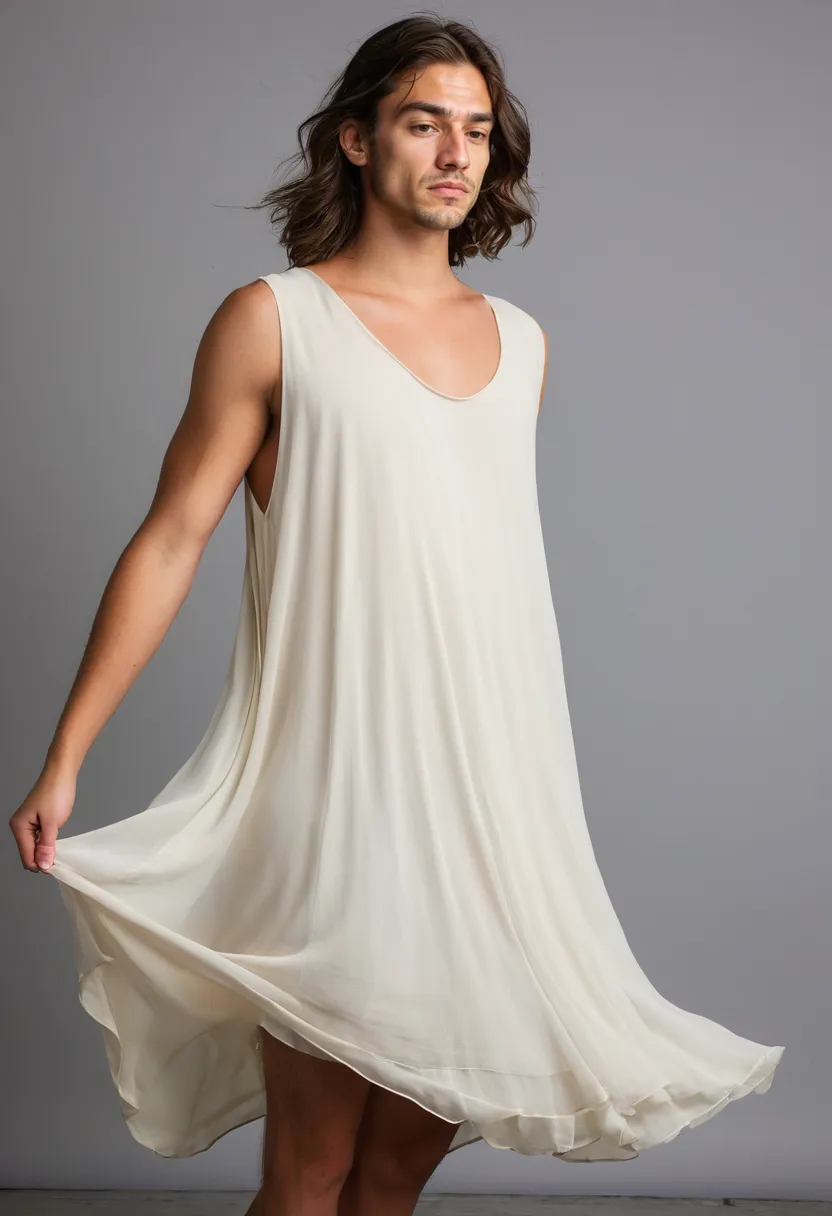
Once your concept is clear, you can translate it into tangible choices. Imagine, for example, an ethereal vision built around pale ivory chiffon: flowing layers, fabric selected specifically for visual impact, semi-sheer panels that move gently with each breath. That single garment decision already suggests your setting — perhaps a neon noir studio with holographic accents for contrast, or an outdoor meadow for a softer read.
Don’t forget the practical logistics: time of day, weather, how long you’ll need, and how you’ll travel between looks. If you’re doing multiple outfit changes, plan a rough schedule so momentum doesn’t fade. Give yourself buffer time for hair, makeup touch-ups, and the inevitable moment when something inspires you to try a look you hadn’t planned. The best shoots balance preparation with room for spontaneity.
Choosing Outfits for a Photoshoot: What Photographs Beautifully
Not every beautiful outfit translates equally well to the camera. Some fabrics that look stunning in person appear flat on film, while others seem to come alive only when photographed. For feminine photoshoots, focus on garments with movement, texture, and light interaction. Liquid satins, flowing chiffons, delicate lace, soft tulle, and fine knits all have qualities that cameras adore.
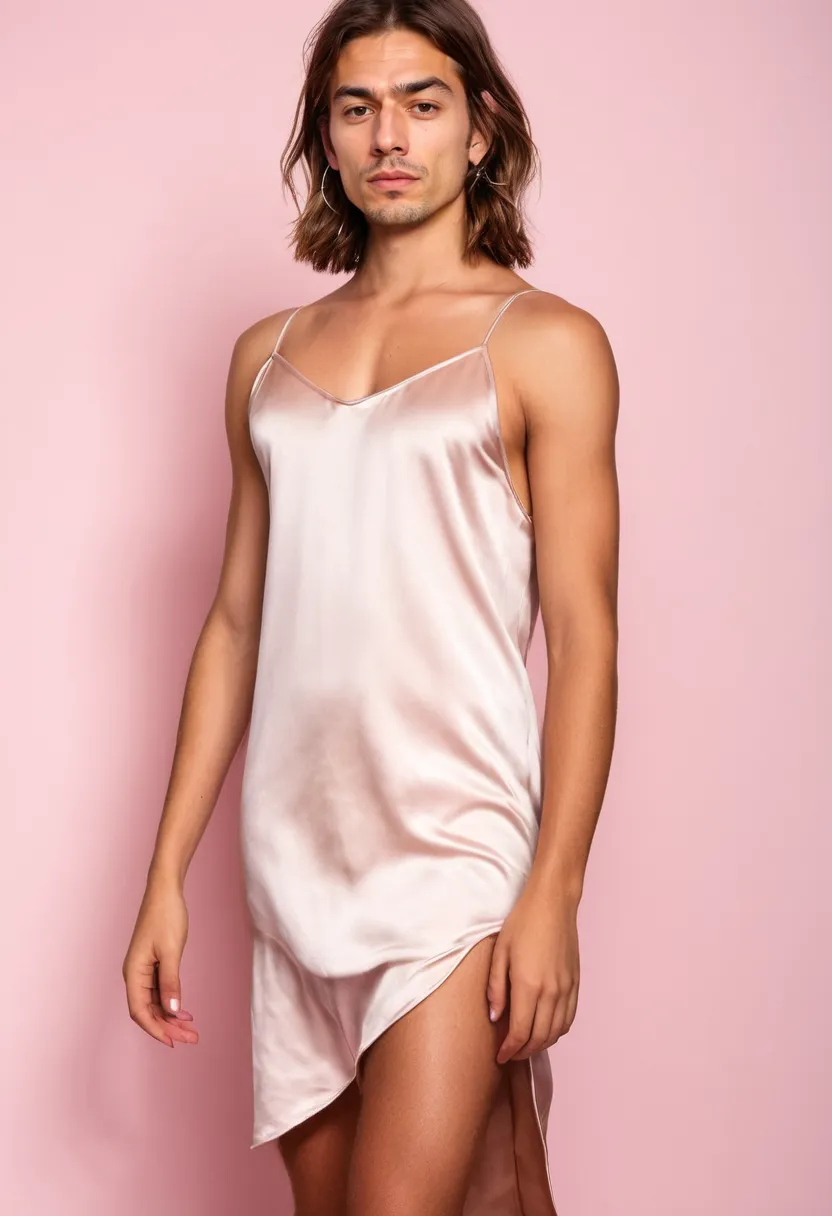
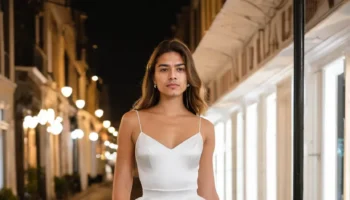
A soft blush satin slip dress with thin straps is a near-perfect example of a garment built for photography. The smooth, liquid satin catches highlights wherever the fabric curves, creating those characteristic shimmers along the collarbone, hip, and hem. The bias-cut drape hugs the body just enough to suggest shape without clinging, and the minimal design lets the fabric itself be the star. Outfits like this need very little styling to feel complete — a single delicate necklace or a pair of soft heels is often enough.
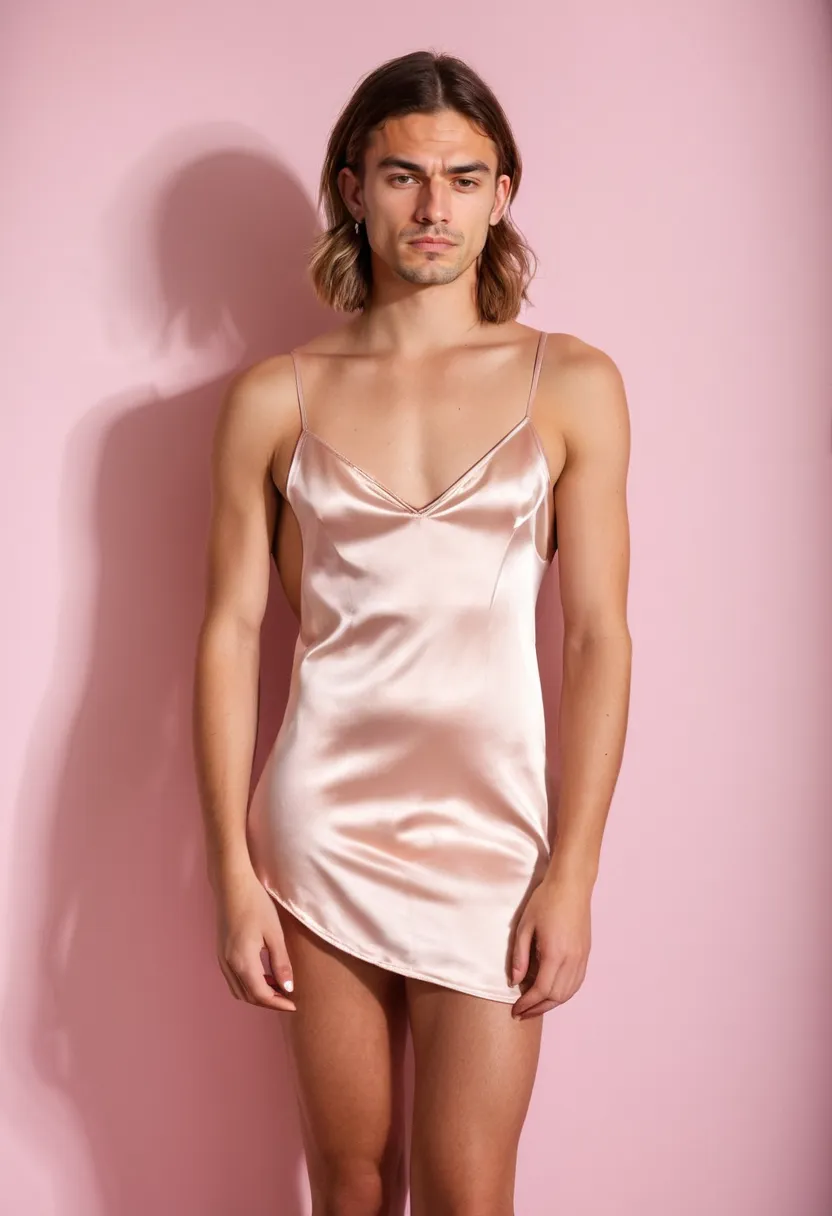
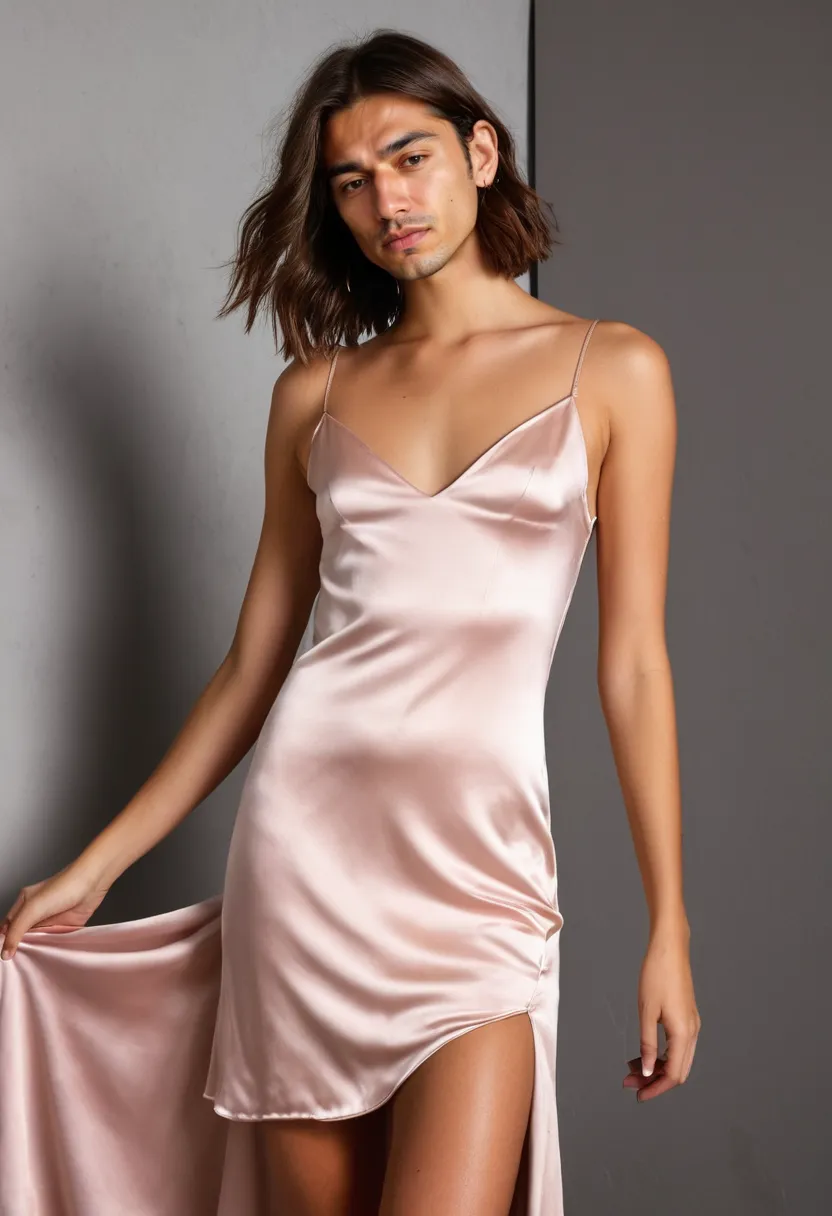
Think about colour as well. Soft pastels — blush, lavender, powder blue, mint, butter yellow — photograph with a dreamy, romantic quality, especially in natural light. Jewel tones like emerald, sapphire, and deep plum translate beautifully under studio lighting and give a more editorial feel. Pure whites and ivories work across nearly every setting but require careful exposure to avoid blowing out the highlights.
Pattern is another consideration. Small, repeating florals feel vintage and feminine. Larger prints can overwhelm a composition, so balance them against simpler accessories. Finally, think about silhouette variety across your looks. A slip dress, a full-skirted gown, and a tailored blouse with a pleated skirt will give your shoot far more visual range than three versions of the same shape. Variety is what transforms a photoshoot into a story.
Location Ideas That Create the Perfect Feminine Backdrop
Location shapes the emotional tone of a photoshoot as much as wardrobe does. A studio feels controlled and polished; a forest feels enchanted; a sunlit field feels free. The key is to match your outfit’s energy to the space around it so the two work together rather than compete.
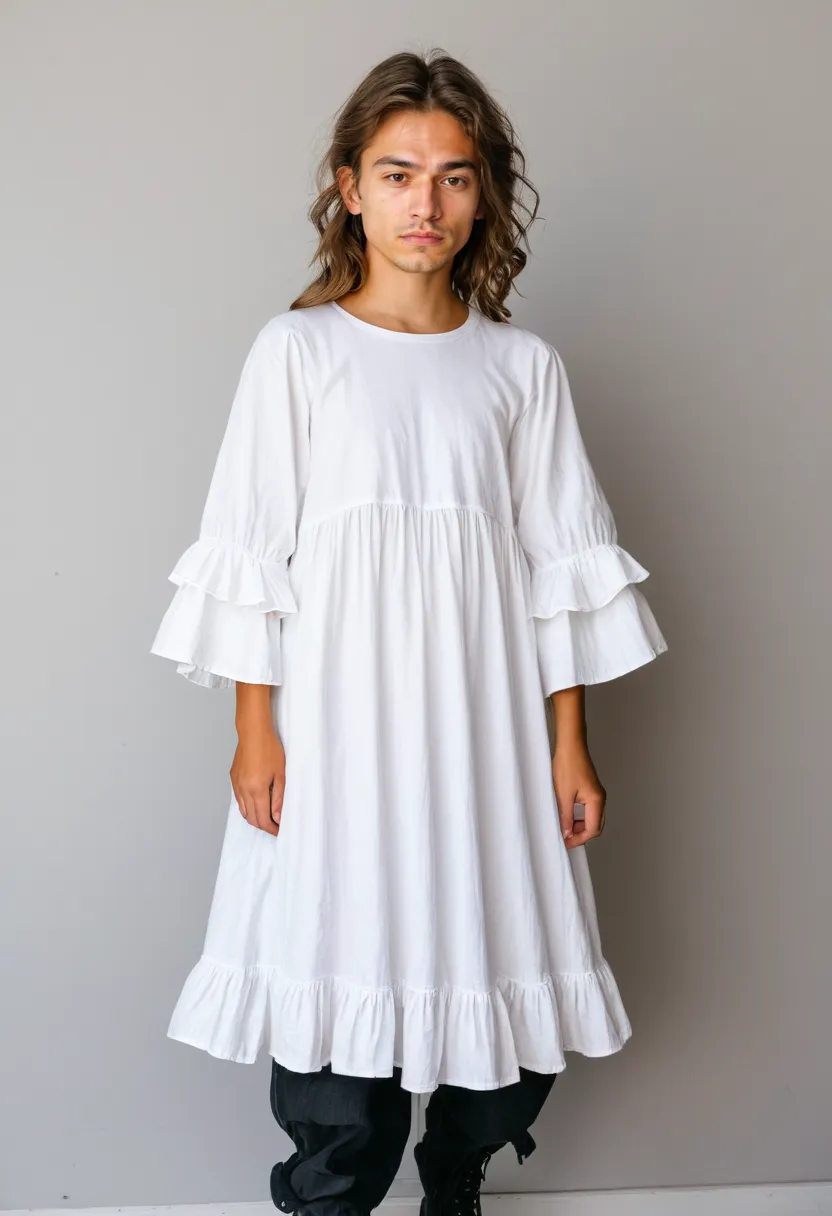
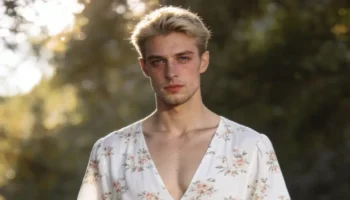
For romantic, pastoral looks, consider outdoor locations with natural texture — overgrown gardens, wildflower meadows, quiet forest clearings, coastal dunes at golden hour. A white cotton prairie dress with wide sleeves and a ruffled hem feels perfectly at home in these settings; the fabric catches the breeze and moves with you, turning ordinary stepping into something cinematic. Look for places where light filters through leaves or bounces off water for that glowing, storybook quality.
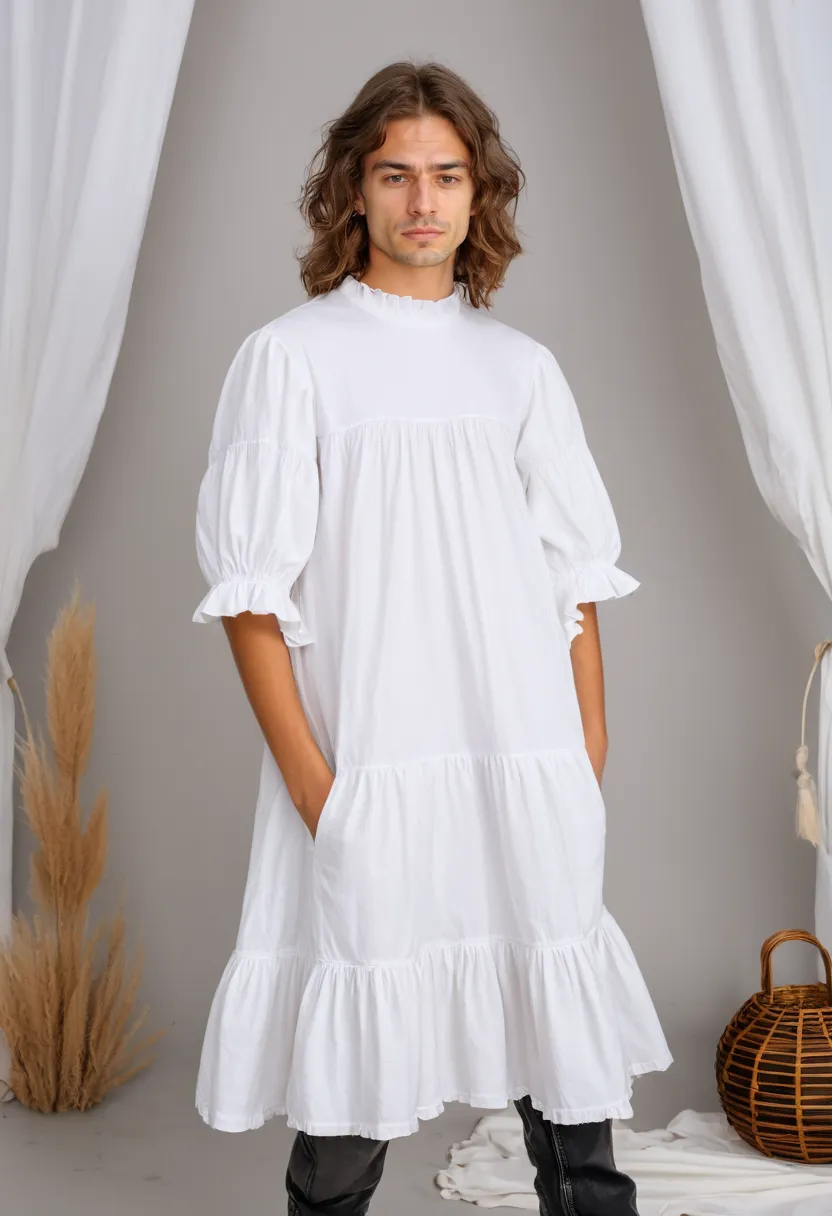
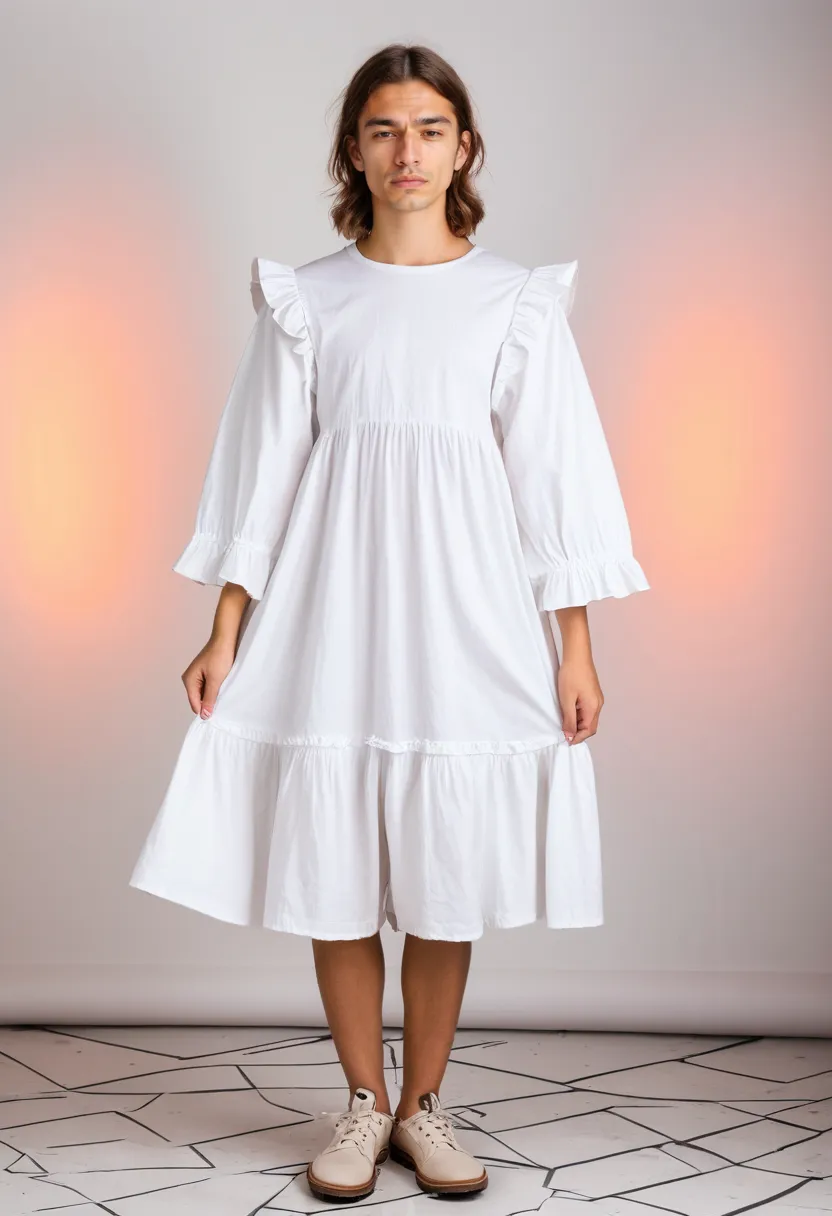
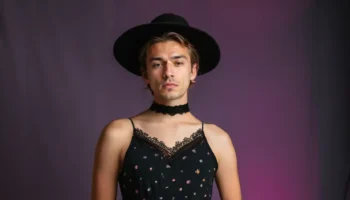
Urban environments bring a different flavour. Rooftops, graffiti-covered alleys, glass-walled buildings, and neon-soaked streets create editorial tension between feminine silhouettes and harder architectural lines. A flowing pastel gown against a brutalist concrete wall is a classic contrast that never feels tired.
Studios offer the most control. You can build custom sets with holographic backdrops, iridescent curtains, coloured gels, or simple seamless paper in a colour that complements your outfit. Neon noir studios — spaces lit with saturated pinks, purples, and blues — are particularly striking for feminine fashion, because the cool, moody lighting emphasises soft fabrics and gives images a futuristic edge.
Don’t overlook the power of home. A sunlit bedroom, a claw-foot bathtub filled with petals, a vintage dressing table piled with perfume bottles — intimate locations can produce some of the most authentic images of all. They feel like glimpses into a private world, which is exactly what many feminine photoshoots are about: revealing the self you live with behind closed doors.
Posing Guidance for Men in Feminine Outfits: Natural and Expressive
Posing is where many first-time subjects feel the most uncertain, but the secret is simpler than it seems: pose less, move more. Static, held poses often look stiff on camera. Movement — even small movement — brings life into every frame. Walk toward the camera, turn slowly away, let your hair fall as you tilt your head, lift your skirt gently and let it drop.
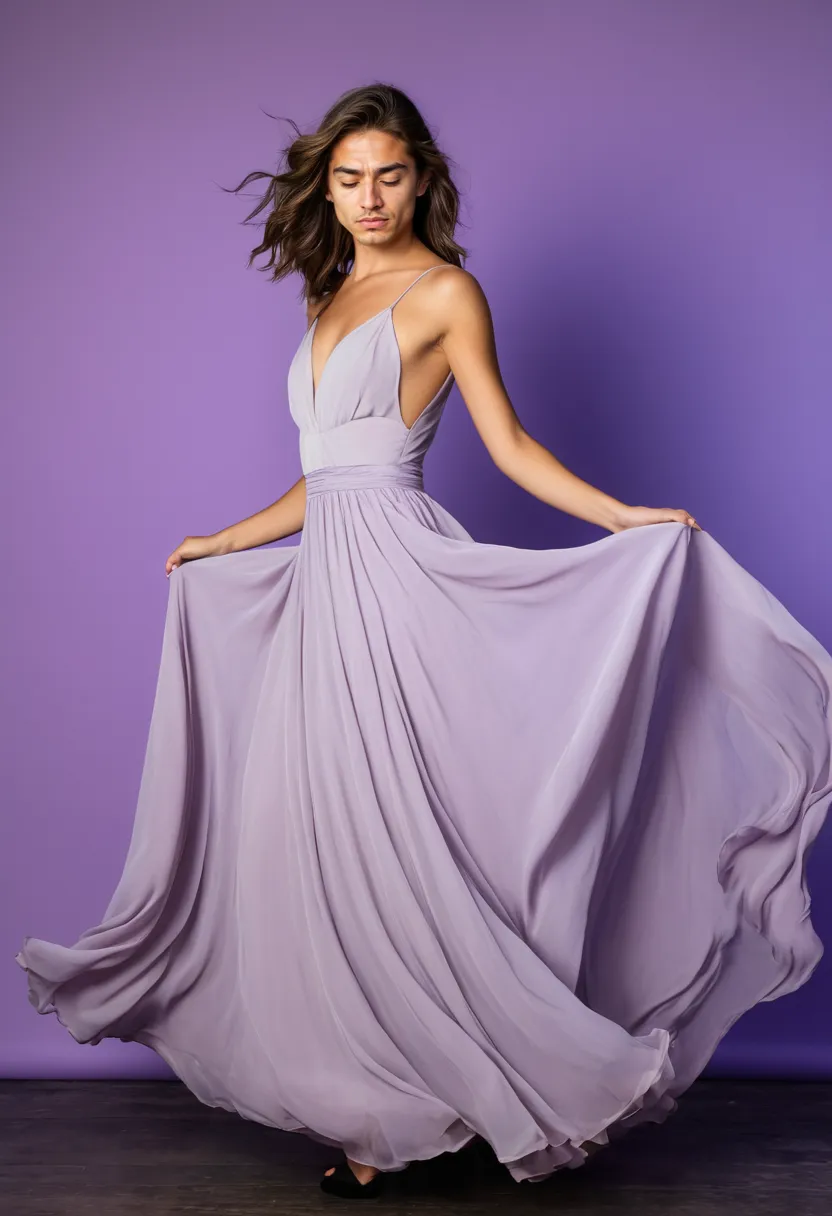
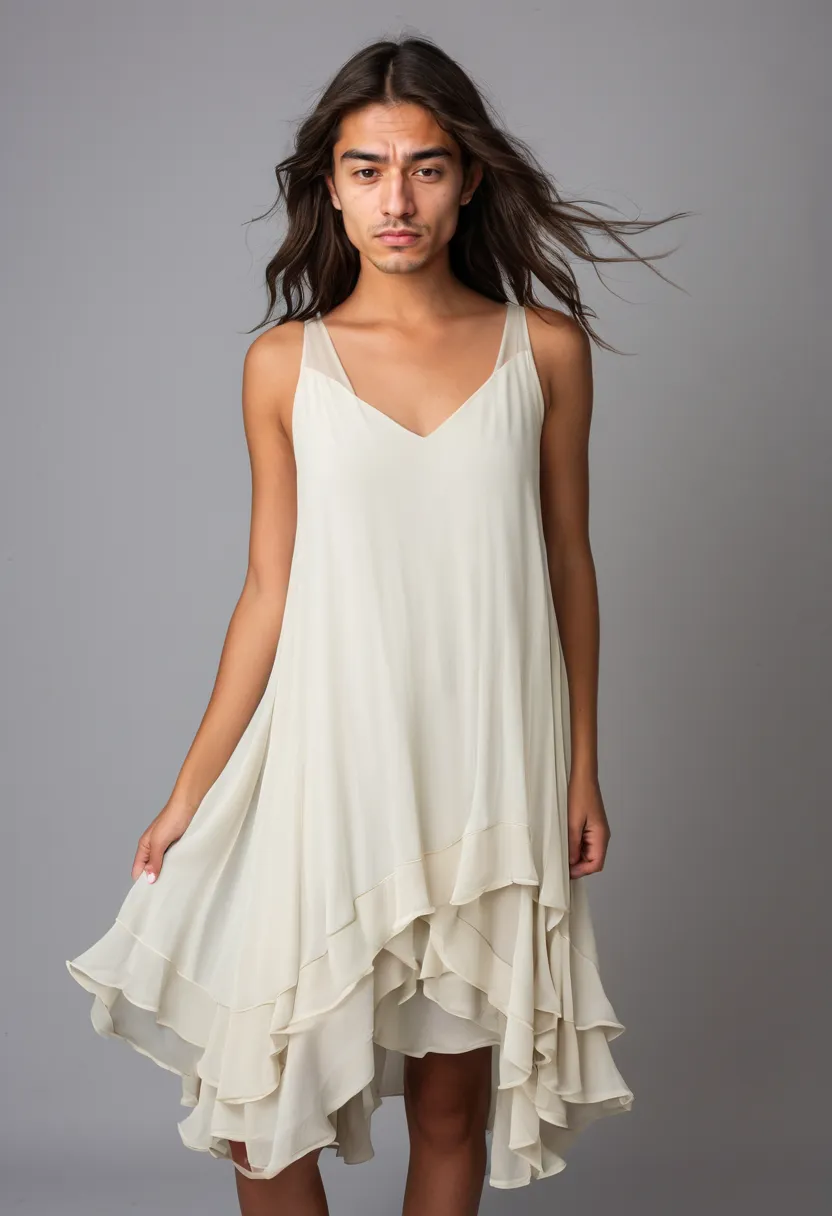
Fabric that moves — like a pale lavender chiffon dress with a wide skirt — becomes your co-star. Spin slowly and let the skirt flare out. Raise your arms and feel the sleeves ripple. Walk into a breeze (or stand in front of a fan) so the hem trails behind you. These micro-movements create the sense of motion and femininity that still photography captures so beautifully. Ask your photographer to shoot continuously during these moments; you’ll often discover the most magical frame in the in-between.
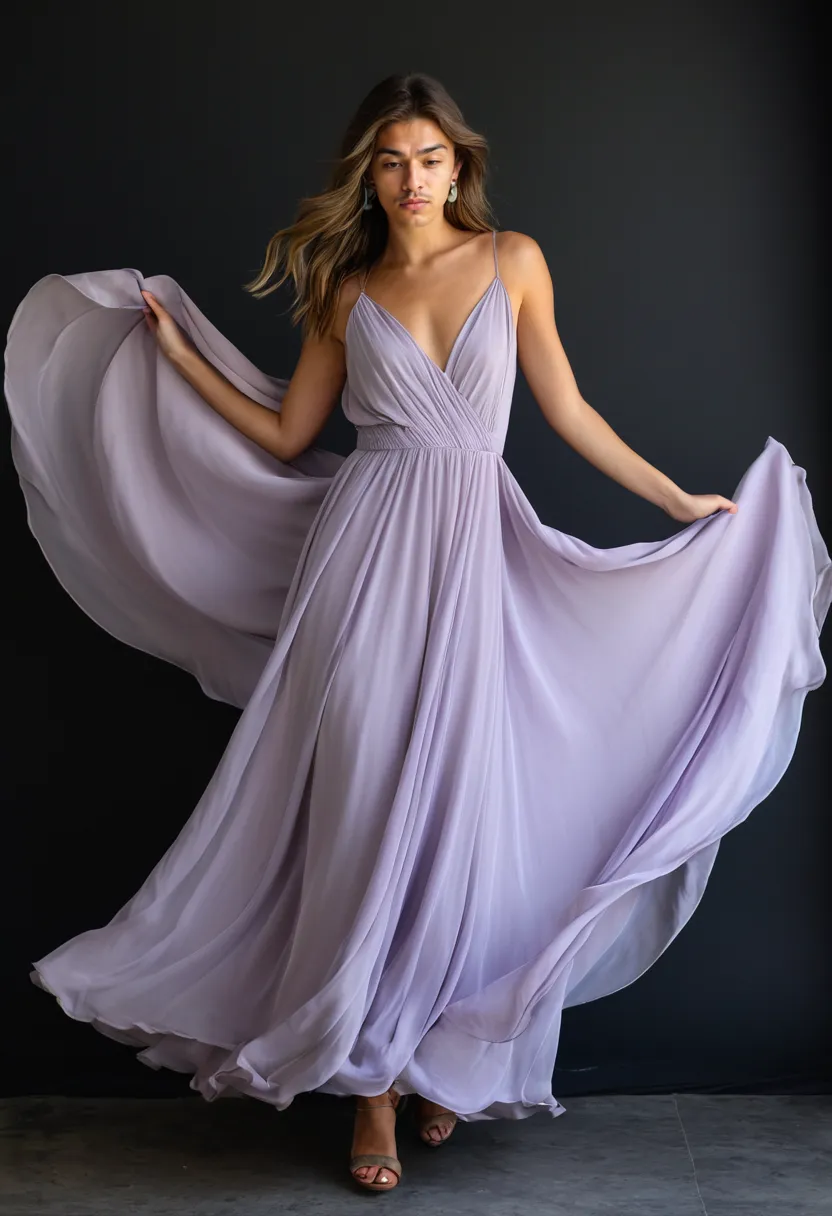
For more contained poses, think about lines and angles. Long necks photograph gracefully, so lift your chin slightly and relax your shoulders. Hands are expressive — rest one on your collarbone, brush hair behind your ear, hold the edge of a skirt. Avoid placing hands flat or clenched; soft, relaxed fingers read as feminine and elegant.
Facial expression matters more than people realise. A half-smile, a soft gaze past the lens, closed eyes with a gentle tilt — these feel more intimate than a direct, toothy grin. Practice in a mirror to find expressions that feel natural. And don’t force every image to look “pretty.” Some of the most striking feminine portraits are pensive, serious, or dreamy rather than overtly posed. Authenticity always photographs better than performance.
Lighting for Soft and Feminine Photos: What Works Indoors and Out
Lighting is arguably the single most important technical element of any photoshoot. The same outfit in the same pose can look completely different under harsh midday sun versus soft window light versus studio strobes. Understanding a few lighting fundamentals will transform your images.
For a soft, feminine aesthetic, diffused light is almost always your friend. Outdoors, that means shooting during golden hour (the hour after sunrise or before sunset) or on overcast days when the whole sky acts like a giant softbox. Harsh midday sun creates hard shadows and blown-out highlights that flatten delicate fabrics. If you must shoot at midday, find open shade under a tree or awning.
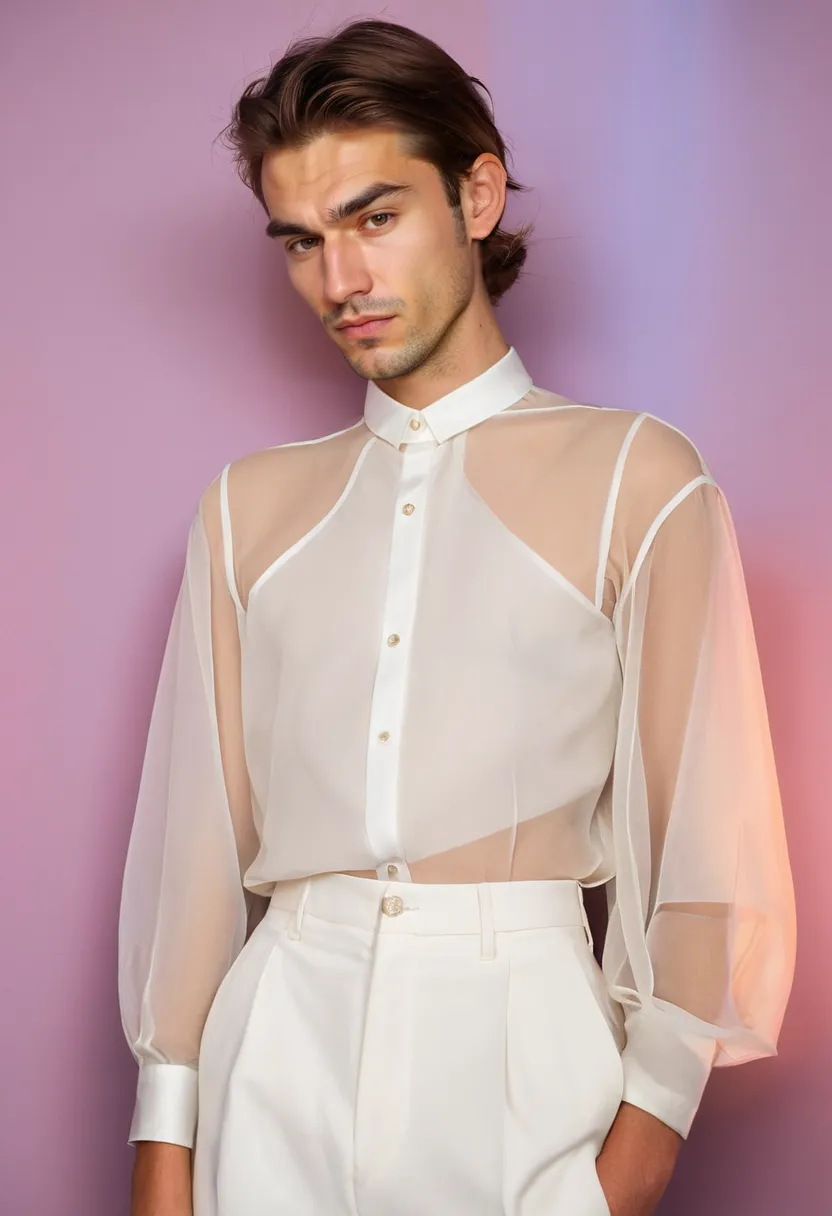
Indoors, a large north-facing window is one of the most flattering light sources in existence. Stand near it, slightly angled so the light rakes across your face and outfit, and watch how structured sheer fabrics like organza come alive. An ivory organza blouse, for instance, glows beautifully in soft light — the sheer panels catching highlights while the structured shape holds its form.
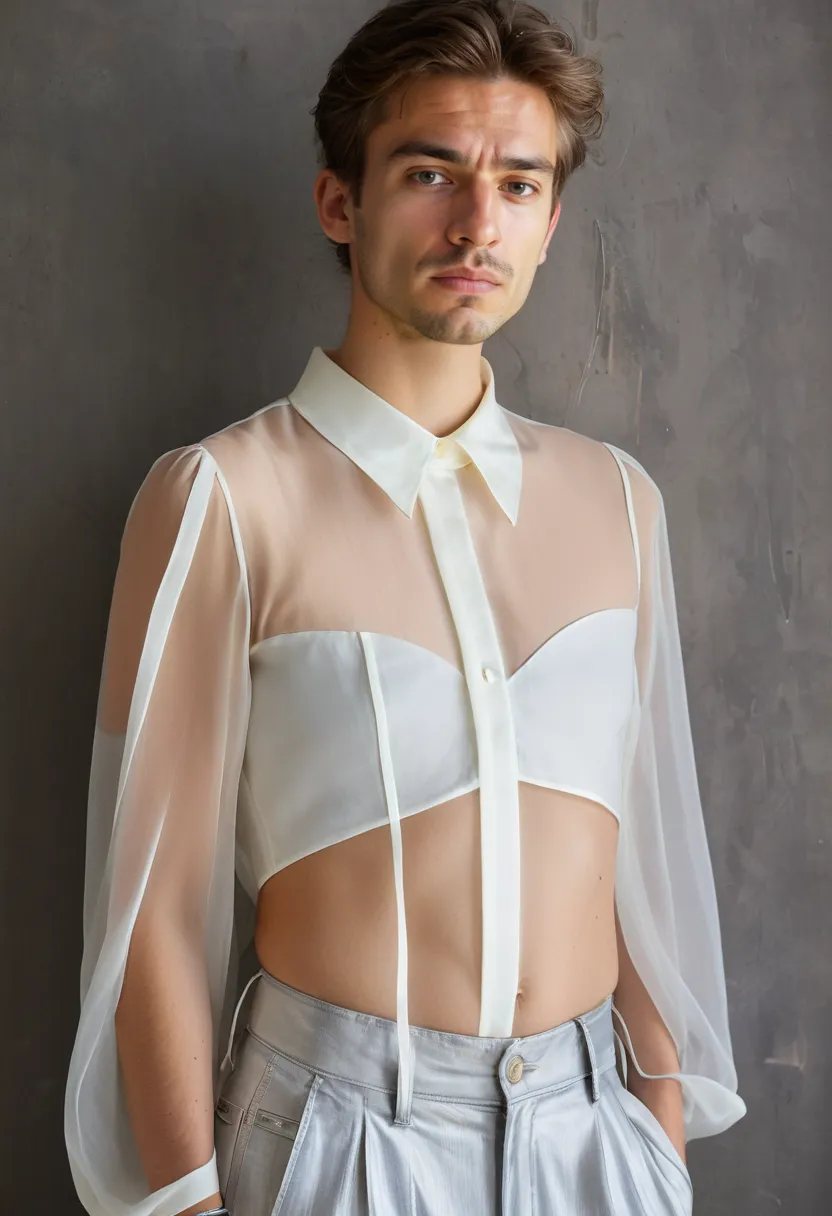
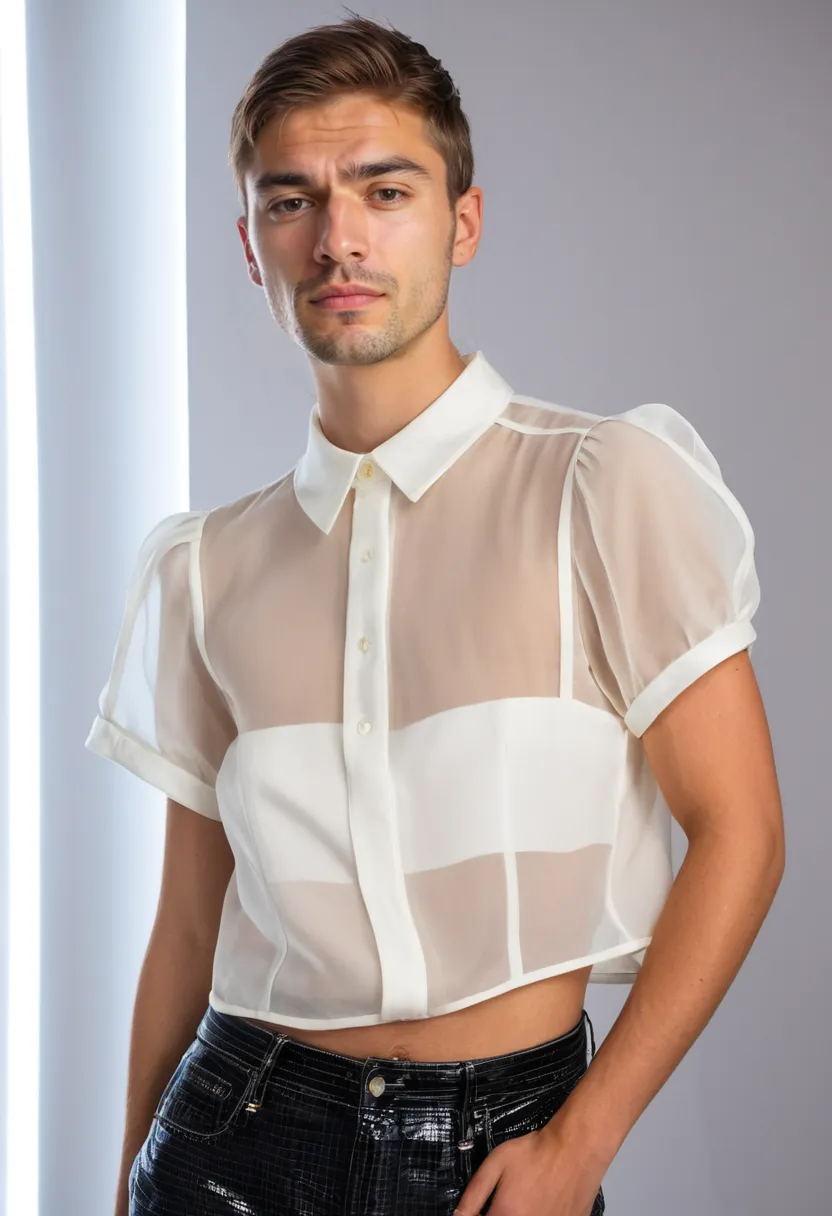
Studio lighting gives you ultimate control. A large softbox as your key light, combined with a reflector or second softbox as fill, produces that clean, editorial look you see in magazines. For more dramatic, moody feminine imagery, experiment with coloured gels — soft pinks, lavenders, and blues can transform a simple outfit into a surreal vision. Backlighting is another powerful technique: placing a light behind the subject makes sheer fabrics glow and creates a halo effect around hair.
Whatever your setup, keep your light sources soft and consistent. Avoid mixing colour temperatures (warm lamplight and cool daylight in the same frame can look muddy), and always check your shadows. A gentle shadow adds dimension; a harsh one can cut your image in half.
Hair and Makeup Planning for a Feminine Man Photoshoot
Hair and makeup complete the story that your clothes begin. Both should support the concept rather than compete with it. For soft, romantic shoots, aim for a natural-looking base with emphasis on one or two features — perhaps a soft flush on the cheeks and a glossy lip, or defined eyes with nude everything else. Cameras amplify makeup, so what looks subtle in the mirror often reads just right on film.
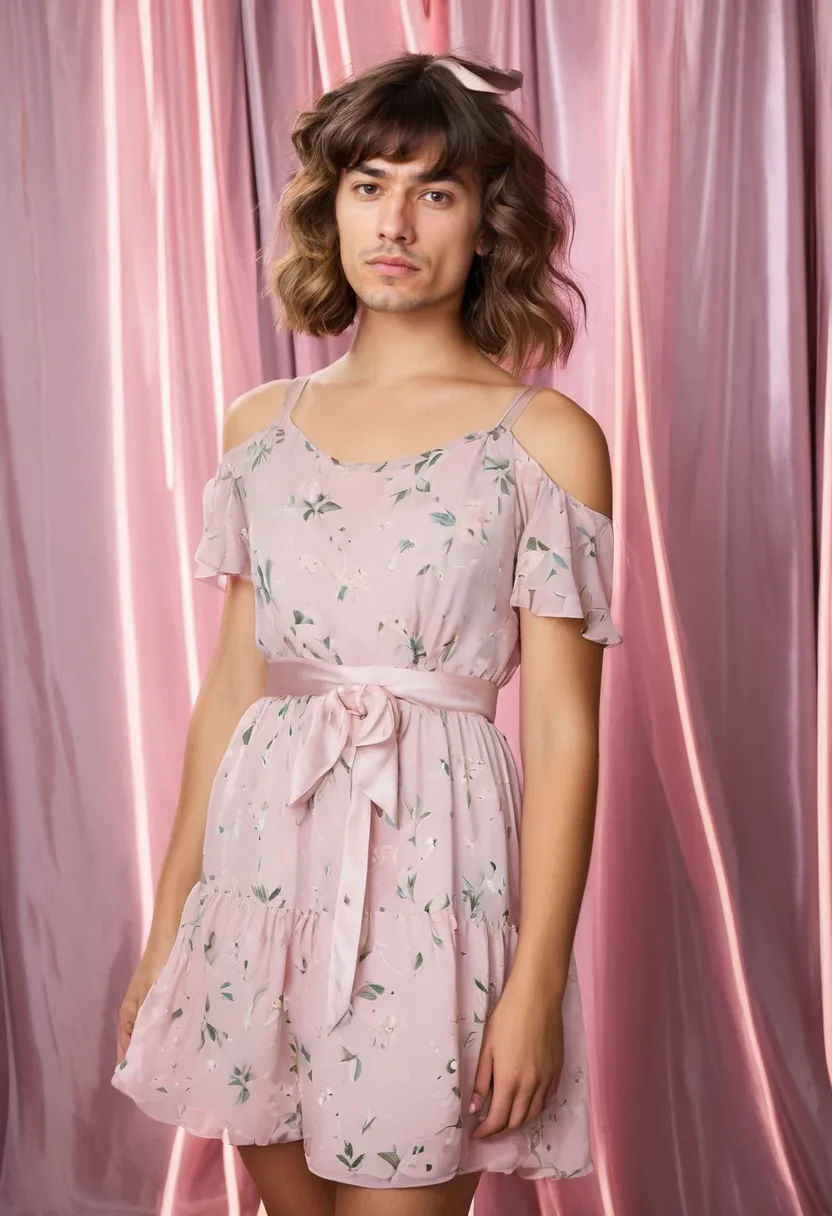
For skin, focus on luminosity rather than heavy coverage. A hydrating primer, light foundation or tinted moisturiser, and a touch of cream highlighter on the high points of the face create that glowing effect that photographs beautifully. Brows should be softened and filled naturally — strong, dark brows can overwhelm delicate feminine looks, but completely absent brows look odd on camera.
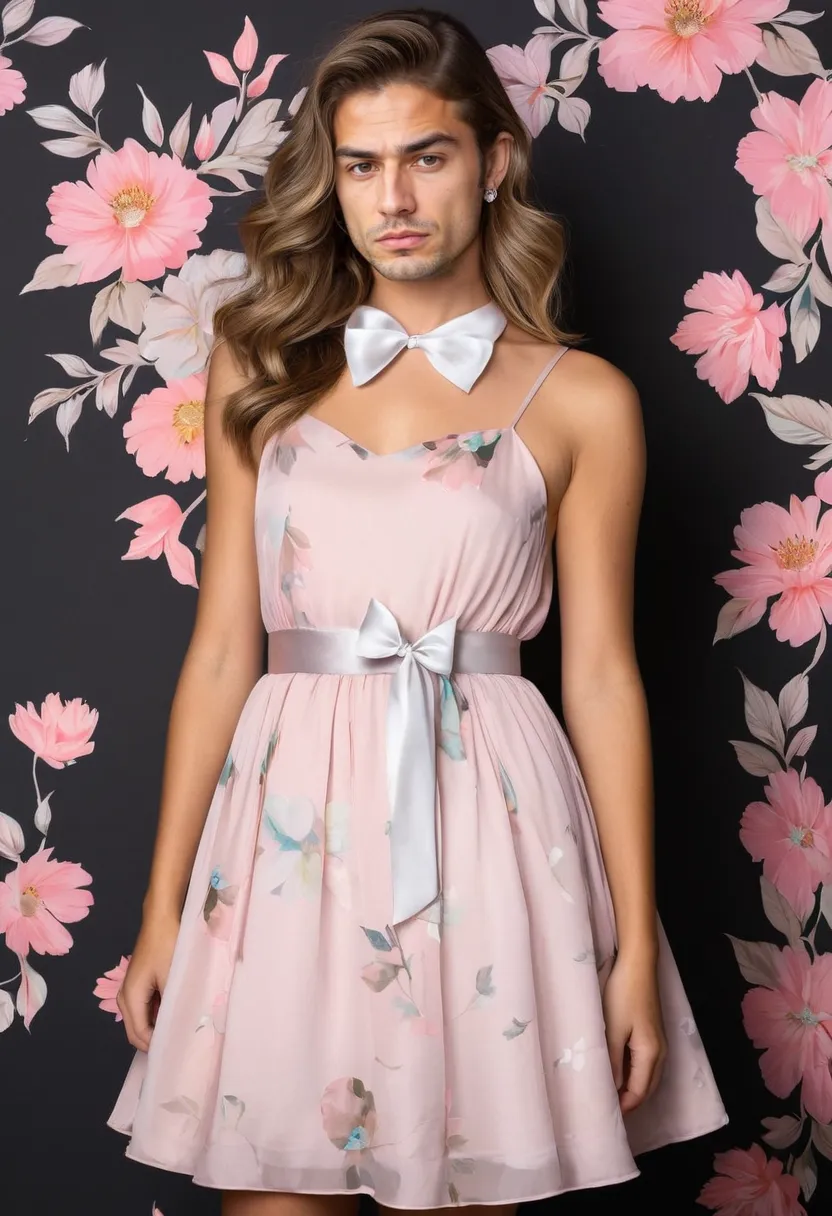
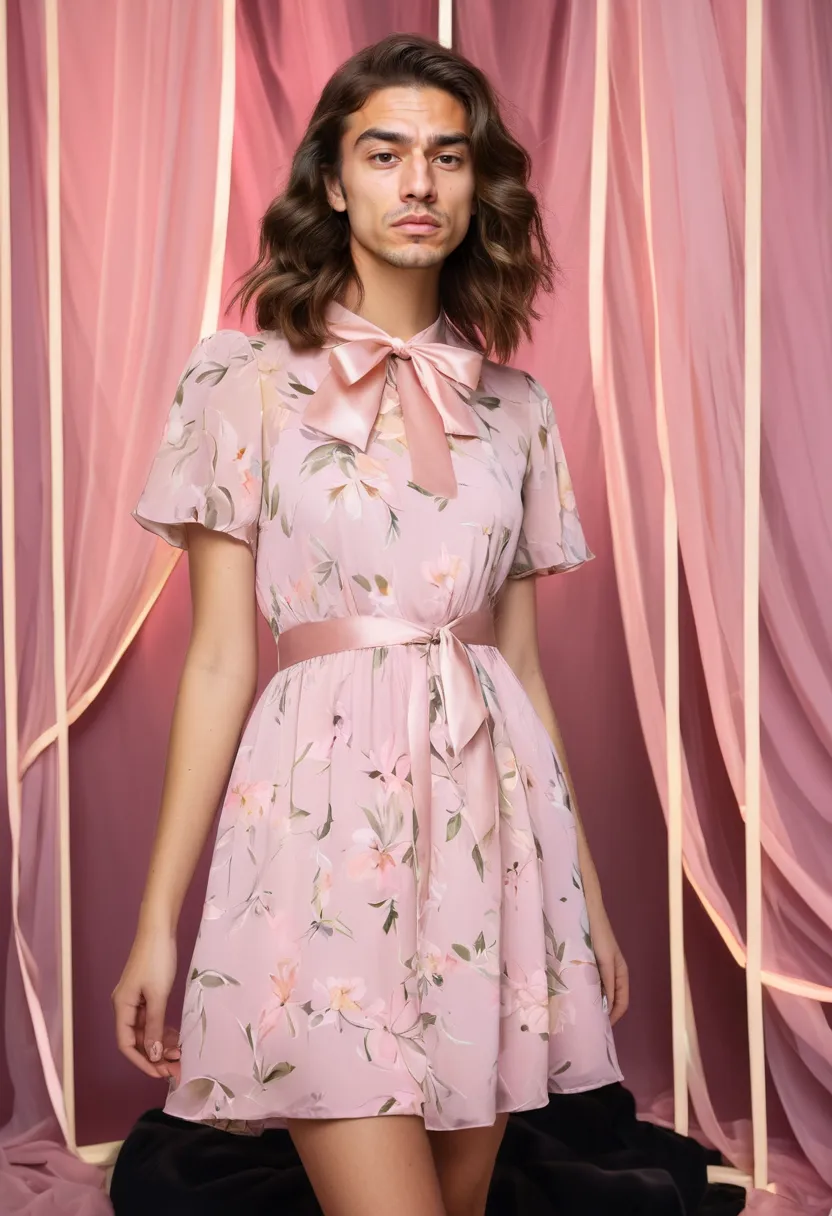
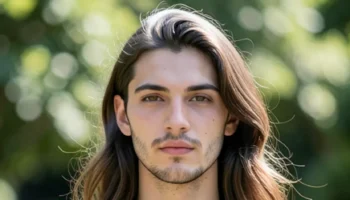
Hair is a huge mood-setter. Soft waves, loose curls, a low bun with tendrils framing the face, or braids woven with ribbons all evoke a romantic femininity. Pairing a pastel pink floral chiffon dress with soft waves and a satin ribbon creates a cohesive, considered look where every element speaks the same visual language. If your natural hair is short, consider clip-in extensions, a wig, or embracing styled short hair — a deep side part, finger waves, or a slicked-back pixie can be just as feminine and far more editorial.
Don’t neglect the smaller details. Nails — even neutral, glossy ones — show up in almost every hand pose. A subtle scent won’t appear in photos but will shift your mood on the day. Consider jewellery that photographs well: delicate chains, pearl drops, a single statement earring. If you’re nervous about doing your own hair and makeup, hiring a professional for even one look is a worthwhile investment; watching a pro work is also the best way to learn techniques you can replicate later.
Working With a Photographer vs Shooting Solo or With a Friend
Every approach to taking photos has its place, and the right choice depends on your budget, your comfort level, and the kind of images you want to create. Hiring a professional photographer offers the highest production quality and the benefit of a trained eye directing composition, light, and flow. A good photographer will also help you feel at ease — their encouragement and technical skill can turn a nervous first-timer into a confident subject within minutes.
When choosing a photographer, look for someone whose portfolio aligns with your vision and, equally important, someone who makes you feel safe. For feminine shoots, many men prefer photographers who have worked with LGBTQ+ subjects, drag performers, or gender-expansive clients. Don’t hesitate to ask about their approach, share your mood board, and discuss boundaries in advance. A pre-shoot consultation (even a quick video call) makes the day itself feel far smoother.
Shooting with a friend is a wonderful middle ground. It’s lower pressure, usually free, and allows for a playful, experimental atmosphere. Even if your friend isn’t a photographer, modern phone cameras produce stunning images, and the intimacy between you often translates into more natural expressions. Bring a tripod, a portable ring light, and a shot list for ideas.
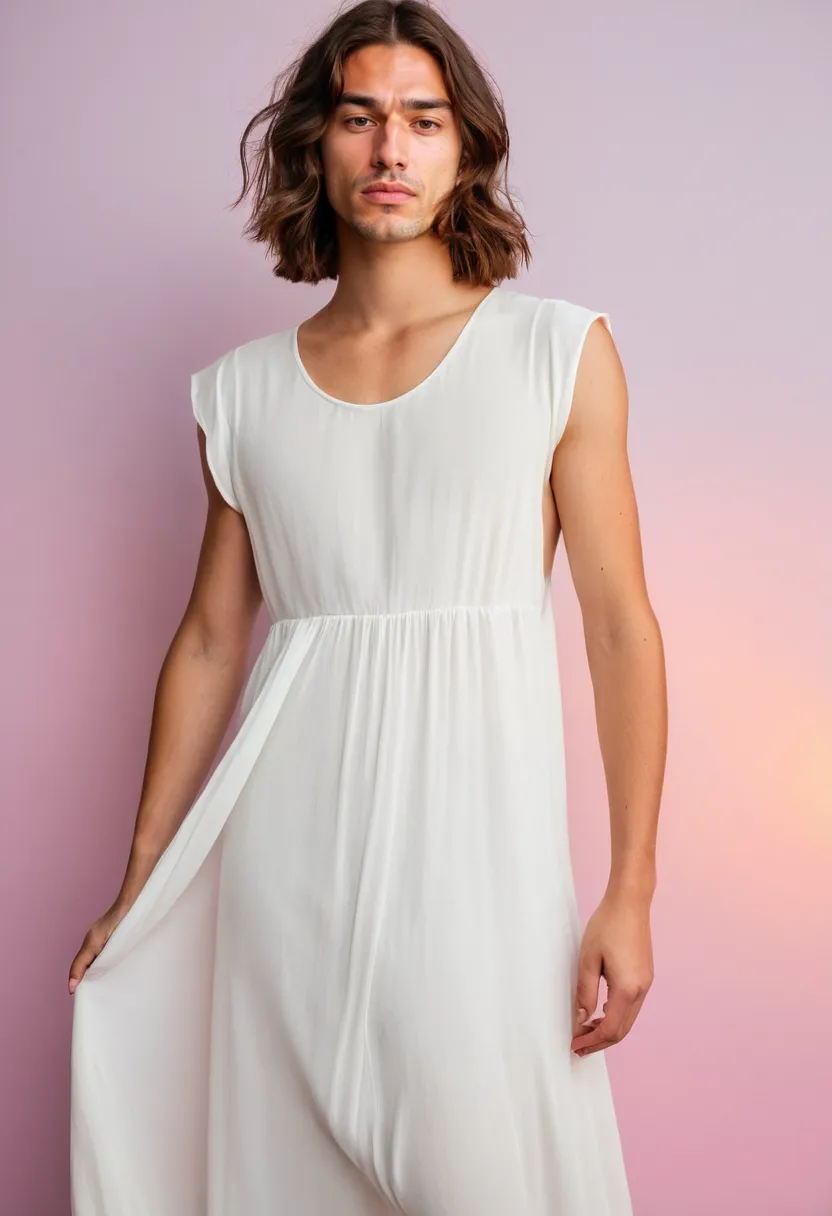
Solo shoots are entirely possible too. A tripod, a remote shutter or self-timer, and a versatile garment — like a lightweight white chiffon maxi dress that moves beautifully in any setting — are all you need. The advantage is total creative freedom and no audience to feel self-conscious around. The disadvantage is that you become your own director, which takes practice. Start small, shoot often, and treat every attempt as a rehearsal for the next.
Editing and Presenting Your Photoshoot: Keeping the Aesthetic Consistent
Editing is where a photoshoot comes together as a cohesive visual story. Even the most beautiful raw images benefit from thoughtful post-processing, and a consistent editing style is what makes a series feel intentional rather than random.
Start by culling ruthlessly. From a shoot of several hundred images, you likely have twenty to forty strong ones and perhaps ten truly exceptional frames. Be selective — a tight edit is always more impactful than a bloated one. Choose images that show variety in pose, expression, and composition while maintaining tonal consistency.
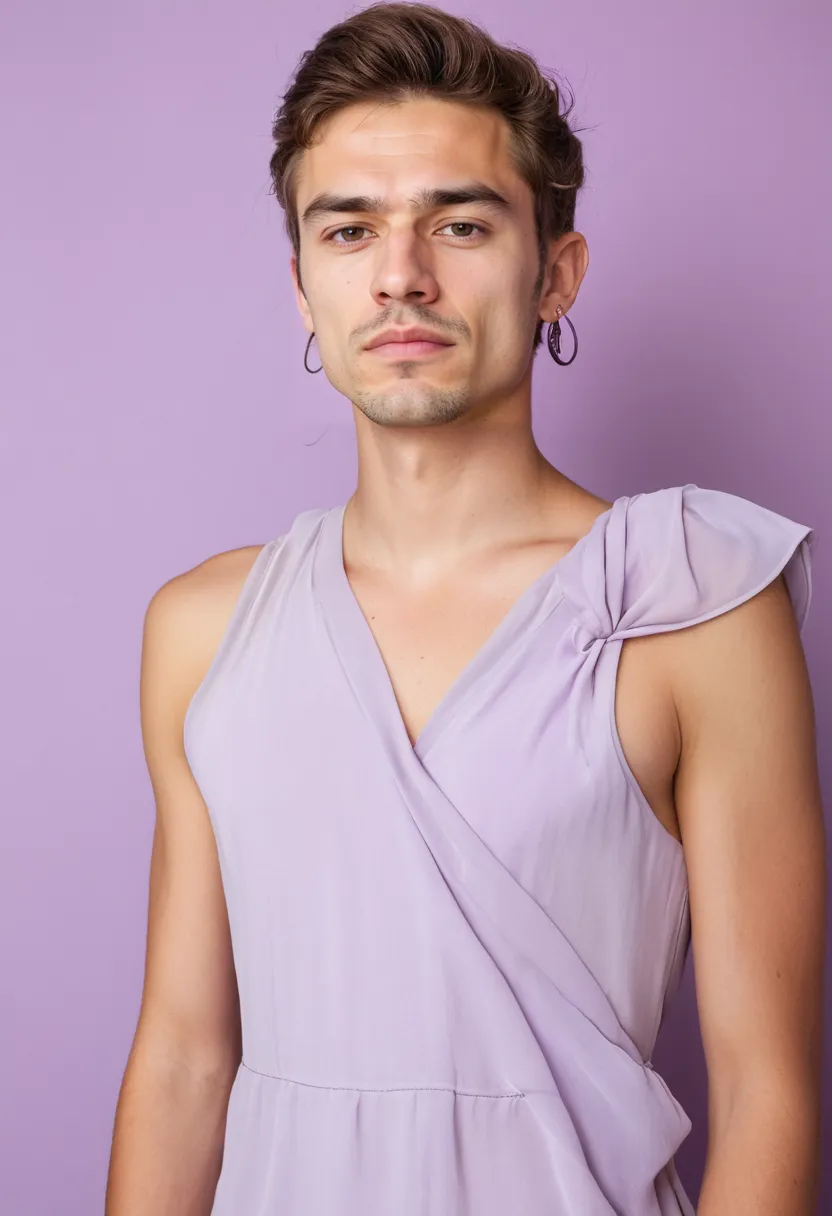
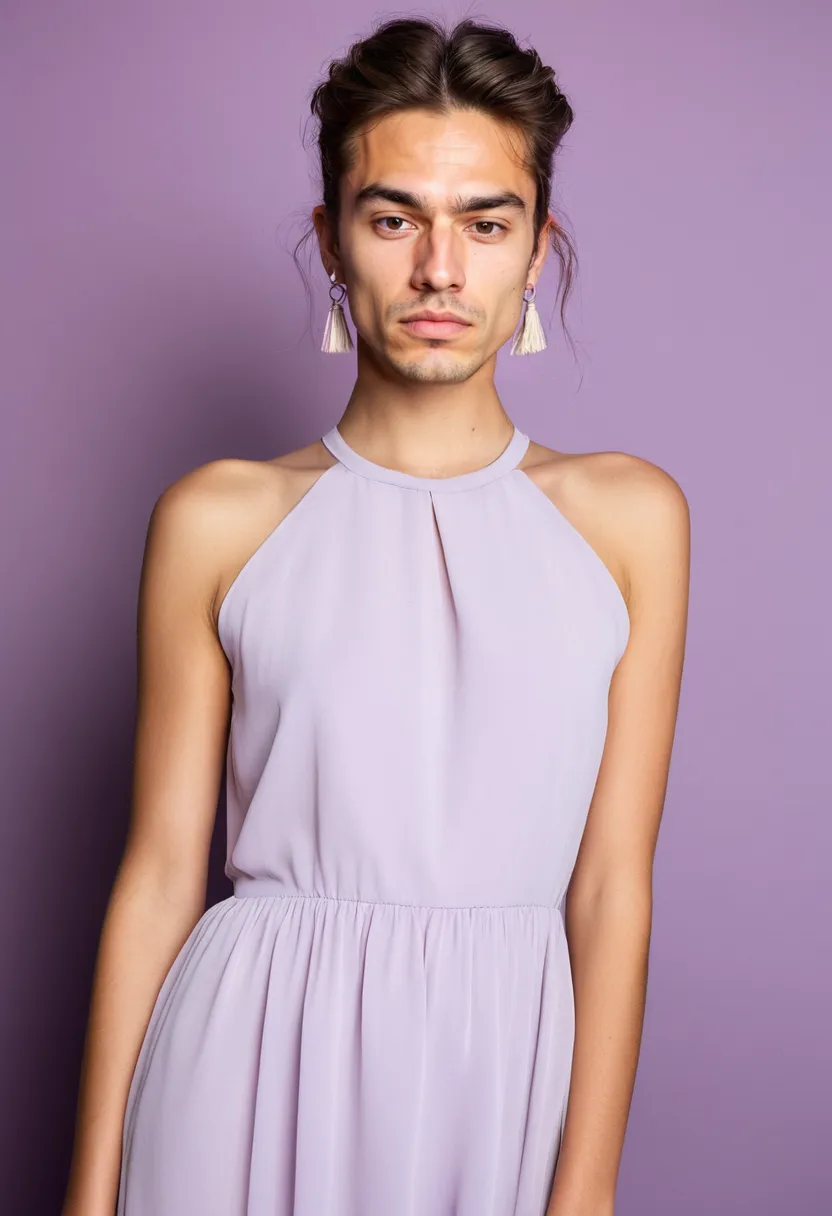
For feminine aesthetics, lean into soft, warm, or cool tonal palettes depending on your concept. Lightroom and similar apps let you create presets that you can apply across an entire series for instant consistency. Soft pastels respond beautifully to slightly lifted shadows, reduced contrast, gentle desaturation, and a touch of warmth in the highlights. An all-pastel look in soft lilac — from dress to accessories — benefits from an edit that preserves the dreamy quality of the chiffon and keeps the colour palette uniform throughout.
Resist the urge to over-smooth skin or erase every imperfection. Gentle retouching — softening blemishes, evening out skin tone, brightening eyes — preserves realism while making the image feel polished. Heavy-handed editing often makes images look artificial, especially on skin and hair.
When presenting the final images, think about sequencing. On Instagram or a personal portfolio, arrange
Author: Emma. Photos: Alex Neuron. The material was prepared with the assistance of AI and has undergone quality review.