Pretty Dresses for men: Stunning Feminine Looks & Style Ideas
Fashion has always been at its most exciting when it crosses boundaries, challenges expectations, and invites wearers to explore new sides of themselves. In recent years, the conversation around pretty dresses for men has moved from the margins into the mainstream, with celebrities, designers, and everyday style enthusiasts embracing dresses as garments that transcend gender. A pretty dress isn’t defined by who wears it — it’s defined by craftsmanship, silhouette, fabric, color, and the confidence of the person inside it. This guide is both a celebration and a practical resource: a gallery of stunning looks paired with a mini-guide on silhouettes, prints, lengths, styling, and occasions. Whether you’re curious about trying your first floral midi, searching for the perfect wrap dress for a summer wedding, or simply looking to expand your wardrobe with beautiful, expressive pieces, this article is designed to help you find and wear dresses that feel genuinely, unapologetically pretty.
What Makes a Dress Genuinely ‘Pretty’ – A Style Breakdown
The word “pretty” carries weight in fashion. It suggests a specific blend of softness, charm, and visual appeal — something more delicate than “stylish” and more approachable than “glamorous.” But what actually makes a dress pretty? The answer lies in the interaction of several key design elements, each contributing to the overall impression of beauty.
First, there’s fabric. Pretty dresses tend to favor materials with movement and tactile warmth: chiffon that floats, crepe that drapes smoothly, cotton with a soft hand, or silk with a subtle sheen. Stiff, heavy, or overly structured fabrics rarely feel pretty — they feel architectural. A dress becomes pretty when the fabric reacts to the body and the air around it, rippling when you walk and settling gracefully when you stand still.
Second, silhouette matters enormously. Pretty silhouettes tend to balance fit and flow. A fitted bodice that transitions into a flared skirt, an A-line that skims the body without clinging, or a wrap that creates soft diagonal lines across the torso — all of these shapes flatter while retaining a sense of ease.
Third, color and print set the emotional tone. Pretty dresses often feature soft pastels, romantic florals, gentle neutrals, or clean geometric patterns that feel fresh rather than loud. However, pretty doesn’t have to mean muted — a vivid cobalt or a deep rose can be equally charming when paired with the right cut.
Finally, details seal the deal. Thin spaghetti straps, delicate embroidery, smocked bodices, flutter hems, subtle pleats, and tied waists all contribute to the kind of refined craftsmanship that elevates a dress from ordinary to pretty. For men exploring feminine dressing, understanding these elements is the first step toward building a wardrobe that feels authentic and visually stunning.
men in Pretty Dresses: A Gallery of Stunning Looks
There’s nothing quite like seeing a great dress worn with confidence. The following gallery celebrates men in pretty dresses, showcasing how floral prints, flowing chiffon, and thoughtful tailoring can combine to create truly stunning looks. Consider a stunning floral midi dress in soft chiffon as a starting point — the kind of piece that feels both romantic and modern. Picture a bold floral print in blush pink and ivory, the two colors blending in painterly clusters across a flowy A-line silhouette. Thin spaghetti straps frame the shoulders lightly, leaving the collarbone visible, while the fabric itself becomes a kind of performer, floating and rippling with every movement. The hem falls to mid-calf with an uneven flutter, giving the dress a sense of motion even when the wearer is standing still.
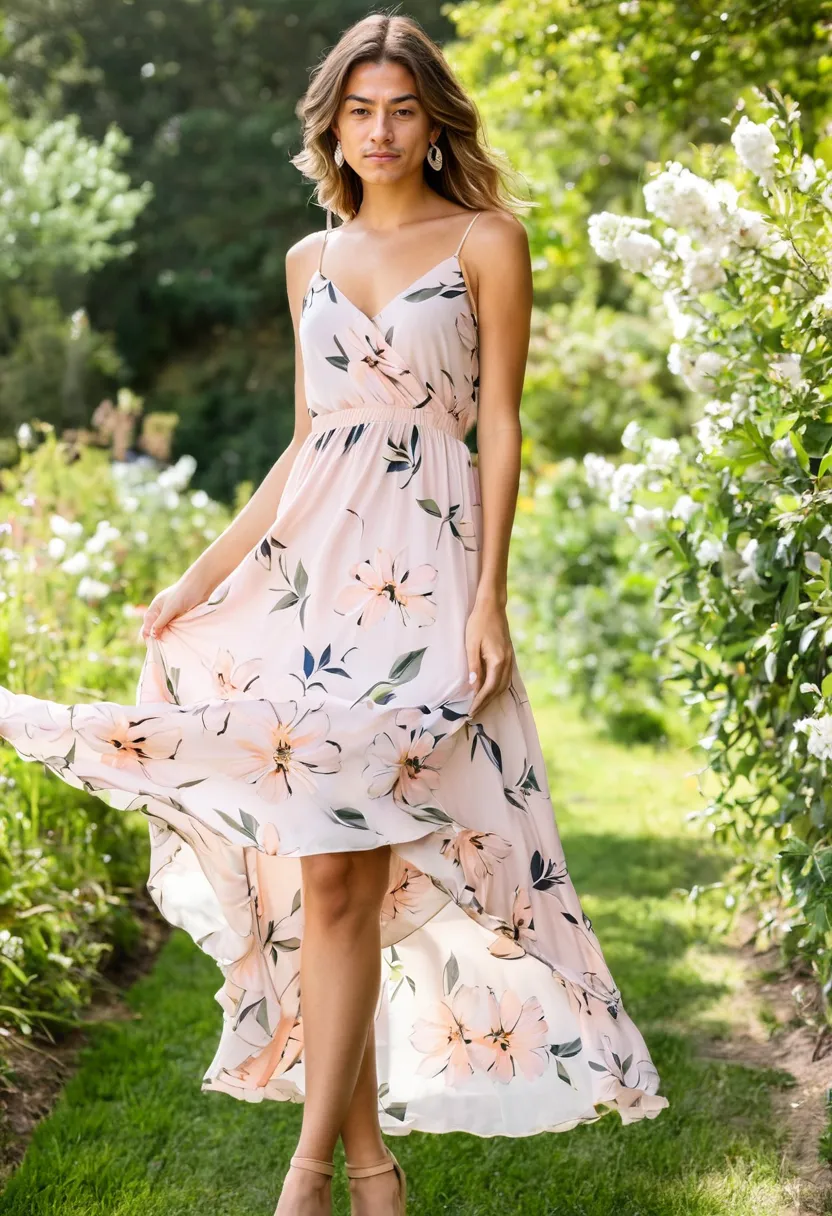
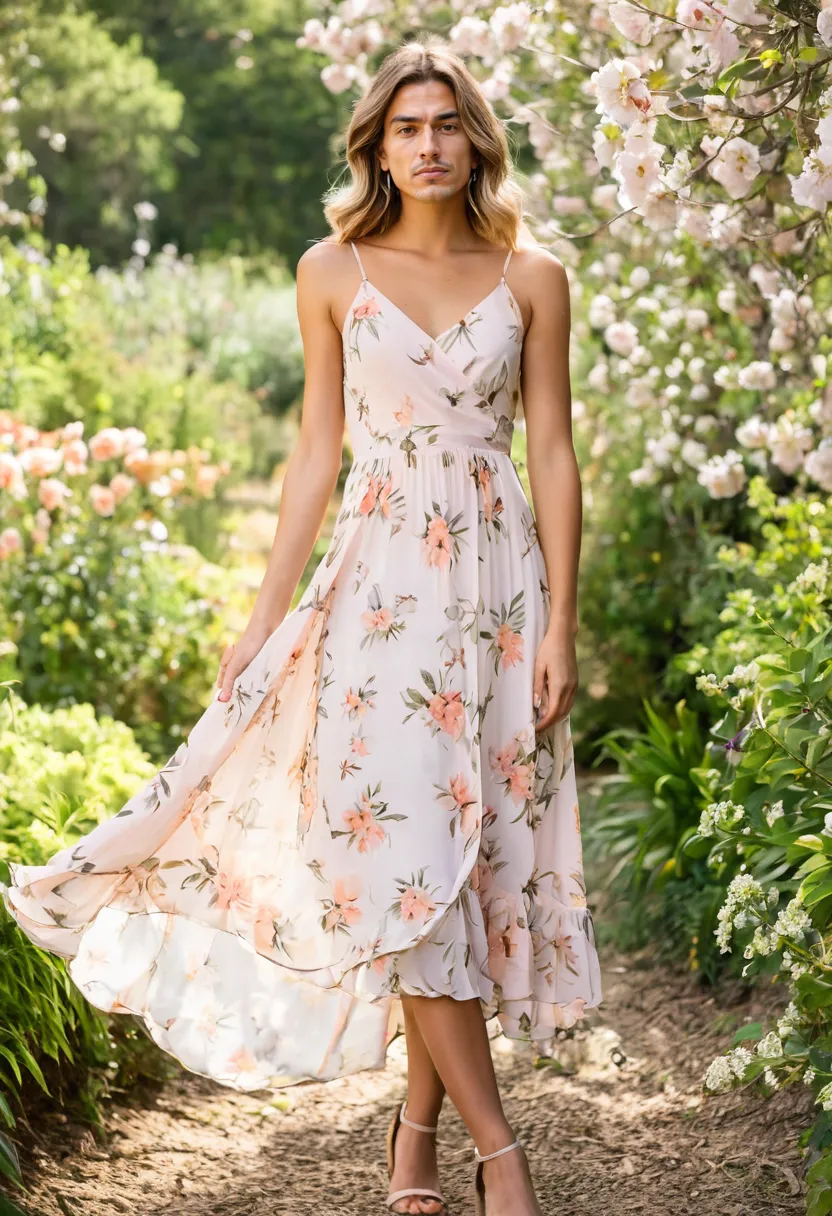
What makes this kind of look so successful is the way every element supports every other. The chiffon’s lightness amplifies the delicacy of the floral print; the A-line skirt balances the visual weight of the pattern; and the uneven flutter hem adds a note of whimsy that keeps the ensemble from feeling too formal. This is the essence of a pretty dress done right — a garment that feels alive on the body.
Gallery-worthy looks often share a common thread: they don’t fight the wearer’s identity, they amplify it. A man in a floral chiffon dress isn’t pretending to be anyone else; he’s simply choosing a silhouette and a print that resonate with him. The blooming garden backdrop in these images reinforces that sense of harmony — of a person and a dress and a setting all telling the same gentle, confident story.
Dress Silhouettes That Flatter men Most: A Visual Guide
Finding the right silhouette is arguably the most important decision when choosing a dress. Men’s bodies vary enormously — broader shoulders, narrower hips, longer torsos, athletic builds — and the good news is that dress design offers an equally wide range of solutions. The key is understanding how different cuts interact with proportion.
The A-line silhouette is perhaps the most universally flattering. Imagine a dress in soft ivory cotton with a fitted bodice that flares gently into a full skirt. The defined waist — often marked with a visible seam — creates a clear focal point, while the gradual outward sweep of the skirt introduces a graceful hourglass effect. The fabric’s slight stiffness helps the A-line hold its shape, producing a subtle sway rather than a heavy drop. This silhouette works beautifully for those who want to soften straight lines or introduce a more pronounced curve at the waist.
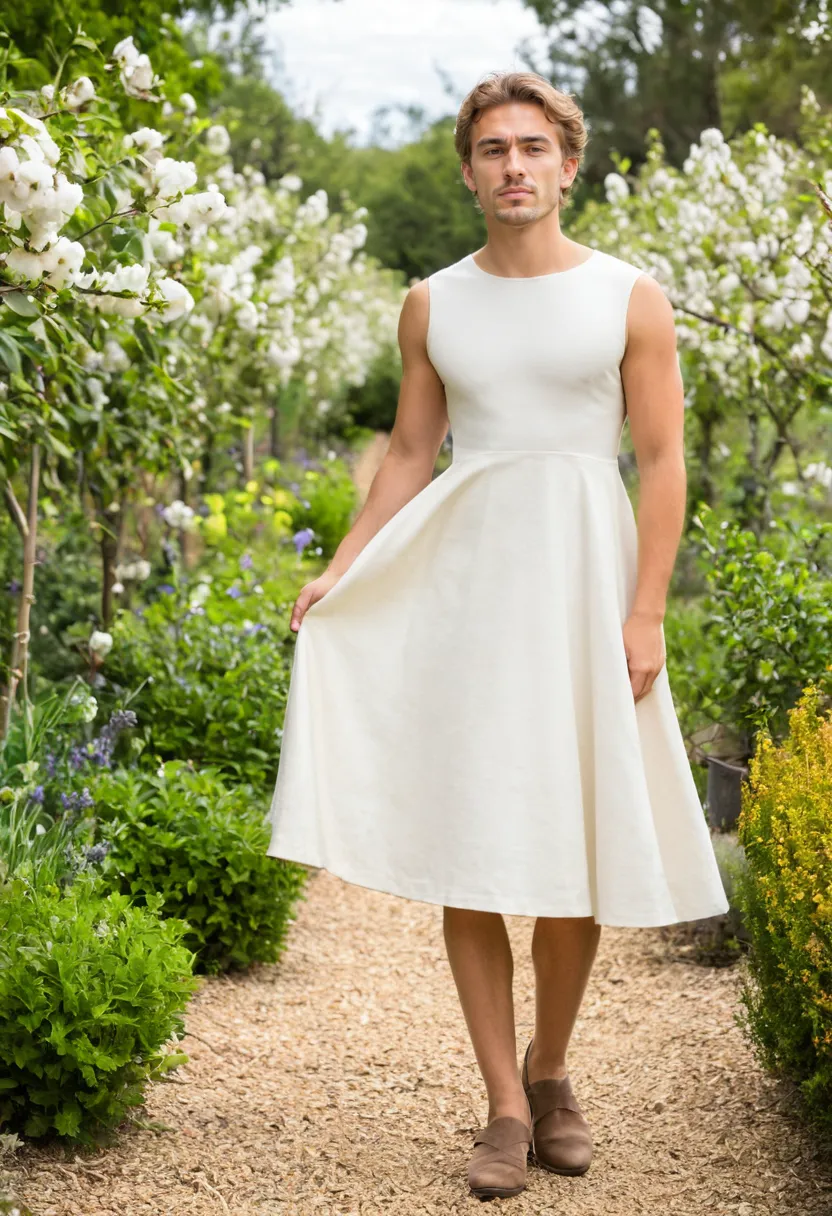
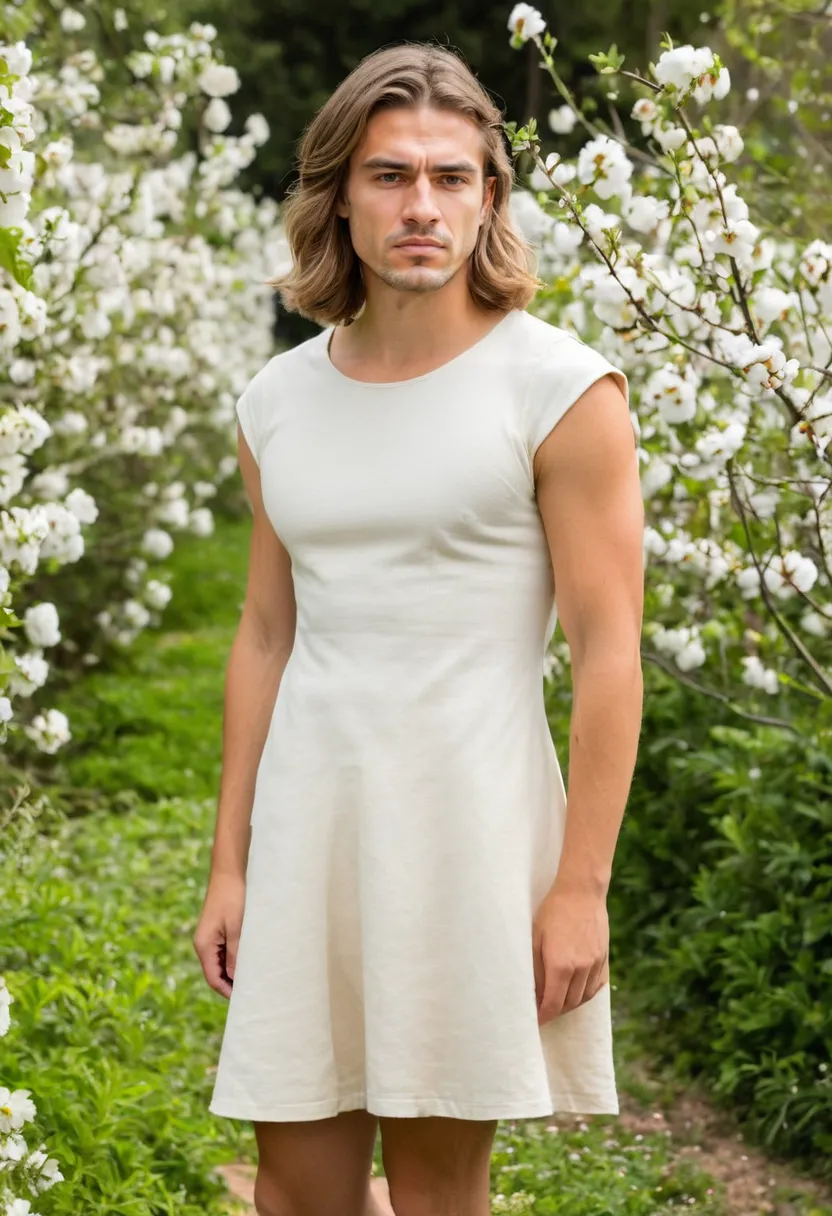
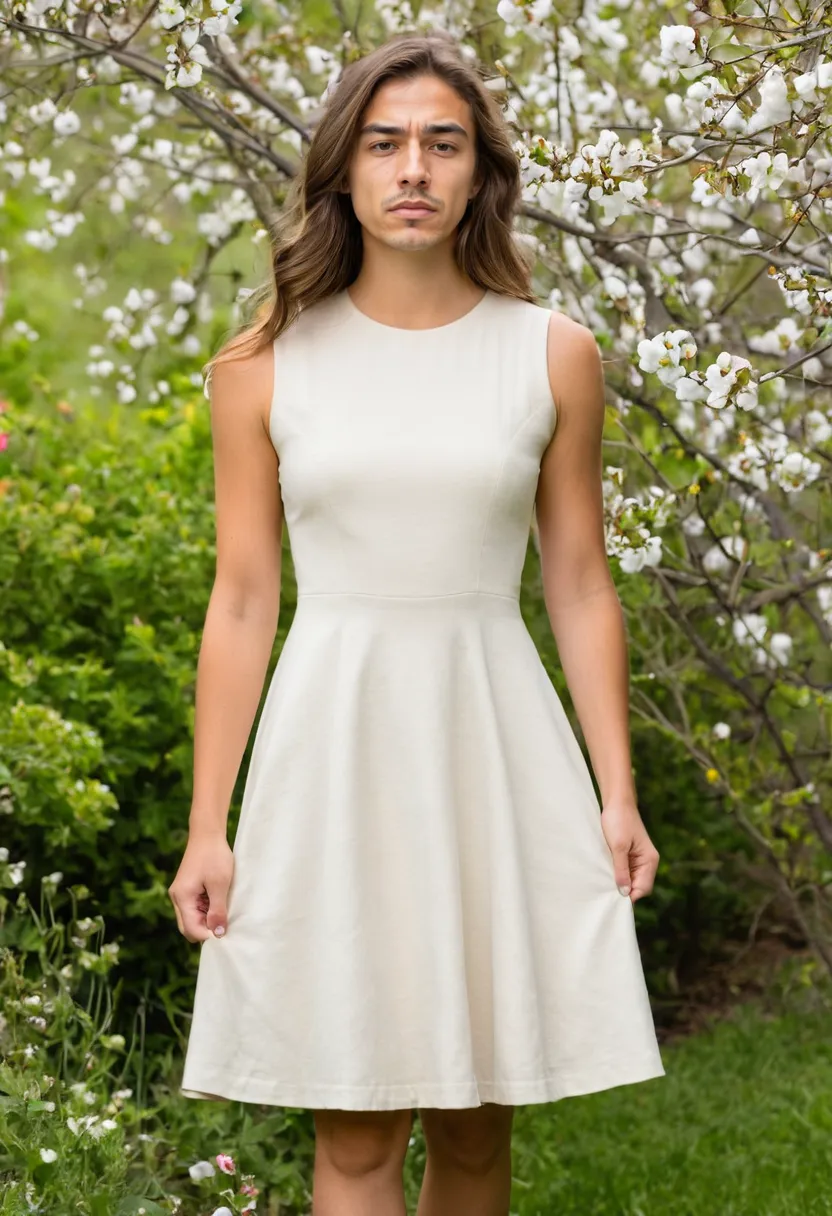
Beyond the A-line, there are several other silhouettes worth exploring. The sheath dress is a slim, straight cut that follows the body’s natural lines — ideal for those who prefer a minimalist, elongated look. The fit-and-flare is similar to the A-line but tends to have a more dramatic skirt volume, perfect for occasions that call for extra drama. The shift dress hangs loosely from the shoulders, skimming the body without clinging, making it a forgiving and easy-to-wear option. And the wrap dress, which we’ll discuss in more detail later, creates diagonal lines that flatter nearly every body type.
When considering silhouette, it helps to think about what you want the dress to emphasize. If you’d like to create a sense of waist, choose a cut with a defined seam or a tie. If you prefer to downplay the midsection, a shift or empire waist might serve you better. Shoulder width can be balanced by flared skirts; height can be emphasized with long columnar cuts or softened with tea-length hems. Try several shapes before settling on favorites — the right silhouette often surprises you.
Colors and Prints That Elevate a Pretty Dress to Stunning
If silhouette is the skeleton of a dress, color and print are its personality. A simple cut in the right hue can turn heads; a striking print can transform an ordinary silhouette into something unforgettable. For men exploring pretty dresses, color selection is a chance to experiment with a palette that may feel unfamiliar — and often rewarding.
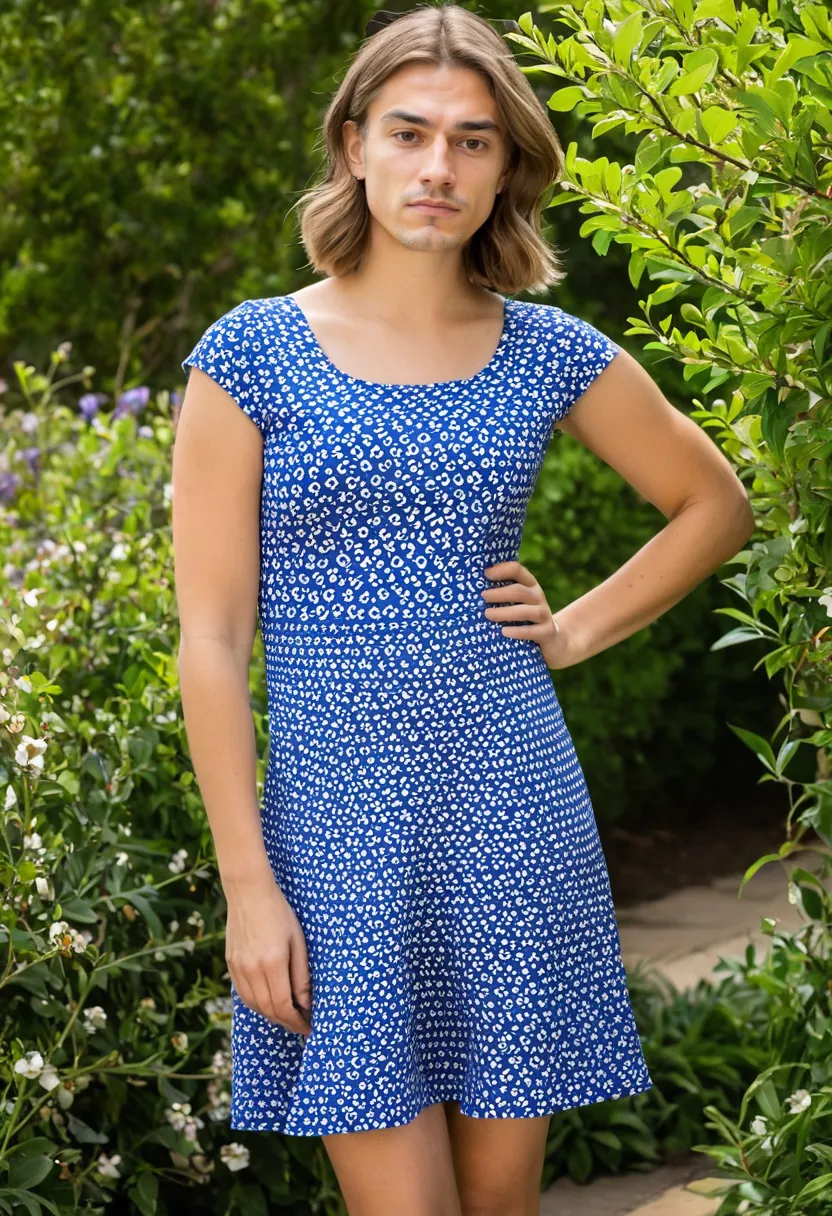
Consider a dress in vivid cobalt blue with a small white geometric print. The cobalt is bold but not overwhelming; it reads as confident and modern rather than loud. The small geometric pattern in white introduces contrast and rhythm without competing with the base color. Paired with a fitted bodice, a scoop neck, and a skirt that flares at the waist, the result is a dress that feels both structured and playful. The lightweight cotton fabric keeps everything crisp and fresh — the kind of dress that photographs beautifully and moves well through a summer day.
When choosing colors, consider your skin undertone. Warm undertones (those with peachy, yellow, or golden notes) tend to flatter colors like coral, olive, warm pinks, mustard, and ivory. Cool undertones (pink, red, or blue-based) come alive in cobalt, emerald, lavender, true white, and berry shades. Neutral undertones have the flexibility to wear almost anything. If you’re unsure, test a handful of colors in natural light and see which ones make your skin look brightest.
Prints offer another avenue for expression. Florals are a classic for a reason — they range from tiny ditsy prints that feel sweet and demure to oversized blooms that feel modern and artistic. Geometric prints like the cobalt example above bring structure and a slightly architectural feel. Polka dots are timeless and playful. Stripes — particularly thin vertical ones — can elongate the figure. Abstract prints add contemporary flair, while toile and paisley lean into romantic, vintage-inspired territory.
A good rule for print mixing: pair a bold print with solid accessories, or a solid dress with patterned accents. Scale matters too — large-scale prints make a statement, while small-scale patterns read as almost-solid from a distance, offering subtle texture rather than visual drama.
How to Choose the Right Dress Length for Your Proportions
Length is one of the most underrated variables in dress shopping. The same silhouette can feel entirely different depending on where the hem falls, and finding the length that flatters your proportions can make an enormous difference in how confident and put-together you feel. Let’s walk through the main options.
The mini length falls above the knee and reads as youthful, energetic, and casual. It works well for those who want to showcase their legs and feel the movement of a shorter hem. The knee-length option is classic and versatile, suitable for work, weddings, and casual outings alike. The midi — typically falling between mid-calf and just below the knee — has become one of the most popular lengths in contemporary fashion because it strikes an elegant balance between modest and modern.
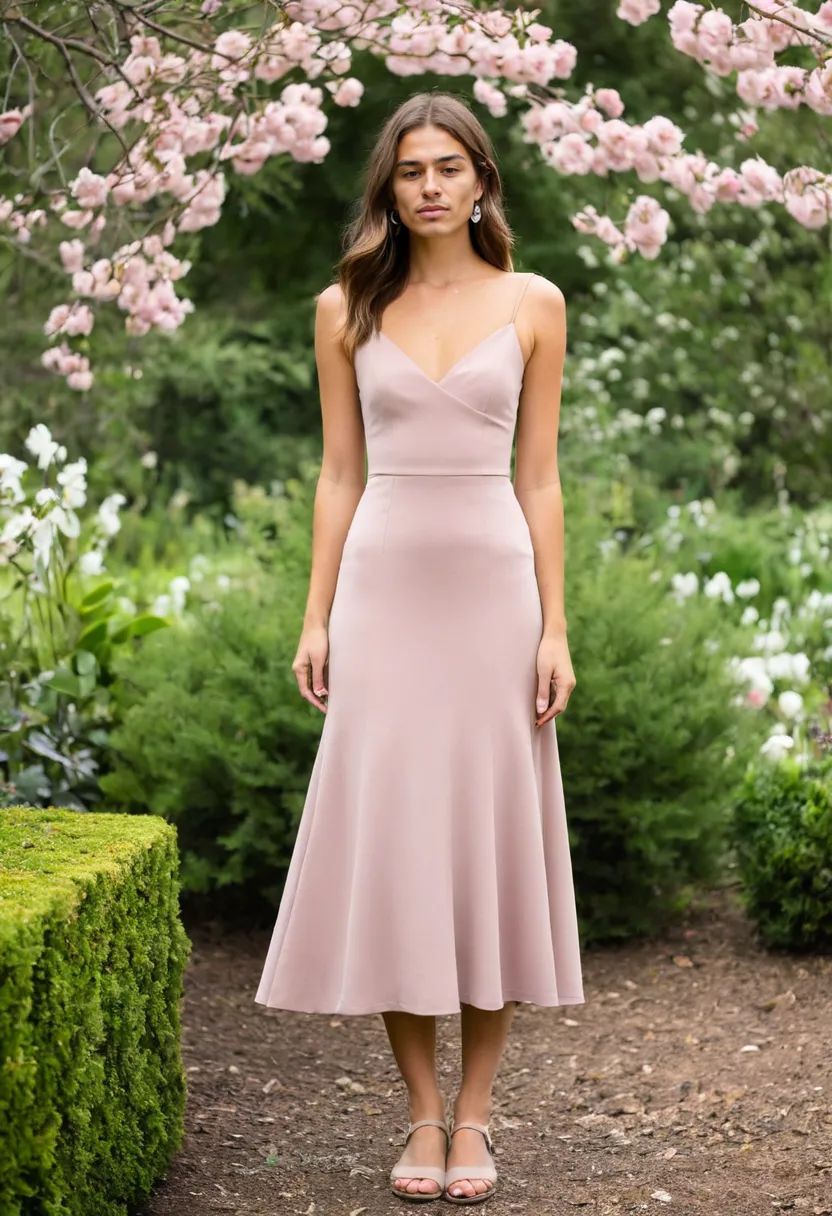
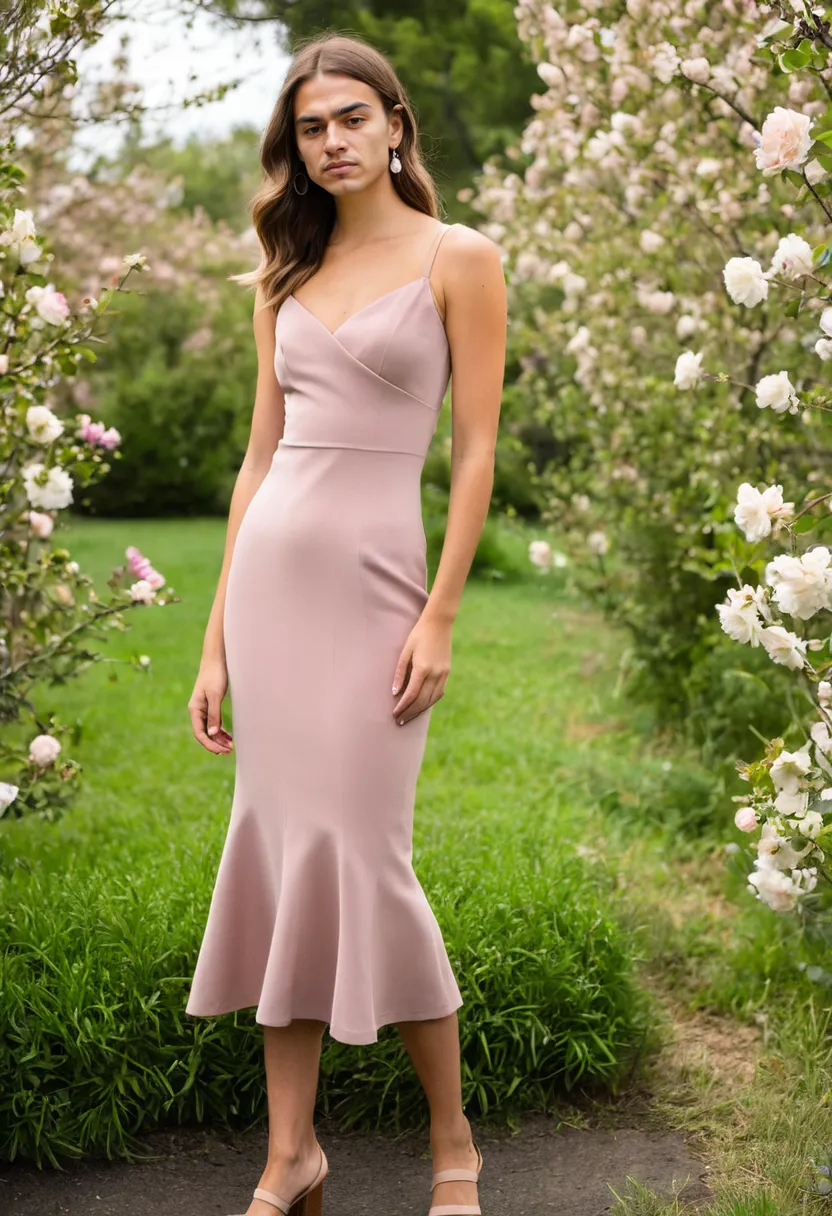
Picture a midi-length dress in soft dusty rose: the hem falls just below the knee, the bodice is fitted through the chest with a slight flare at the hip, and the lightweight crepe fabric drapes subtly against the body. The cut is clean and minimal, free from excessive detail, letting the color and proportion do the work. This kind of midi length is flattering on almost every body type because it elongates the lower leg while still offering generous coverage.
The maxi length, reaching the ankle or the floor, delivers drama and grace. Maxis work beautifully for formal events, beach weddings, and evenings when you want to feel luxurious. They also create a vertical line that can visually add height.
To choose the right length, consider your height and leg proportion. Taller individuals can often carry maxis and midis with ease, while shorter frames may feel more balanced in knee-length or carefully chosen midis that hit at a flattering point on the calf. Pay attention to where the hem lands in relation to the narrowest part of your leg — ideally just above or just below it, not right at the widest point, which can shorten the visual line. Finally, consider the occasion: a mini might be perfect for a rooftop party but out of place at a formal dinner. Length is as much about context as it is about proportion.
Styling Pretty Dresses: Shoes, Accessories & Small Details
A beautiful dress deserves equally thoughtful styling. The accessories, shoes, and small touches you add can either elevate the dress or compete with it, and the goal is always harmony rather than noise. Let’s explore how to style pretty dresses for the best overall effect.
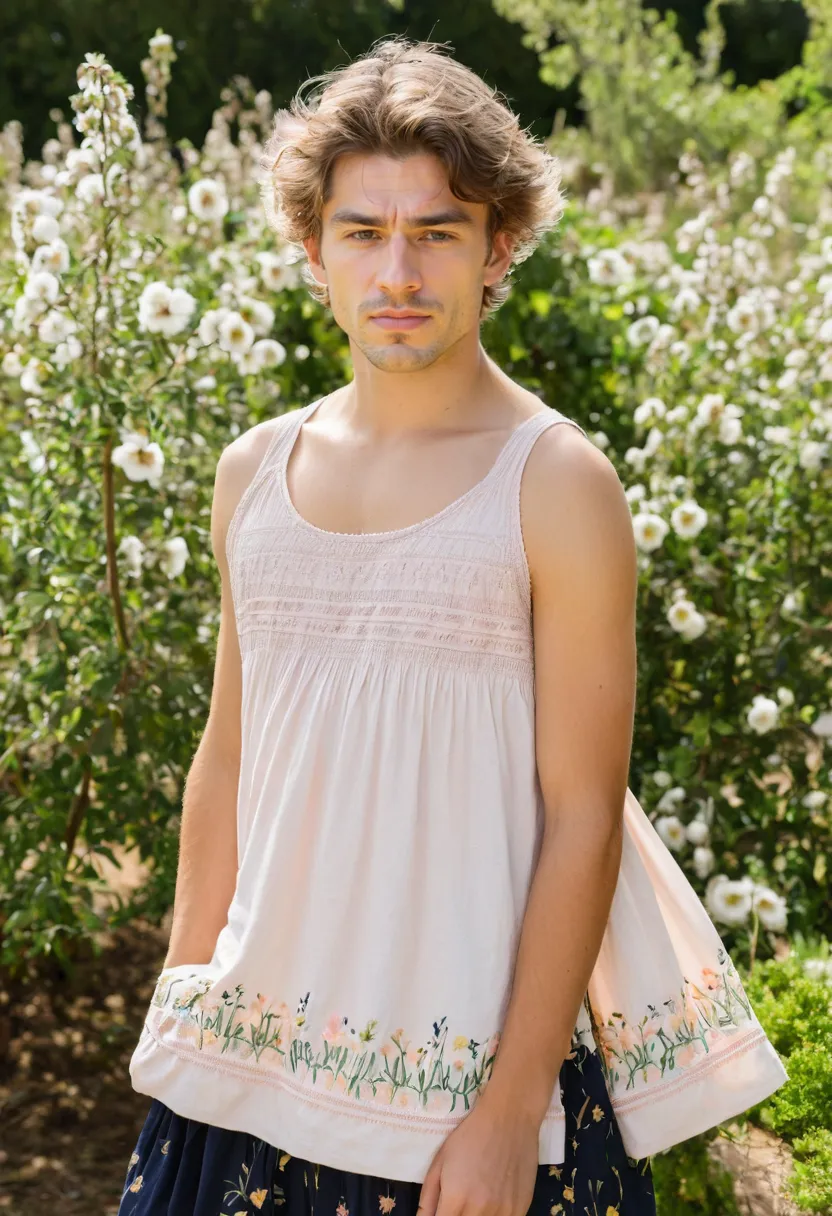
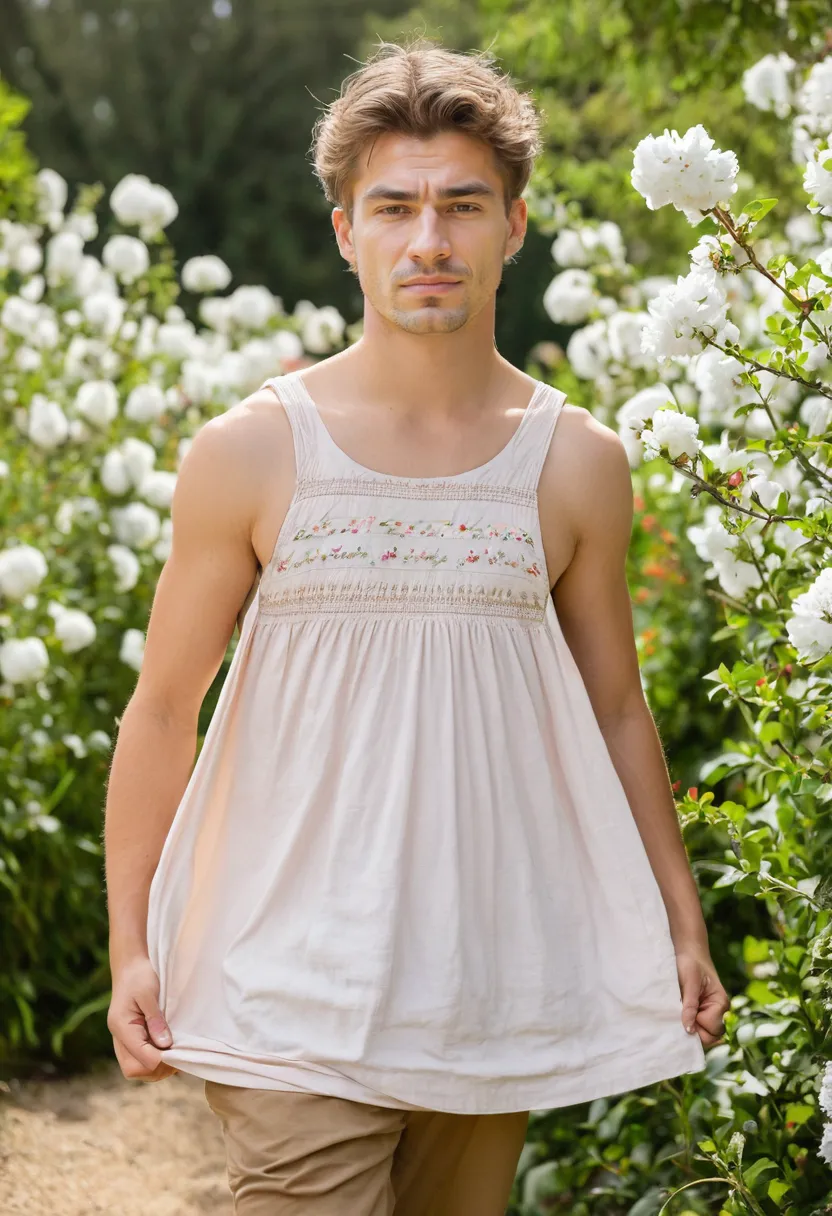
Imagine a delicate sundress in pale blush with fine embroidery at the bodice — lightweight cotton fabric, a fitted smocked bodice with elastic gathering, a full skirt with soft pleats, and thin adjustable shoulder straps. It’s a romantic, summery piece that calls for an equally gentle styling approach. Pair it with strappy leather sandals in a natural tan to maintain the soft, organic feel. A small crossbody bag in woven straw or pale leather keeps the look casual and day-appropriate. Minimal jewelry — a thin chain, small stud earrings, perhaps a delicate bracelet — lets the embroidery at the bodice remain the focal point.
Shoes are the foundation of any outfit. For pretty dresses, consider these options: ballet flats for understated elegance, block-heel sandals for comfort with a lift, strappy heels for formal occasions, white sneakers for a modern contrast that keeps the look casual, and ankle boots for transitional weather. The key is matching the shoe’s formality to the dress’s mood.
Bags should complement rather than compete. A structured mini bag in a neutral shade works across almost any dress style. Straw bags pair beautifully with florals and sundresses. Small shoulder bags with delicate chains can add a hint of elegance without overpowering.
Jewelry deserves careful consideration. With intricate dresses featuring embroidery, prints, or strong textures, less is more — a single pendant or a pair of small earrings is plenty. With simpler, solid-colored dresses, you have room to experiment with statement pieces. Layered necklaces, stacked bracelets, or bold earrings can transform a basic dress into something memorable.
Small details round out the look. A thin belt can redefine the waist of an otherwise loose dress. A lightweight cardigan or denim jacket can add casual contrast. A silk scarf tied around the neck or wrist adds a vintage touch. A hair accessory — a simple clip, a headband, or a ribbon — can tie a whole outfit together. Remember: accessories should feel intentional, not added for the sake of adding. When in doubt, remove one piece before leaving the house.
Occasions and Contexts: When and Where to Wear a Pretty Dress
One of the most common questions for anyone new to wearing dresses is deciding when and where to wear them. The answer is delightfully broad: there’s a pretty dress for almost every occasion, from weekend brunches to formal weddings. The trick is matching the dress to the setting.
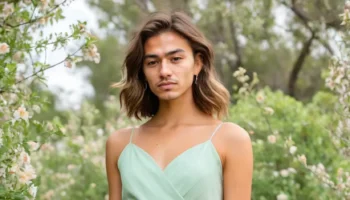
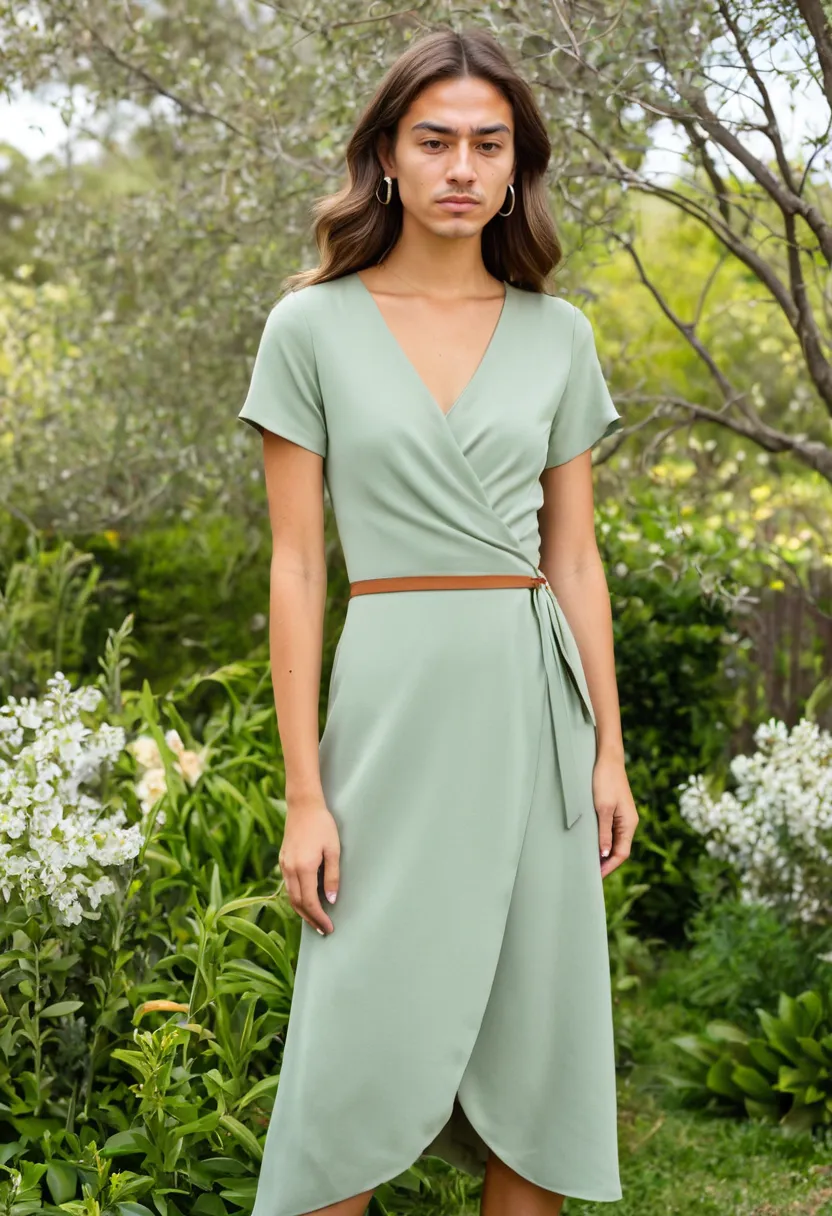
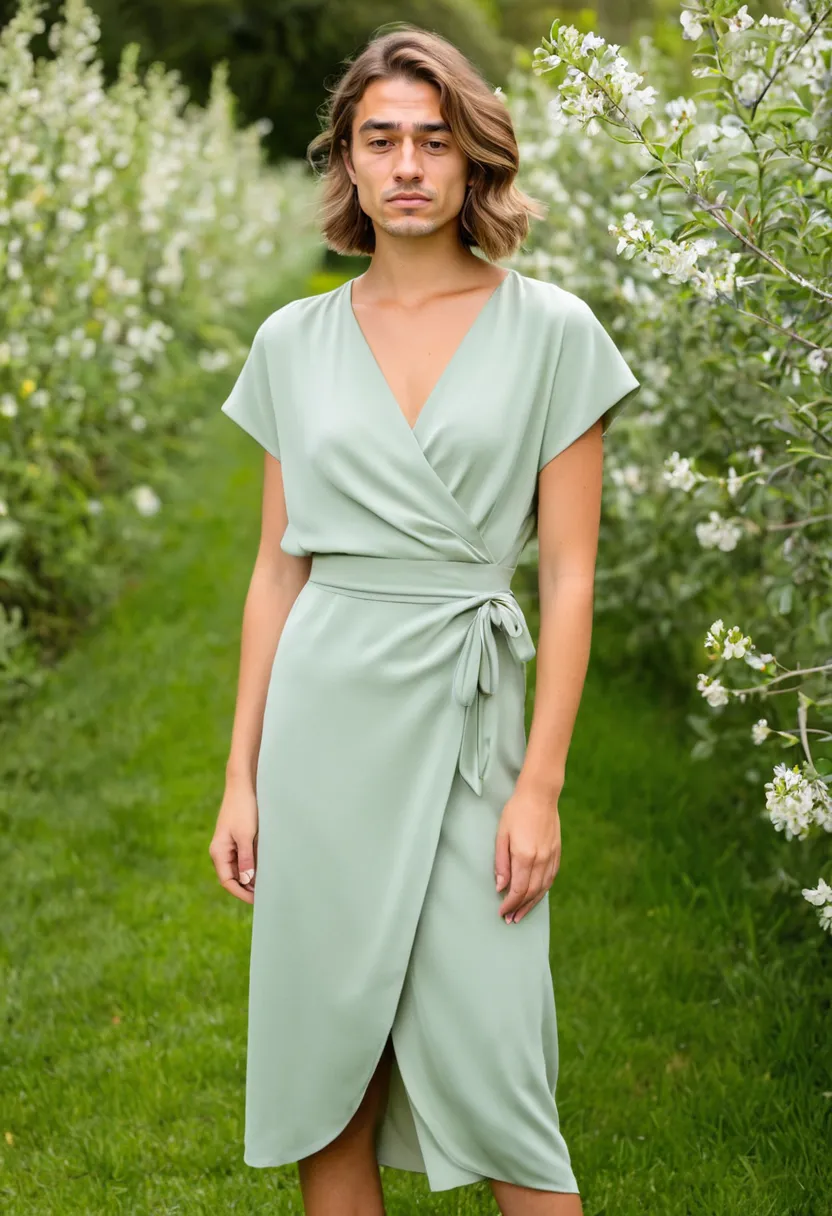
Consider an elegant wrap dress in soft sage green, made of lightweight crepe with a smooth drape, featuring a V-neckline, a wrap front that creates a diagonal fold, and a fitted waist tied at the side. The fabric falls in clean lines to a midi hem. This kind of dress is extraordinarily versatile — it can carry you through a professional lunch meeting, a garden wedding, an afternoon date, or a relaxed dinner. The soft sage green reads as sophisticated and seasonal without being loud, and the wrap silhouette flatters nearly any body type.
Casual outings — brunches, coffee dates, farmers’ markets, park walks — are ideal starting points. Choose relaxed silhouettes in breathable fabrics: cotton sundresses, shift dresses, or simple midis. Pair them with sneakers, sandals, or flats, and keep accessories minimal.
Work and professional settings vary enormously by industry, but in most cases, a midi-length dress in a solid color or subtle print works well. Wrap dresses, sheath dresses, and A-lines in muted tones feel polished without trying too hard. Layer a blazer over the top if the environment is more formal.
Weddings and formal events call for more intentional choices. Avoid pure white (reserved for the bride) and consider dress codes carefully. A floral midi in chiffon works beautifully for garden weddings; a sleek maxi in a jewel tone suits evening receptions; a wrap dress in a rich color bridges the gap between formal and relaxed.
Evenings out — dinners, concerts, parties — are chances to play with bolder choices. Deeper colors, more dramatic silhouettes, and statement accessories all shine after dark.
Travel is another excellent context. A packable wrap dress or a comfortable shift can serve as the foundation of multiple outfits, dressed up or down with different accessories. Lightweight, wrinkle-resistant fabrics are your friend.
Above all, remember that context includes your own comfort. A dress that feels fabulous in front of the mirror should also feel good to sit in, walk in, and exist in throughout the day. If you feel uneasy, the outfit won’t land, no matter how beautiful the garment. Choose pieces that match not just the occasion but also your current level of comfort and confidence — and expand from there.
Pretty dresses for men are no longer a niche idea — they’re part of a broader, richer fashion landscape in which clothing is chosen based on what feels beautiful rather than what has been assigned. From the floating chiffon of a floral midi to the structured grace of an ivory A-line, from the vivid confidence of a cobalt geometric print to the elegant simplicity of a sage wrap dress, there’s a world of stunning options waiting to be explored. The keys to success are understanding silhouette, choosing flattering colors and prints, selecting the right length for your proportions, styling with intention, and matching the dress to the occasion. But beyond the technical guidance, the most important ingredient is personal joy. A dress becomes truly pretty the moment it’s worn by someone who feels genuinely good in it. Take your time, experiment, and trust your instincts — the perfect dress is the one that makes you feel most like yourself.
Author: Emma. Photos: Alex Neuron. The material was prepared with the assistance of AI and has undergone quality review.