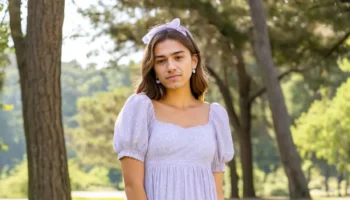
Pastel Dress Ideas for men: Soft Colors, Soft Looks, Pure Charm
There’s something undeniably magical about pastel dresses. They whisper rather than shout, they glow rather than dazzle, and they bring a kind of softness to any wearer that feels both dreamlike and grounded in romance. For men exploring feminine fashion, pastel dresses offer one of the most flattering and approachable entry points into the world of soft, delicate style. These colors — think whispered lilacs, breathy blush pinks, cool mints, and buttery lemons — have a way of transforming not just an outfit, but the entire mood of a look. They invite gentleness. They soften features. They make sunlight linger a little longer on fabric. In this photo gallery and guide, we’ll explore pastel dress ideas men can draw inspiration from, covering everything from color theory and fabric choices to styling tips, mixing shades, and accessorizing without overpowering the inherent tenderness of these looks. Whether you’re drawn to the ethereal romance of chiffon or the clean elegance of smooth jersey, there’s a pastel dress personality waiting to be discovered.
The Soft Power of Pastel: Why These Colors Feel So Feminine
Pastels have a long and deeply rooted association with femininity, and understanding why can help you appreciate the transformative effect they bring to any wardrobe. At their core, pastels are diluted versions of primary and secondary colors — hues softened with white, creating that signature dreamy, low-saturation appearance. Unlike bold, assertive colors that demand attention, pastels invite it. They suggest delicacy, tenderness, and approachability. For men experimenting with feminine presentation, these tonal qualities translate directly into a softened visual persona.
The psychology behind pastels is fascinating. Soft pink has been linked to nurturing and gentleness. Mint green evokes calmness and renewal. Lavender carries a sense of whimsy and dreaminess, while pale yellow radiates warmth and optimism. When these colors appear on flowing fabrics — especially on a body not traditionally associated with feminine dressing — the contrast creates something uniquely beautiful. The softness of the color can highlight bone structure differently, create a gentler silhouette through light reflection, and bring out warmth in the skin that bolder colors might wash away.
There’s also a cultural element. Pastels are often associated with spring, with gardens in bloom, with first dates and romantic beginnings. They carry a nostalgic quality — reminiscent of vintage romance, storybook illustrations, and delicate porcelain. When a man chooses to wear pastels, he’s engaging with this entire visual tradition, stepping into a lineage of softness that has historically been reserved for a narrow definition of beauty. Breaking that boundary isn’t just about fashion; it’s about claiming access to gentleness as a valid mode of self-expression. Pastel colors welcome anyone who wants to explore that softer side, regardless of gender or conventional expectation.
Gallery: men in Pastel Dresses That Are Purely Charming
Some looks simply speak for themselves, and pastel dresses on men fall firmly into that category. In our first gallery highlight, imagine a man wearing a pastel mint green chiffon dress — the kind of fabric that catches the slightest breeze and responds with graceful movement. The chiffon is delicate and lightweight, carrying a soft sheen that picks up the ambient light without ever becoming shiny or distracting. The dress falls to midi length with a full skirt that creates gentle volume below a fitted bodice held up by thin, barely-there straps.
What makes this look so purely charming is the way the fabric cascades in soft folds rather than stiff pleats. The mint green tone — cool, calming, and just slightly whimsical — feels like it belongs in a blooming garden, which is exactly where these photographs take place. The soft focus of the background lets the dress become the emotional center of the image, while hints of blossoms in the distance add to the fairytale atmosphere.
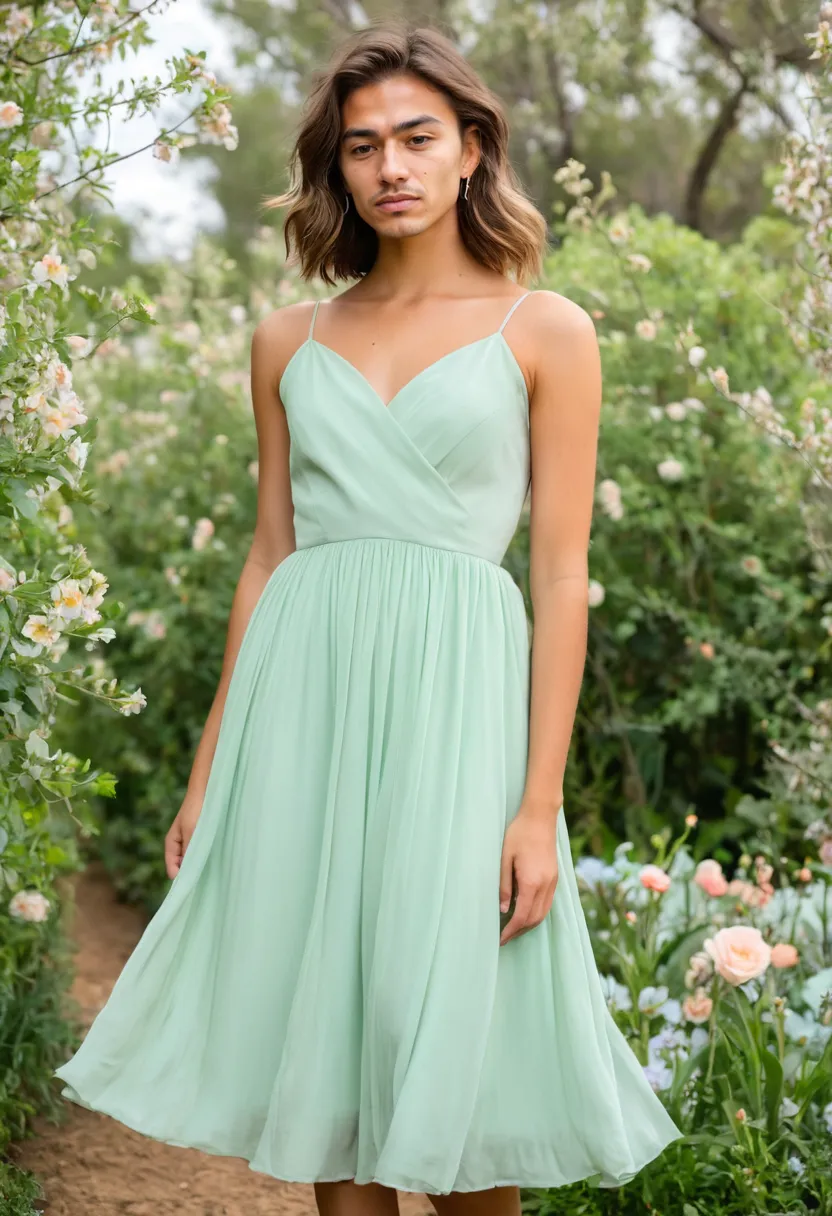
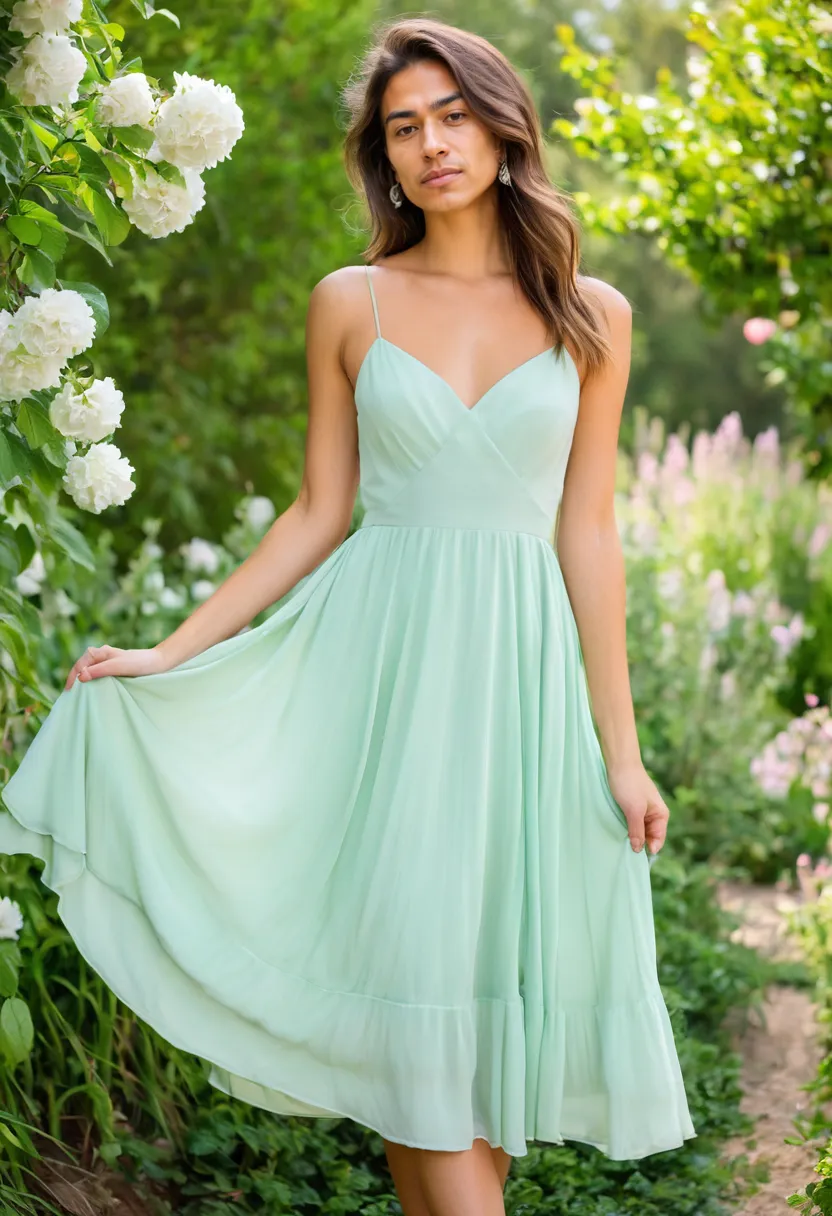
What’s striking about looks like these is how naturally pastel dresses read on male frames. The soft cascade of chiffon softens angular shoulders. The fitted bodice flatters the waist. The midi length creates elegant proportion. And the color — that whispered mint — refuses to compete with the wearer. Instead, it enhances. It flatters. It creates that rare fashion moment where outfit and person feel entirely unified in their softness. This is the magic men in pastel dresses can access the moment they choose to try.
Lilac, Blush, Mint & Lemon – Understanding Each Pastel’s Mood
Not all pastels are created equal, and each shade carries its own distinct personality. Understanding these subtle differences helps you choose a dress that aligns with the mood you want to project. Let’s break down the four most iconic pastel families and what makes each one special.
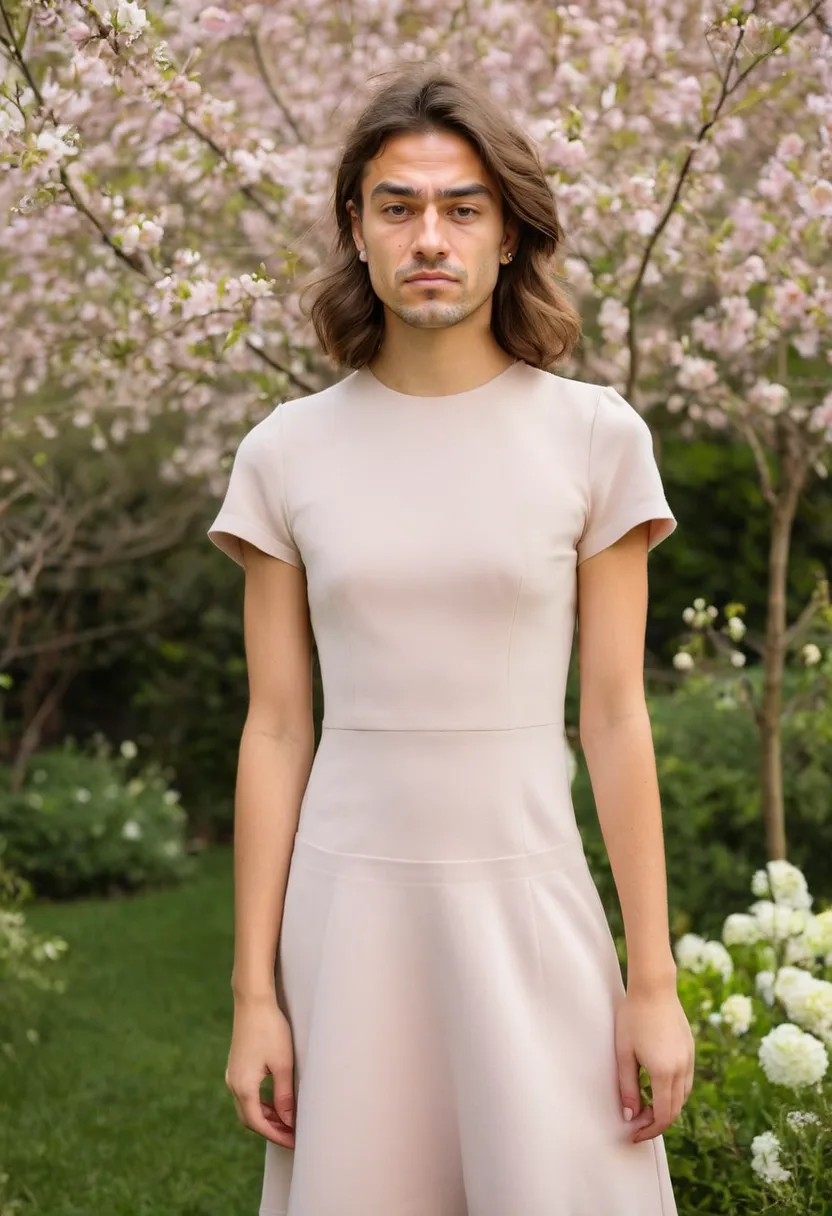
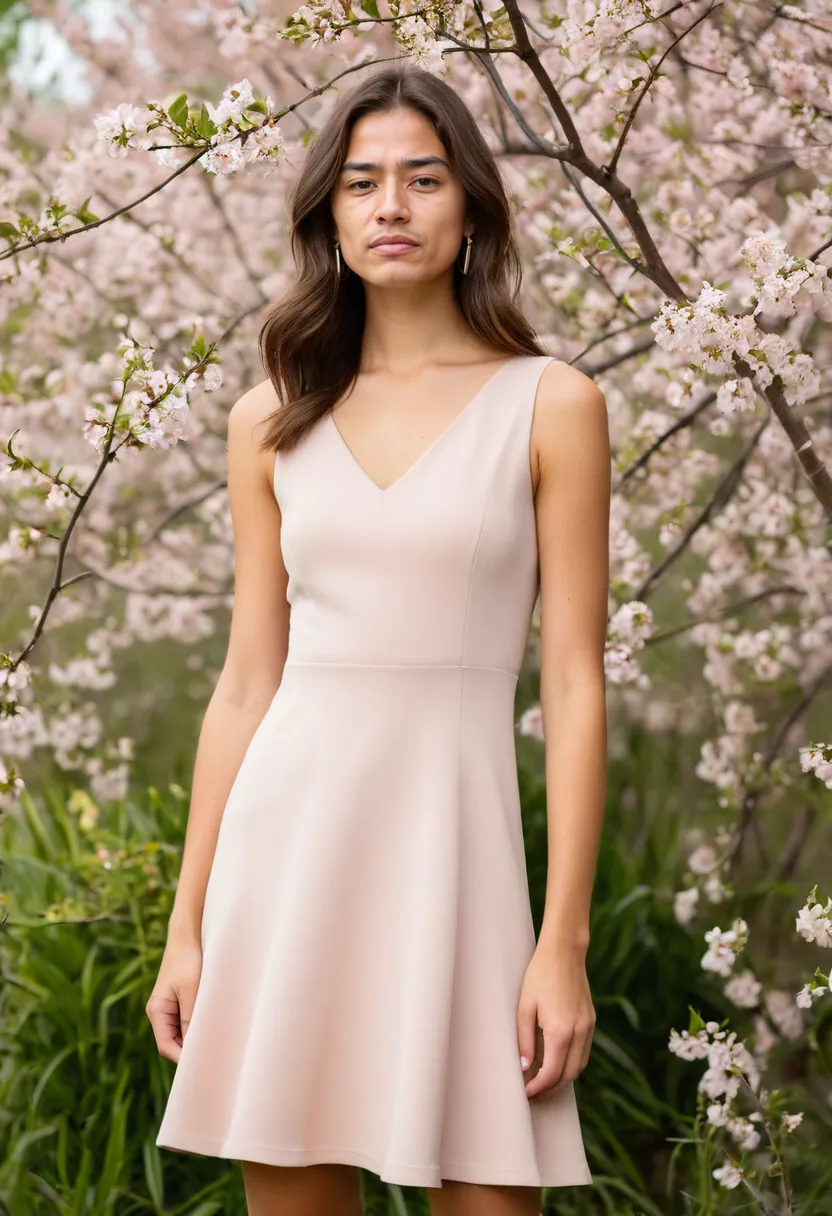
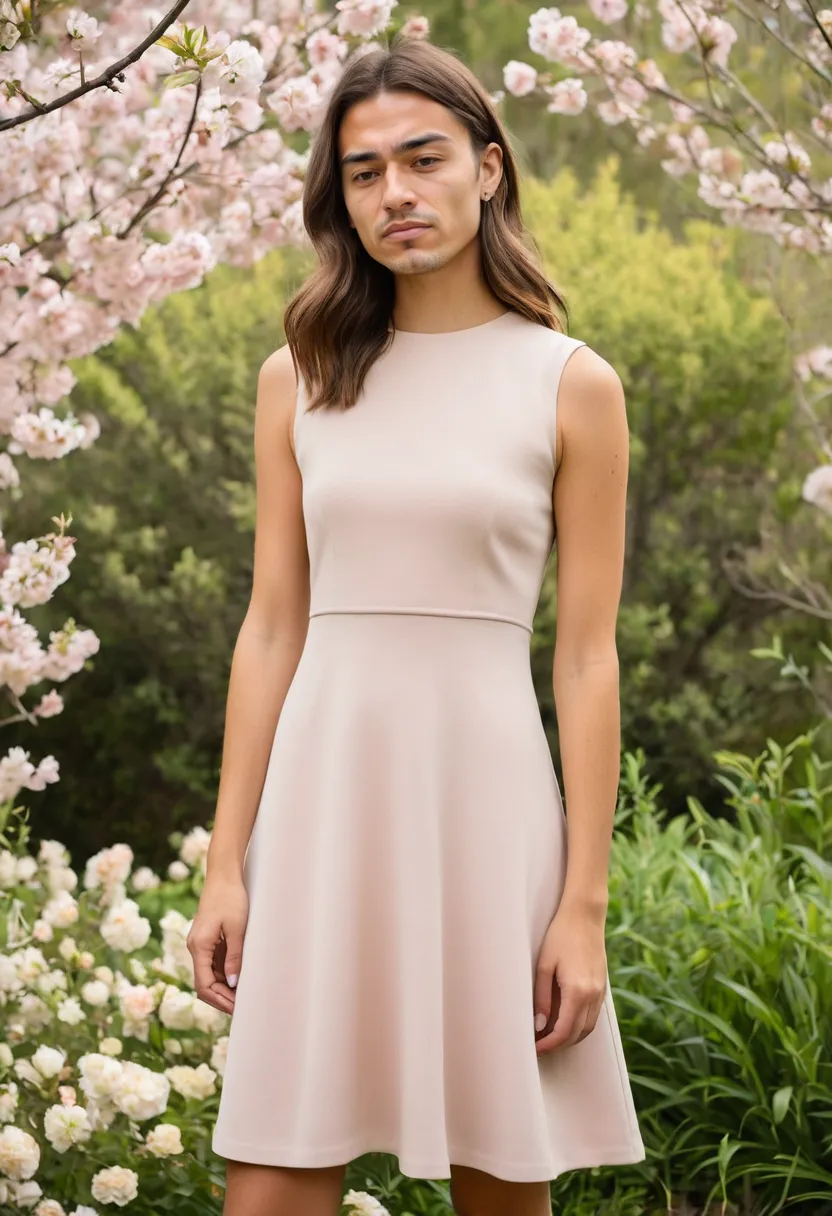
Blush Pink is perhaps the most classically feminine pastel. A soft blush dress in lightweight crepe — pale pink with a warm undertone — creates an immediately romantic impression. When shaped into a fitted A-line silhouette with slight stretch and a smooth matte finish, blush becomes sophisticated rather than saccharine. The clean, minimal design lets the delicate pastel color take center stage without any distracting elements. This is a versatile pastel that works for almost any skin tone because of that subtle warm undertone.
Lilac brings a dreamy, otherworldly quality. This pale purple sits between pink’s warmth and blue’s coolness, creating a balanced hue that feels both feminine and slightly mysterious. Lilac photographs beautifully in natural light and pairs wonderfully with floral backdrops.
Mint Green is the refresher of the pastel family. Cool, calming, and slightly unexpected, mint offers a break from the pink-purple spectrum while still feeling completely feminine. It reads as youthful and optimistic, perfect for spring occasions or garden settings.
Pale Lemon is the sunshine of pastels. It’s joyful, warm, and radiant — a color that literally brightens the wearer’s face. Lemon pastel tends to work best in fabrics that allow the color to glow rather than dominate, making lightweight chiffons and silks ideal.
When choosing between these shades, consider your undertones (warm skin loves blush and lemon; cool skin glows in lilac and mint), the occasion, and the mood you want to create. Each pastel tells a slightly different story — and you get to choose which one you’re telling today.
How Pastel Dresses Photograph: Tips for Beautiful Shots
If you’re planning to document your pastel dress moments — whether for personal memory or to share online — there are some photography principles that will help your images truly sing. Pastel colors are uniquely responsive to light, which is both their greatest gift and their biggest challenge.
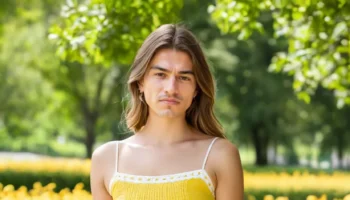
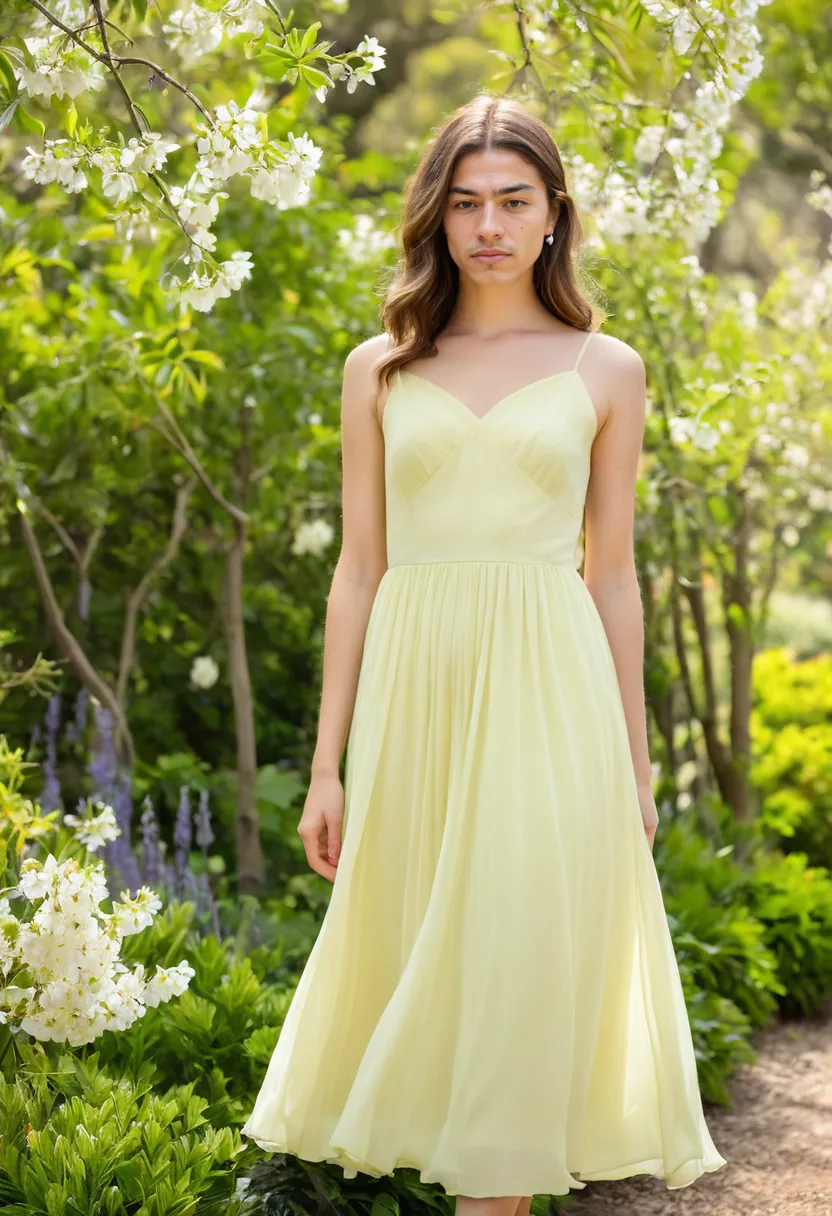
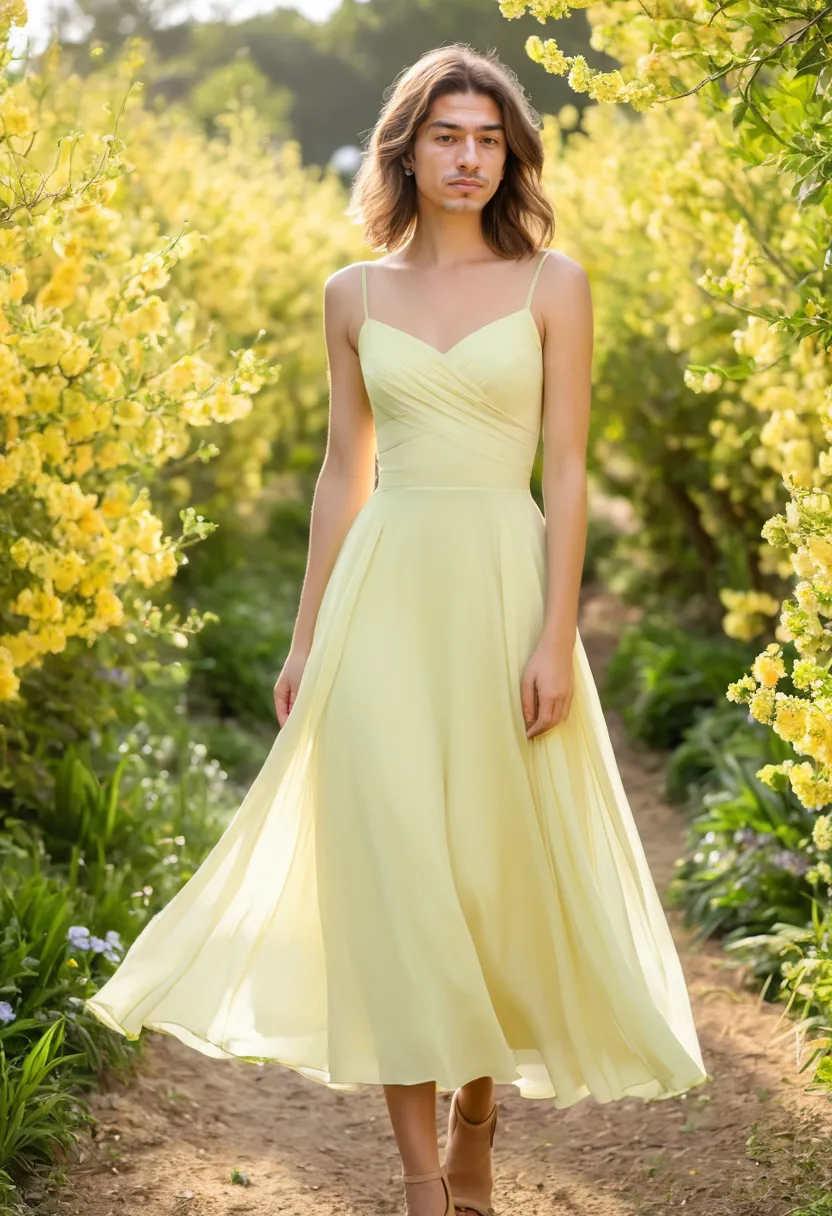
Consider a man wearing a pale lemon yellow chiffon dress. The ultra-lightweight fabric glows softly in natural light, appearing almost luminous against surrounding greenery. The midi length with its full, flowing skirt creates ethereal movement, while the fitted bodice grounds the look. This is the kind of dress that demands — and rewards — thoughtful photography.
Lighting is everything. Pastels come alive in soft, diffused natural light — think early morning or late afternoon, the so-called “golden hour.” Harsh midday sun can wash out pastels or create unflattering shadows. Overcast skies, surprisingly, are your best friend; they act like a giant softbox, letting pastel colors retain their full subtlety.
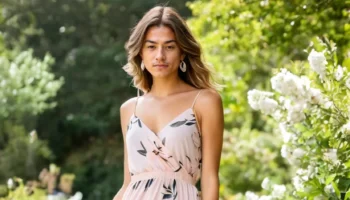
Choose flattering backdrops. Blooming gardens, as seen in our gallery images, are practically made for pastel dresses. The soft focus creates depth, the natural colors complement rather than clash, and the romantic atmosphere matches the mood of the outfit. Other excellent backdrops include pale walls, old stone architecture, green fields, and beach settings at dawn.
Keep your composition simple. Pastels need room to breathe. Avoid cluttered backgrounds that compete with the gentle colors of your dress. Let the softness speak for itself.
Mind your angles. Slight low angles can emphasize the flow of a full skirt. Slightly elevated angles work well for highlighting bodice details. Movement shots — walking, twirling, reaching toward a flower — bring pastel chiffon to life.
Finally, resist the urge to over-edit. Pastels are already delicate; heavy filters can tip them into something artificial. Gentle brightness adjustments and mild warmth boosts are usually all you need to let the colors glow.
Mixing Pastels: When Two Soft Shades Work Together Perfectly
While single-shade pastel dresses have their own elegant appeal, there’s something particularly delightful about dresses that combine two pastels in harmonious conversation. Color-blocked pastels can create visual interest without sacrificing softness — as long as the shades are chosen with care.
Picture a dress with a soft lavender bodice flowing into a pale pink skirt. The two complementary pastels meet at the waist seam, creating a beautiful color transition that feels playful yet refined. The lightweight satin-finish fabric catches light just slightly, adding a gentle luminosity to both colors. The fitted bodice flows into a full skirt at the waist, creating that classic hourglass silhouette that works so beautifully with dual-tone design.
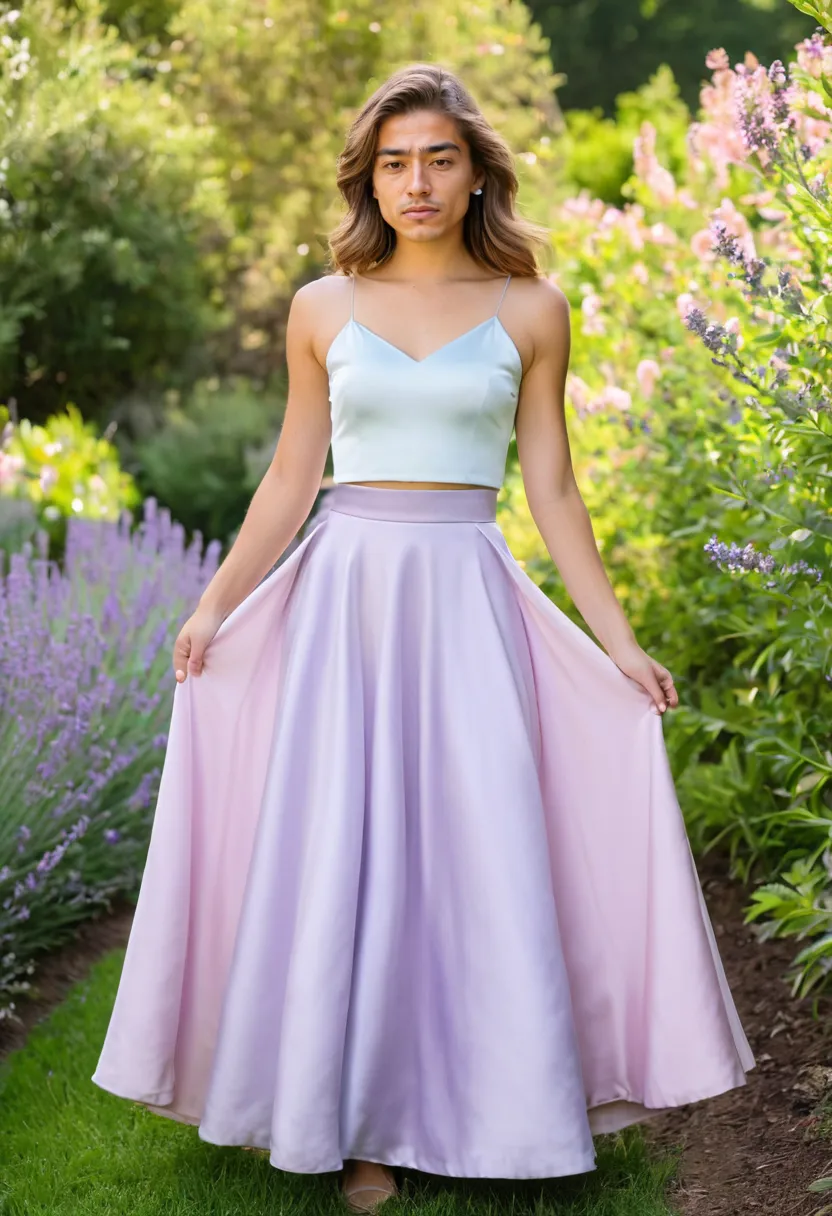
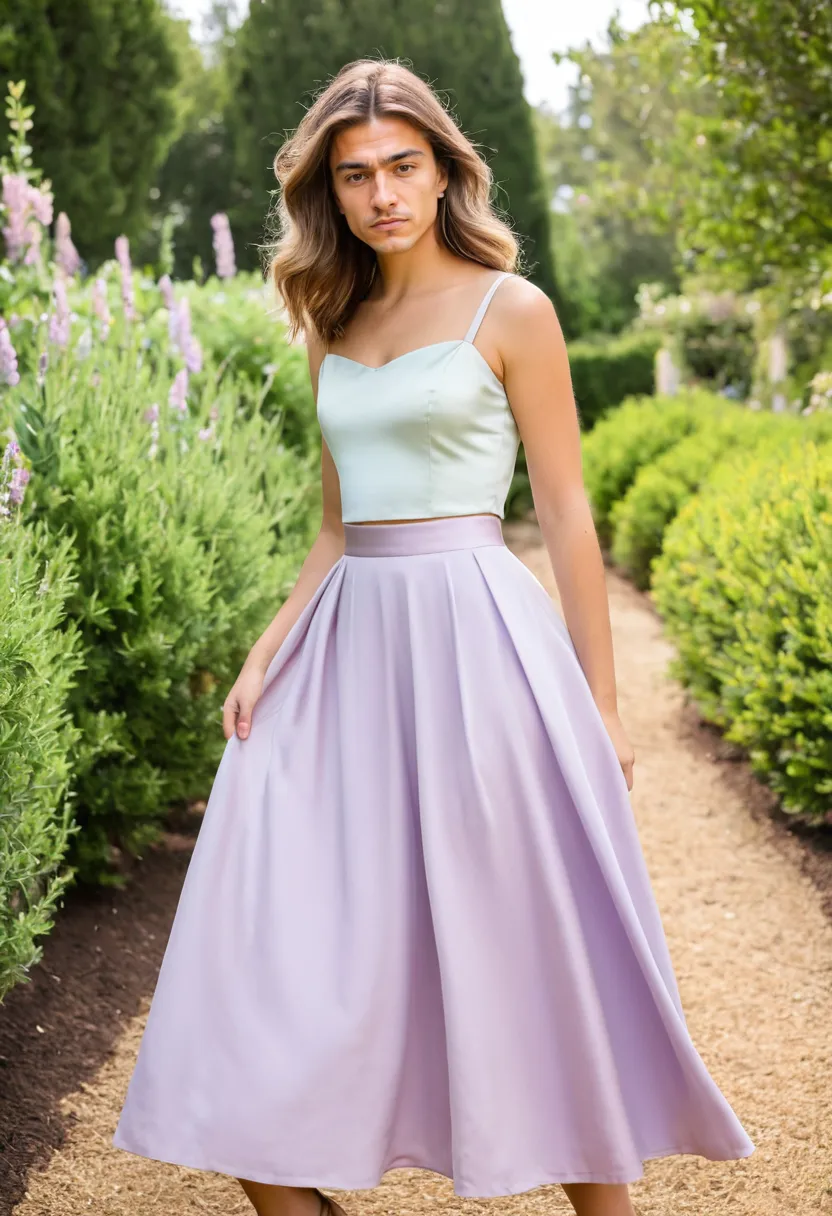
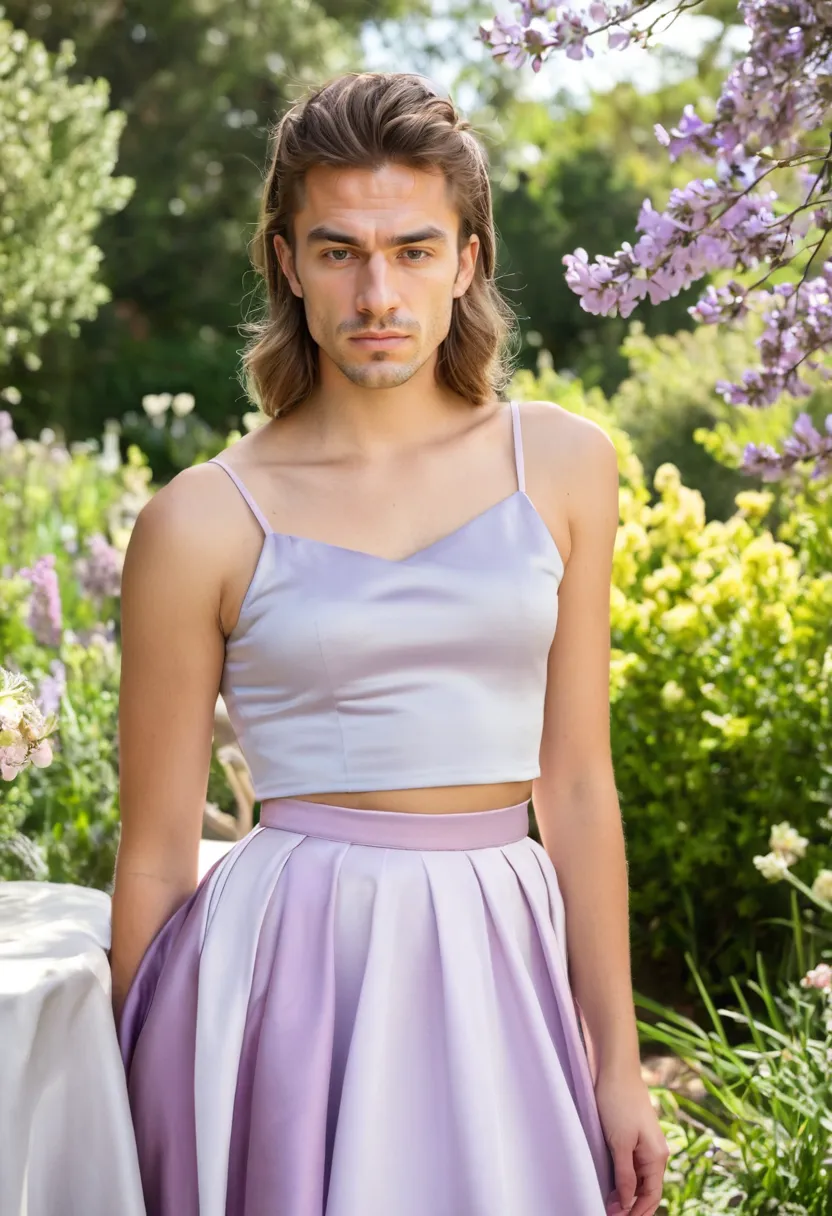
The key to successful pastel mixing lies in understanding which colors belong to the same “family” of undertones. Pastels with similar temperature — all warm, or all cool — tend to harmonize effortlessly. Lavender and blush pink work because both share a soft warmth. Mint and pale blue work because both carry coolness. Lemon and peach work because they live in the same sunny warm family.
Contrast pairings can also succeed, but they require more careful calibration. Mint paired with blush creates a fresh, spring-morning feeling. Lavender paired with lemon creates a sweeter, candy-like effect that’s perfect for whimsical occasions. The trick is keeping saturation levels consistent — two equally soft pastels will always look more balanced than one pastel paired with a nearly-saturated hue.
For men experimenting with mixed pastels, color-blocked dresses offer a particular advantage: the shift in color can highlight flattering body lines. A darker pastel bodice with a lighter pastel skirt, for example, draws the eye upward. A lighter bodice with a fuller, deeper-toned skirt creates a sense of grounded elegance. Let the color placement work for your silhouette, and the whole look will feel intentionally designed around you.
Accessories for Pastel Dresses That Don’t Overpower the Look
The final piece of the pastel puzzle is accessorizing — and here, restraint is everything. Because pastel dresses create such a gentle, dreamy visual field, heavy or high-contrast accessories can disrupt the harmony you’ve carefully built. The goal is to enhance, not compete.
Consider a simple pastel blue midi dress in smooth jersey fabric — a clean, minimal silhouette in soft periwinkle blue, fitted through the body with a gentle flare at the hem. This kind of understated pastel dress is a perfect canvas to demonstrate accessory principles, because every addition shows clearly against the quiet backdrop.
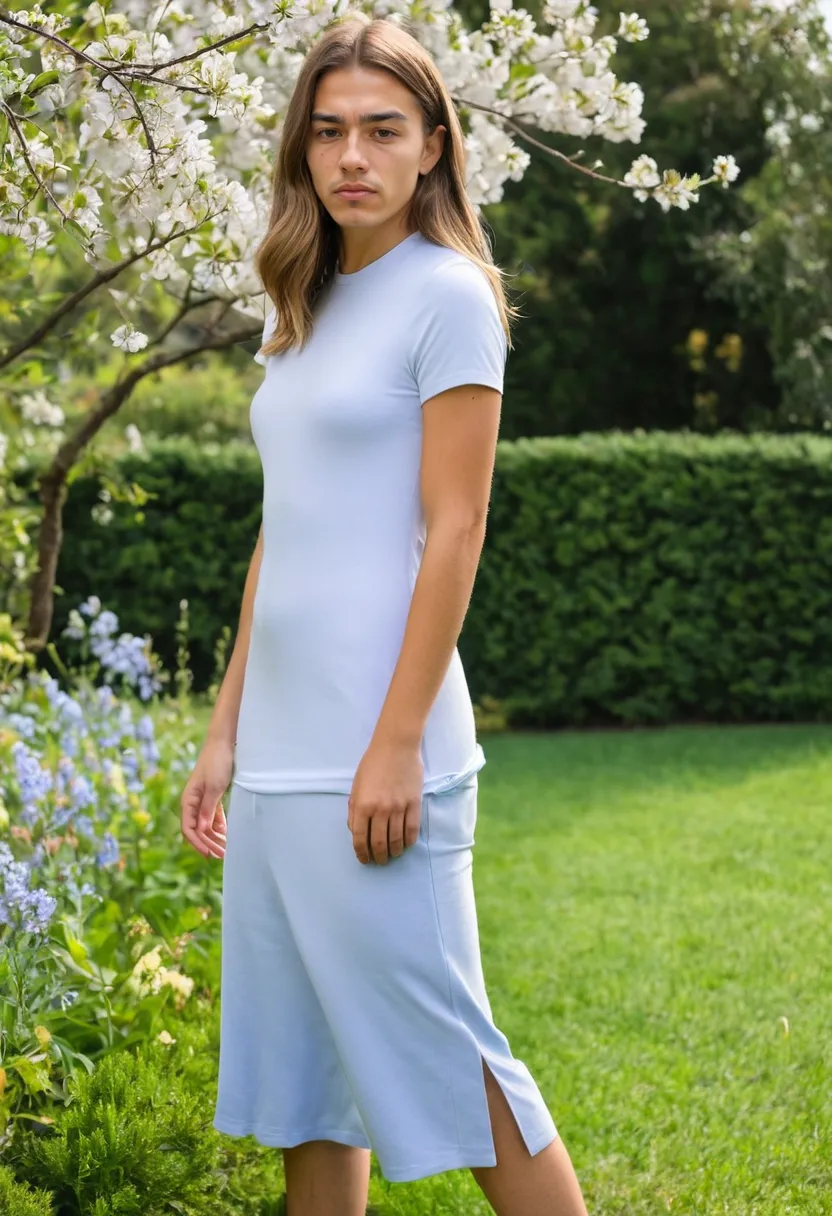
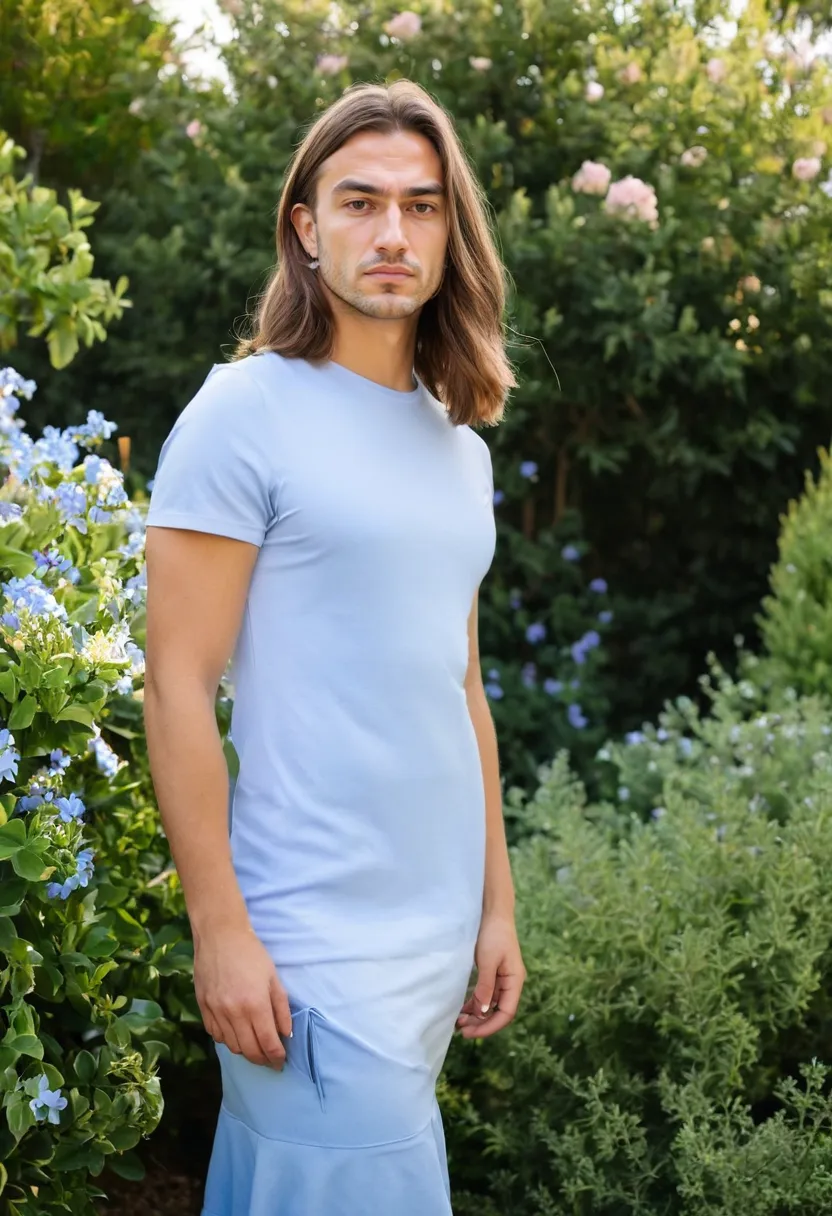
Jewelry should whisper. Delicate chains, small pearl earrings, thin bracelets, and minimalist rings all work beautifully with pastel dresses. Avoid chunky statement pieces in bold colors or heavy metals. If you want a focal point, try a single dainty necklace or a pair of small pearl studs — nothing that demands attention.
Shoes should complement, not contrast. Nude tones, soft whites, metallic golds in rose or champagne, or shoes in another pastel hue all work well. Avoid black shoes with pastel dresses unless you’re specifically going for a contrast look; the darkness can create a visual weight that anchors the entire outfit downward.
Bags in neutral tones — cream, beige, soft taupe, pale pink — keep the focus where it belongs. A small clutch or delicate crossbody feels proportionate to the softness of the dress.
Hair and makeup should continue the pastel mood. Soft, natural styling works best. Loose waves, braids woven with ribbon, or gentle updos all harmonize. For makeup, if you choose to wear it, think dewy skin, soft pink or peach cheeks, and neutral lips rather than bold statement colors.
Consider what you don’t add. Sometimes the most powerful styling choice is restraint. A single flower tucked behind the ear. Bare arms unadorned by bracelets. Minimal makeup that lets the pastel glow speak for itself. Pastel dresses have an inherent completeness that accessories should serve rather than lead.
Pastel dress ideas for men are fundamentally about embracing softness as a valid, beautiful form of self-expression. From the cascading mint chiffons to the warm blush crepes, from dreamy lilacs to sun-kissed lemons, from color-blocked combinations to whisper-quiet single shades — the pastel palette offers endless possibilities for men who want to explore gentler, more feminine looks. These aren’t just outfits; they’re invitations into a different kind of beauty, one built on delicacy, warmth, and quiet confidence. Whether you’re stepping into your first pastel dress or adding to a growing collection, remember that softness is a strength, not a compromise. The right pastel dress doesn’t hide who you are — it reveals a tender, radiant dimension of you that deserves to bloom.
Author: Emma. Photos: Alex Neuron. The material was prepared with the assistance of AI and has undergone quality review.