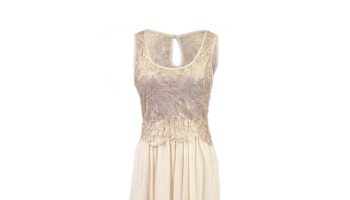
Pink Goddess Dress: Always in Style
Few silhouettes carry the same effortless drama as a pink goddess dress. Whether rendered in soft blush chiffon, deep rose satin, or pale dusty pink crepe, the goddess-style gown has remained a consistent presence in formal and semi-formal fashion for decades. Its defining characteristics — a floor-length hem, fluid draping, and a silhouette that moves with the body — make it one of the more versatile choices for anyone looking to make an impression without sacrificing comfort or wearability.
This editorial looks at a curated selection of pink goddess dress styles, exploring how different cuts, fabrics, and accessories shape the overall look. Whether you’re drawn to the minimalist end of the spectrum or prefer something with more embellishment, the images below offer a useful range of reference points.
What Defines the Goddess Dress Silhouette
The term “goddess dress” typically refers to a long, draped gown inspired by classical Greco-Roman aesthetics. Key design elements include gathered or pleated fabric at the waist or bust, a flowing skirt that falls to the floor, and often a one-shoulder or empire-waist construction. In pink, these elements take on a softer, more romantic quality compared to the same silhouette rendered in white or gold.
Pink works particularly well in this format because the color naturally complements the lightness of flowing fabrics. Lighter pinks — blush, petal, and champagne-pink — tend to photograph well and suit a wide range of skin tones. Deeper pinks, including fuchsia and dusty rose, bring more contrast and visual weight to the silhouette, which can be useful when the dress itself is relatively simple in construction.
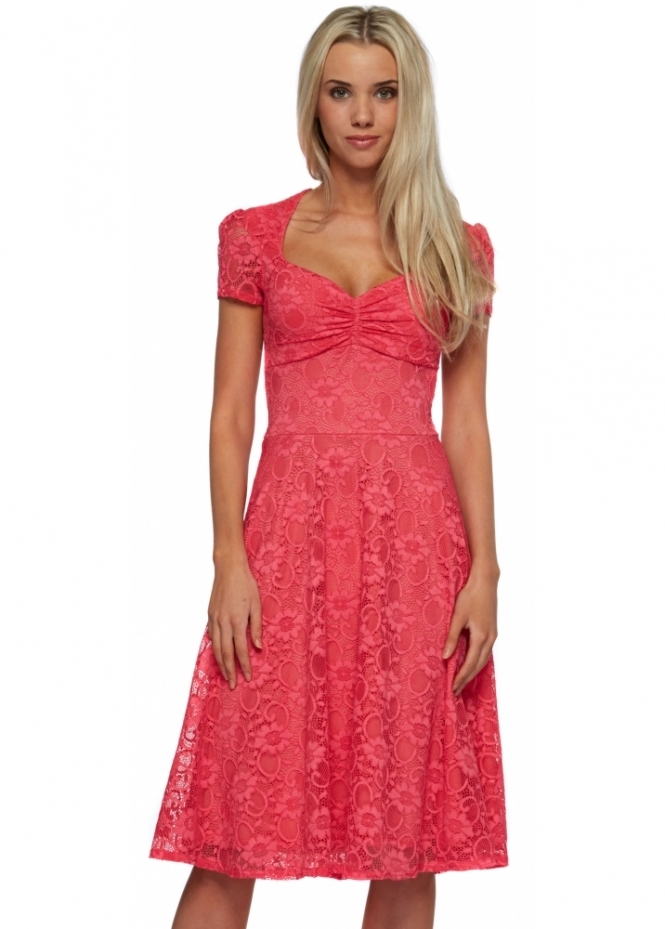
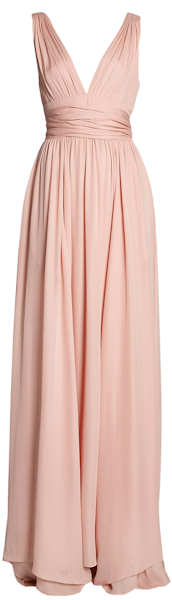
This first look demonstrates how a soft pink tone can anchor a full-length draped silhouette without overwhelming it. The fabric appears lightweight and fluid, which is characteristic of chiffon or georgette — both popular choices for this style of gown. Notice how the draping falls naturally from the waist, creating movement without bulk.
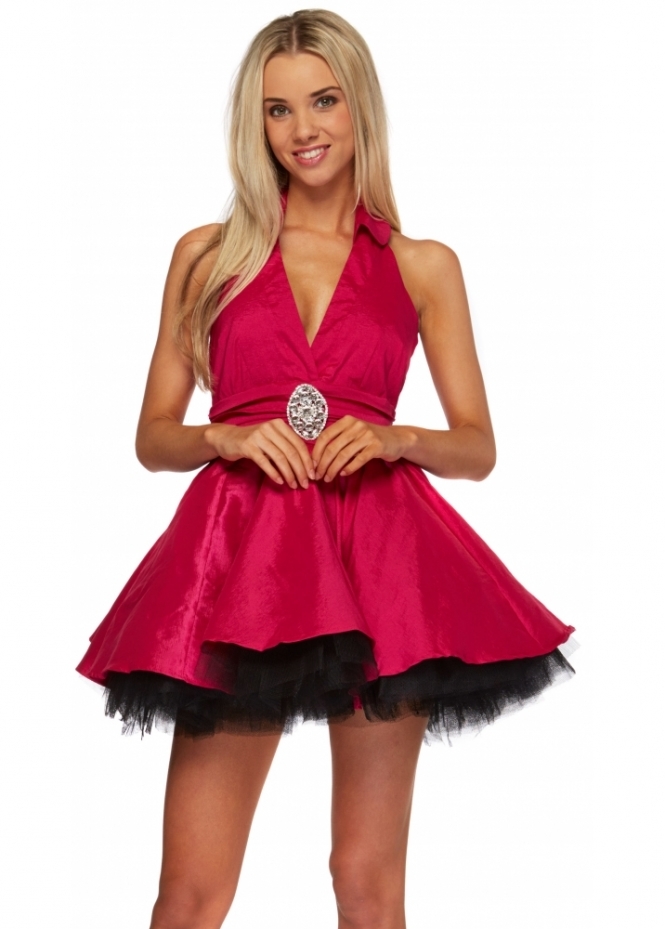
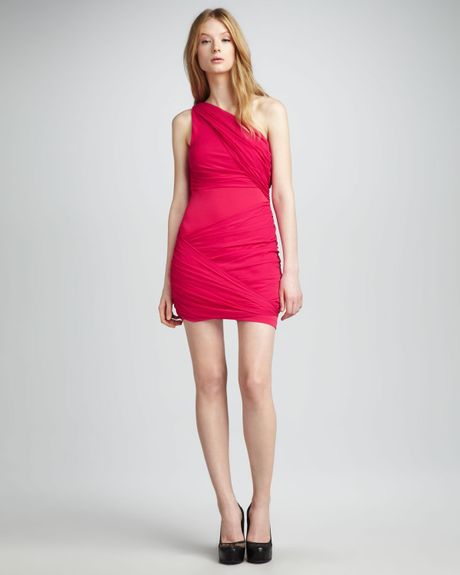
A slightly deeper pink shade here gives the gown more presence. The construction appears more structured at the bodice, which provides a useful contrast to the softer skirt below. This kind of balance — fitted on top, relaxed through the skirt — is one of the most flattering approaches to the goddess silhouette and works well across a range of body types.
Styling the Pink Goddess Dress
One of the reasons this silhouette has stayed relevant is how adaptable it is to different styling approaches. For a formal event, pairing a pink goddess dress with metallic heeled sandals and minimal jewelry keeps the focus on the gown itself. For a less formal setting, flat strappy sandals and a simple clutch can bring the look down to a more relaxed register without losing its elegance.
Hair and makeup choices also play a significant role. Updos and swept-back styles tend to complement the neckline of most goddess gowns, particularly one-shoulder or off-shoulder versions. Loose waves work equally well and add to the overall fluidity of the look. In terms of makeup, the pink tones in the dress tend to pair naturally with warm, neutral palettes, though a bold lip in a complementary rose or berry shade can add definition.
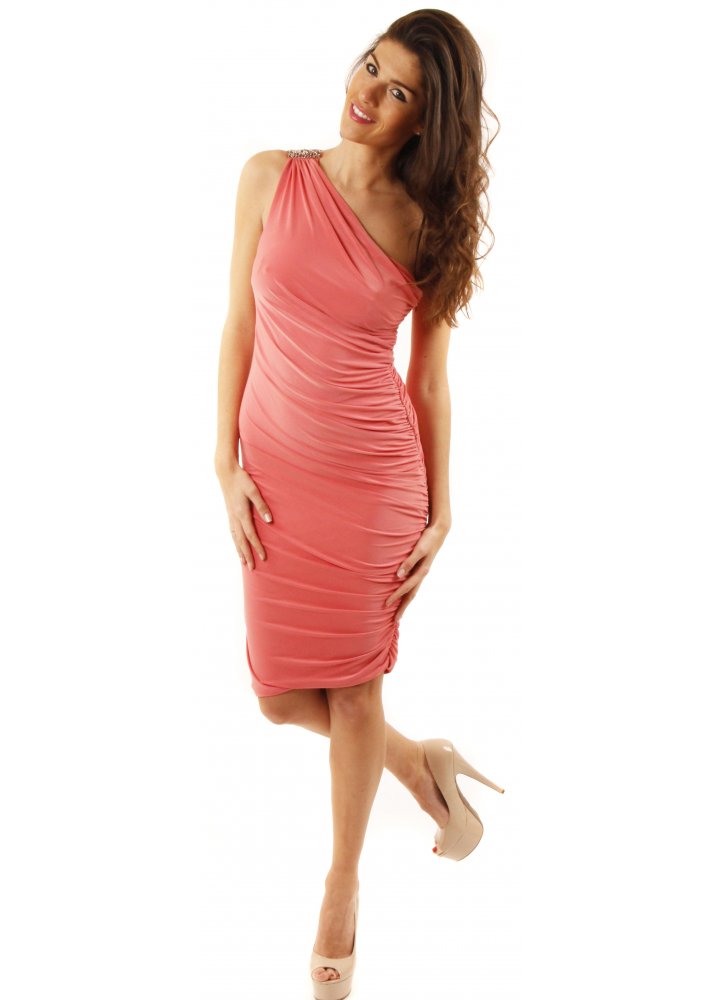
This image is a good example of how accessory choices can shift the tone of the same basic silhouette. The styling here leans toward the understated — the dress does most of the work, and the accessories remain secondary. It’s a clean, editorial approach that highlights the quality of the fabric and the cut.
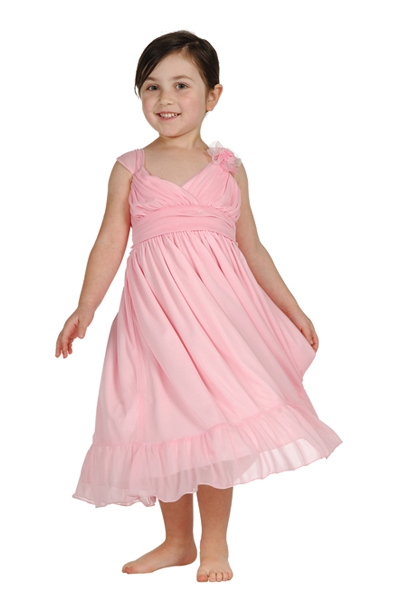
Here the silhouette takes on a slightly more dramatic quality, likely due to the volume and length of the skirt. Longer trains and fuller skirts naturally increase the formality of a gown, making this kind of look better suited to black-tie events, galas, or formal evening occasions rather than cocktail parties or garden weddings.
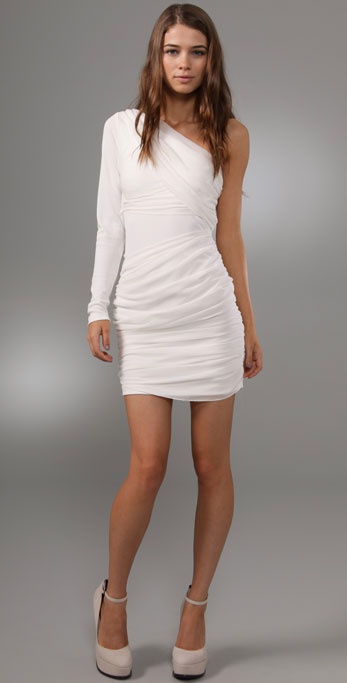
A softer, more muted pink tone in this look gives it a quieter, almost ethereal quality. Muted or dusty pinks have a tendency to photograph with a slightly vintage feel, which can be a deliberate stylistic choice. This particular shade works well with gold-toned jewelry and warm-toned footwear.
Fabric and Construction Details
The fabric choice in a goddess-style gown significantly affects how the finished look reads. Chiffon and georgette are the most common choices because they drape well and move fluidly. Satin and silk bring more structure and sheen, which can elevate the formality of the look. Jersey and crepe sit somewhere in the middle — they drape well but have more body than chiffon, which can be useful for maintaining a cleaner silhouette.
The fabric in this image appears to have a slight sheen, suggesting satin or a satin-backed crepe. This gives the gown a more polished, formal quality compared to the matte chiffon looks seen earlier in the gallery. The way the light catches the fabric adds visual interest without requiring additional embellishment.
This look features what appears to be a ruched or gathered bodice, a common construction detail in goddess-style gowns. Ruching at the waist or bust serves both an aesthetic and a practical purpose — it adds texture and visual interest while also allowing the dress to accommodate a wider range of fits. It’s a detail worth looking for when shopping for this style.
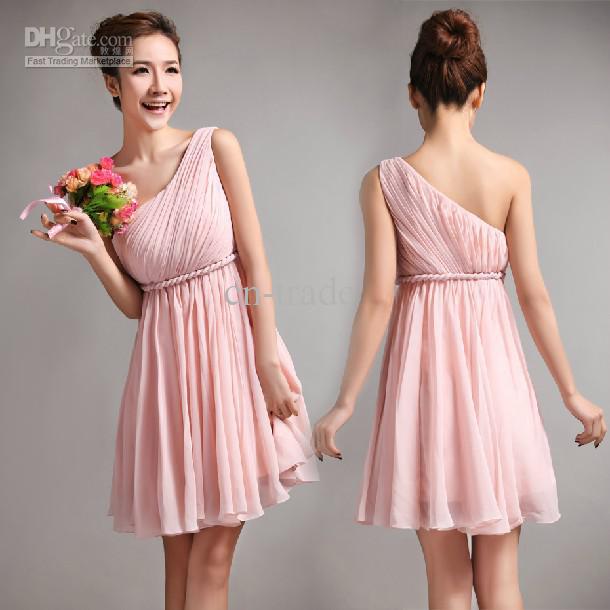
A cleaner, more minimalist take on the silhouette here. The absence of heavy embellishment keeps the focus on the color and the drape of the fabric. This kind of pared-back approach tends to age well and is often the more versatile choice if the dress is intended to be worn more than once.
Occasion and Wearability
The pink goddess dress is most commonly associated with formal occasions — weddings, proms, galas, and black-tie events. However, depending on the fabric weight and styling, it can also work for semi-formal occasions such as engagement parties, cocktail events, or outdoor evening gatherings. The key variable is usually the length and the fabric: a floor-length satin gown reads as more formal than a midi-length chiffon version in the same color.
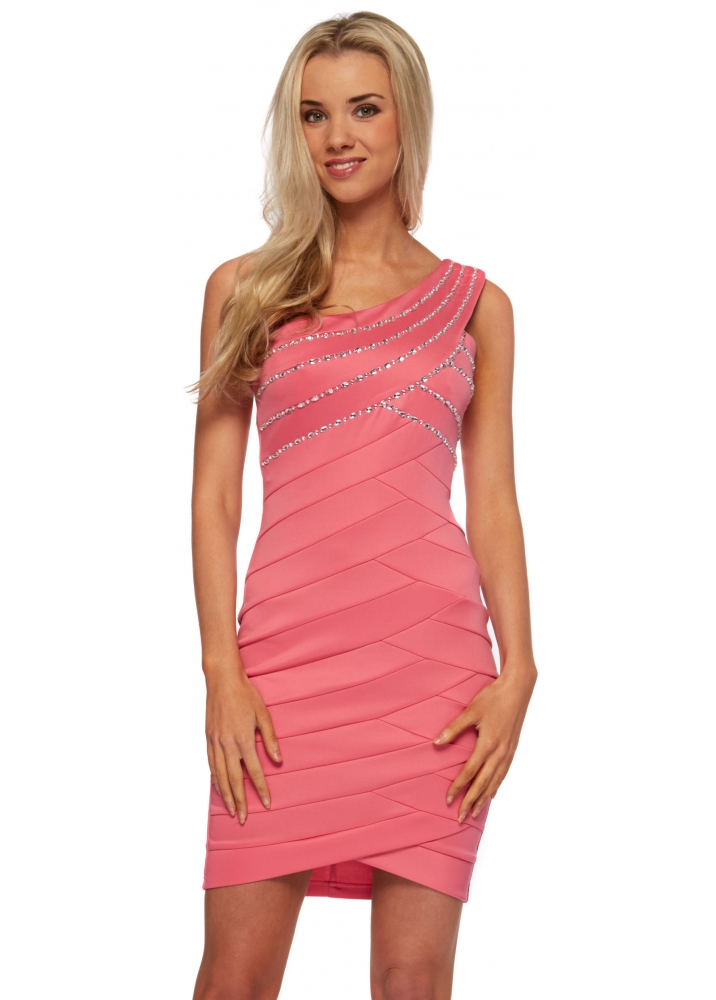
This image captures the gown in what appears to be a more editorial or event context. The full-length silhouette and the way the fabric is styled suggest a formal occasion. The overall composition reinforces how well the pink goddess dress translates to a range of formal settings without requiring significant restyling.
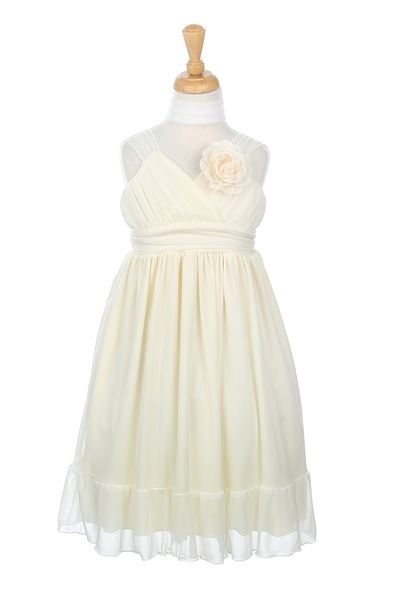
A slightly different approach to the neckline here — possibly a halter or deep V construction — which shifts the visual balance of the look upward. Neckline variations are one of the most effective ways to differentiate between goddess gown styles, and this particular cut tends to work well with statement earrings rather than a necklace.
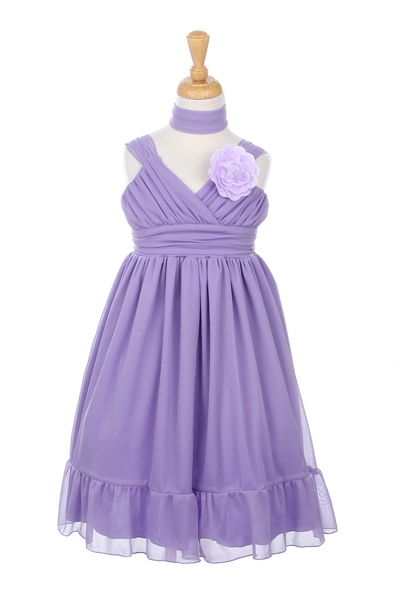
The layering of fabric visible in this look — likely multiple layers of chiffon or tulle — adds volume and movement to the skirt without making it stiff or structured. This is a useful technique for creating a more dramatic silhouette while keeping the overall feel of the gown light and fluid.
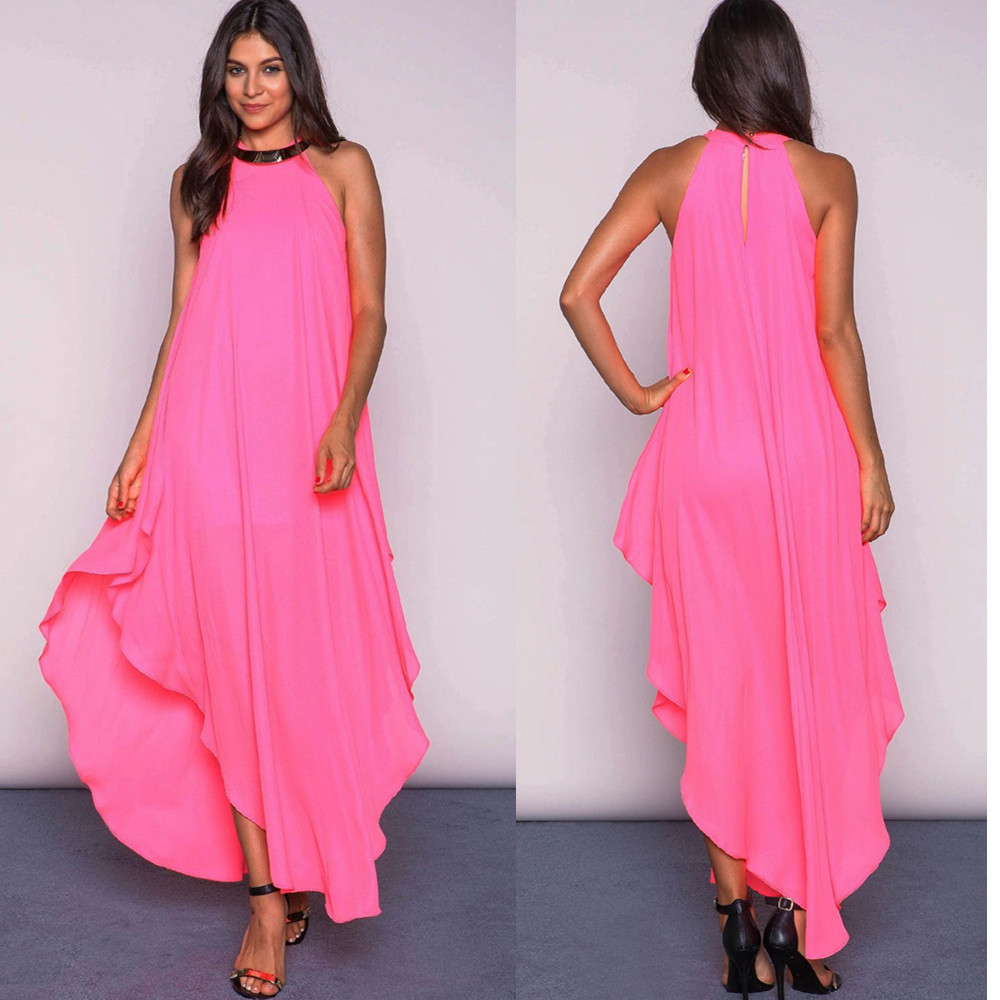
This look leans into a more romantic aesthetic, with the soft pink tone and the flowing silhouette working together to create a cohesive, polished result. It’s a strong example of how the goddess dress can feel both timeless and current without relying on trend-driven details.
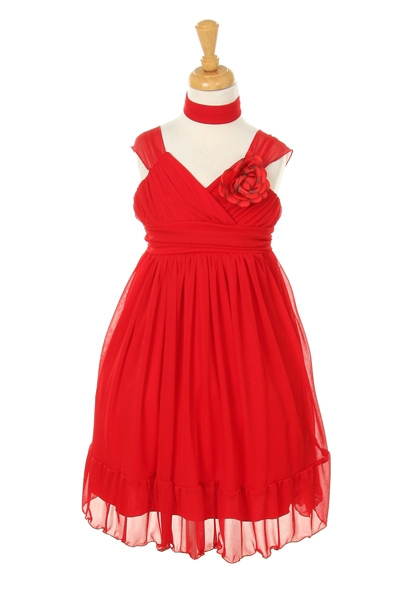
Embellishment details — whether beading, lace trim, or decorative straps — can add a layer of craftsmanship to an otherwise simple silhouette. This image appears to feature some additional detailing at the bodice, which elevates the overall formality of the look and makes it a stronger choice for high-end events.
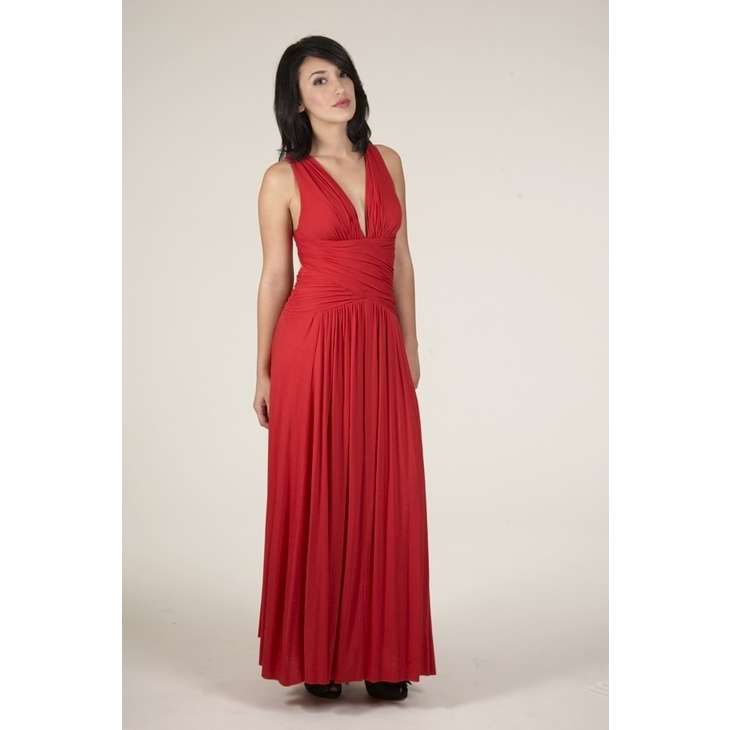
The final image in this gallery rounds out the range of styles covered here. Across all fourteen looks, the consistent thread is the combination of pink tones with a draped, floor-length silhouette — a pairing that has proven consistently appealing across different fashion seasons and contexts.
Final Thoughts
The pink goddess dress occupies a reliable space in formal fashion precisely because it balances visual impact with wearability. The silhouette is flattering across a range of body types, the color works in a variety of settings and seasons, and the overall aesthetic has enough classical grounding to avoid feeling overly trend-dependent. Whether you’re drawn to a simple, minimalist version or something with more embellishment and volume, the looks in this gallery offer a useful starting point for understanding what makes this style work — and how to approach it for your own wardrobe.